Southern Italian Braised Beef with Olives and Red Wine: The Slow Sunday Pot Where the Olives Make the Sauce

Some braises are about the meat. This one is about the olives. A proper Southern Italian braised beef with olives is the kind of slow Sunday pot where an inexpensive, hard-working cut turns meltingly tender, the sauce goes dark and glossy, and a generous handful of good Greek olives quietly does all the heavy lifting. Cook it with dull, over-salted supermarket olives and the whole pot tastes flat. Build it on naturally fermented, hand-harvested olives and a peppery extra virgin olive oil, and the sauce becomes something you mop up with bread and think about for days. Start with real Greek Kalamata olives here and you are already most of the way to a brilliant dinner.
It is also the ideal dish for this time of year. As the olive harvest comes in across the Mediterranean and the evenings draw in, a single pot that fills the kitchen with the smell of red wine, rosemary and olives is exactly what a cold November Sunday is asking for. Best of all, it is almost entirely hands-off: twenty minutes of browning and chopping, then the oven does the rest.
Why this braise works so well
The magic of a braise is time plus fat plus acid. A tougher cut like beef shin, chuck or cheek is full of connective tissue that melts into silky richness over a couple of slow hours. The red wine and tomatoes bring the acidity that keeps everything bright, and good olive oil carries the flavour — searing the beef, softening the onions, and rounding out the sauce at the end. The olives are the signature: salty, fruity little bombs that season the sauce from the inside and stop a rich beef stew from ever feeling heavy.
Because the ingredient list is short, quality is everything. There is nowhere for a cheap oil or a bitter, lye-cured olive to hide. This is a dish that rewards the good stuff.
The olives and the oil are the whole dish
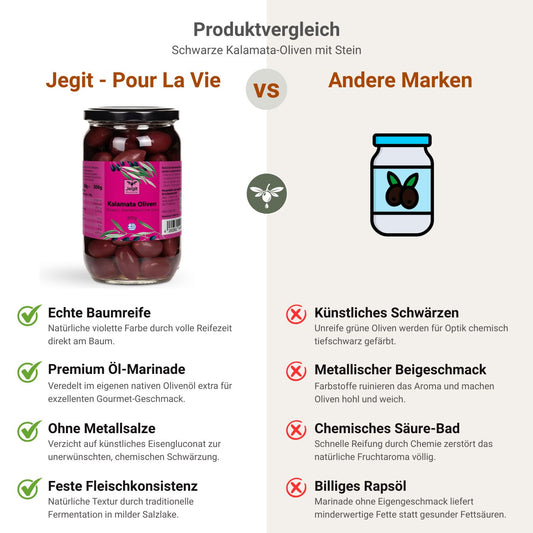
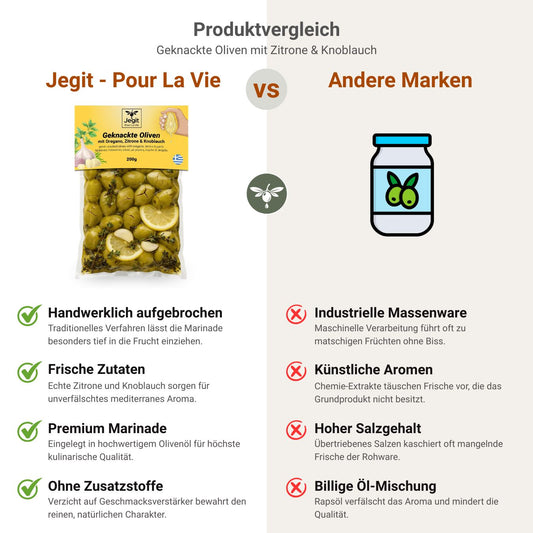
Here is the honest truth: the difference between a good braised beef and an unforgettable one is almost entirely in the olives and the oil. Our Greek Kalamata olives are naturally ripened and hand-picked, with no additives and no dyes — so they bring a deep, winey fruitiness rather than the flat, metallic tang of mass-produced olives. For a brighter, grassier note we add our Greek green Chalkidiki olives, which are naturally fermented in nothing but brine and vinegar, so they stay crisp and lively even after an hour in the pot.
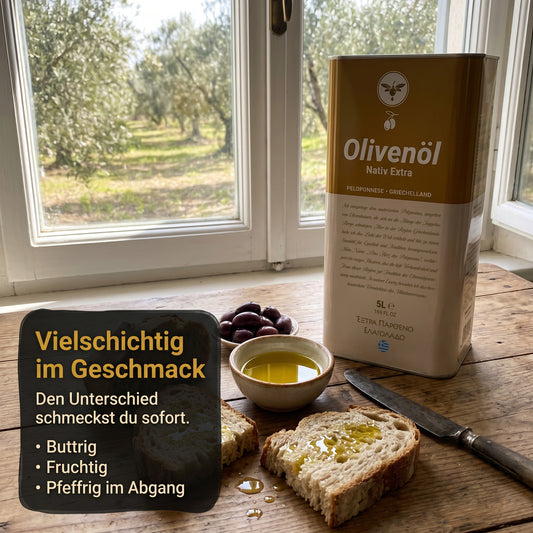
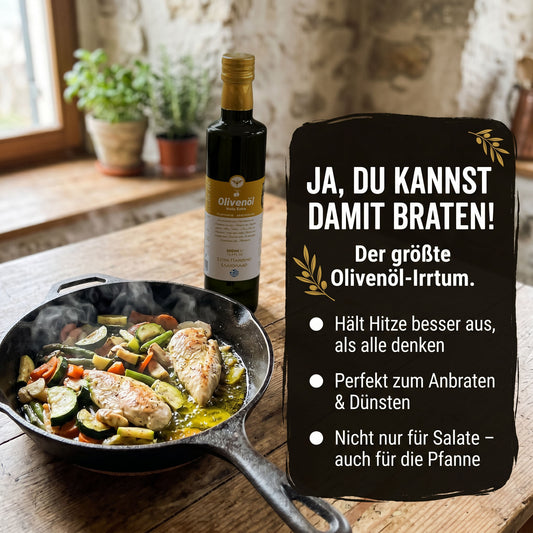
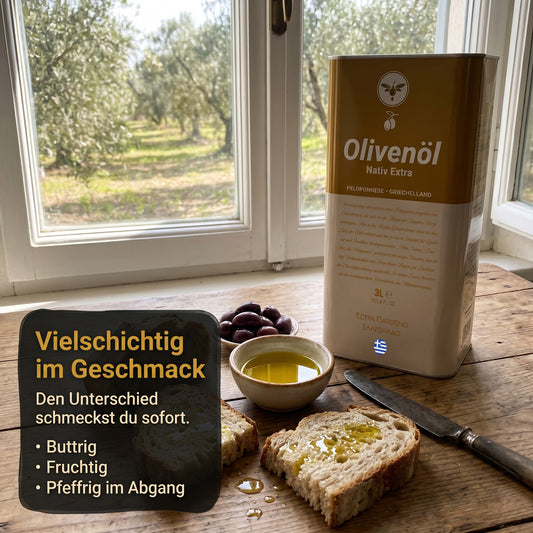
And the base of it all is the oil. Our extra virgin olive oil from the Peloponnese is hand-harvested, naturally cloudy and unfiltered, and lab-tested for low acidity and a high polyphenol content — which is exactly why it gives you that peppery, buttery backbone. It is also heat-stable up to 180°C, so it is perfect for searing the beef and building the sofrito without turning bitter. Pour La Vie — treat yourself to a bottle of real Peloponnese oil here.
Ingredients (serves 4 to 6)
- 1.2 kg beef shin, chuck or cheeks, cut into large 5 cm chunks
- 4 tbsp extra virgin olive oil from the Peloponnese, plus more to finish
- 2 onions, finely chopped
- 3 cloves garlic, sliced
- 2 carrots and 1 celery stick, diced
- 1 tbsp tomato purée
- 250 ml robust red wine
- 1 x 400 g tin chopped tomatoes
- 300 ml beef stock
- 2 sprigs rosemary and 2 bay leaves
- 150 g Greek Kalamata olives, pitted
- 100 g Greek green olives, pitted
- Strip of orange zest (optional, but lovely)
- Sea salt and freshly ground black pepper
That short list is the point: with the right olives and oil, you do not need much else. Grab the oil that does the heavy lifting here.
How to make braised beef with olives
- Brown the beef. Pat the chunks dry and season well. Heat 2 tbsp olive oil in a heavy casserole over a high heat and sear the beef in batches until deeply browned on all sides. Do not crowd the pan. Set the beef aside.
- Build the base. Lower the heat, add another 2 tbsp olive oil, then the onions, carrots and celery. Cook gently for 8 to 10 minutes until soft and sweet. Stir in the garlic and tomato purée and cook for another minute.
- Deglaze. Pour in the red wine, scraping up all the browned bits from the bottom of the pot. Let it bubble for 2 to 3 minutes to cook off the raw alcohol.
- Slow-braise. Return the beef and any juices, add the chopped tomatoes, stock, rosemary, bay and orange zest. Bring to a gentle simmer, cover, and transfer to a 150°C oven for 2.5 to 3 hours, until the beef is fork-tender.
- Add the olives. Stir in the Kalamata and green olives for the final 30 minutes so they warm through and release their flavour into the sauce without turning mushy.
- Finish. Taste and adjust the seasoning (the olives are salty, so go easy). Rest for 10 minutes, then finish each bowl with a raw drizzle of extra virgin olive oil for that final peppery lift.
Tips, swaps and what to serve with it
Serve it the Italian way, with soft polenta, mashed potato or simply a mountain of crusty bread to catch the sauce. A sharp green salad cuts through the richness beautifully. If you love beef and olive oil together, our Greek beef youvetsi with orzo is the next pot to try, and for a quick festive nibble to start the meal, these warm marinated olives with orange and rosemary are unbeatable. New to Greek olives and not sure which to buy? Our guide to what Kalamata olives are and how to use them will sort you out in two minutes.
Make it ahead: like most braises, this tastes even better the next day, once the flavours have settled. It also freezes beautifully. Ready to cook the version that actually tastes of the Mediterranean? Order your Greek Kalamata olives now.
Our product tip
Greek Kalamata Olives with Pit
Naturally ripened and hand-picked, with no additives or dyes — the deep, fruity olive that makes this sauce unforgettable.
Shop Kalamata olivesFrequently asked questions
What is the best cut of beef for braising with olives? Go for a well-worked, collagen-rich cut: beef shin, chuck or cheek. These turn meltingly tender over a slow braise, where a lean steak cut would just dry out. Buy it in big chunks so it keeps its texture.
Can I use both green and black olives? Absolutely, and it is better for it. The deep, winey Kalamata olives add richness while the crisp green Chalkidiki olives keep the sauce fresh. Always add them towards the end so they stay plump.
Do I really need good olive oil if I am browning the meat in it? Yes — because you are not only searing with it, you are building the sauce and finishing the dish with it. A lab-tested, naturally unfiltered oil like our Peloponnese extra virgin stays stable when hot and adds a peppery, buttery depth a cheap refined oil simply cannot.
This is comfort food with a Mediterranean soul — hearty, generous and built entirely on a few honest ingredients. Make it once with real Greek olives and a proper peppery oil, and you will understand why the olives, not the beef, get top billing. Taste the difference for yourself — Pour La Vie.

Sticky Honey-Garlic Chicken Thighs: The 35-Minute Weeknight Dinner Where the Thyme Honey Makes the Glaze
Sticky honey-garlic chicken thighs in 35 minutes. Learn why Greek thyme honey and real extra virgin olive oil turn this easy glaze...

Imam Bayıldı: Turkish Stuffed Aubergines Slow-Braised in Olive Oil (Where the Oil Is the Whole Dish)
Imam bayıldı — Turkish aubergines slow-braised in extra virgin olive oil with onion, garlic and tomato. The vegetarian classic where the oil...

Alsatian Tarte Flambée with Goat's Cheese, Caramelised Onion and Thyme Honey: The Sweet-Savoury Flammkuchen Everyone's Making Right Now
A crisp Alsatian tarte flambée with goat's cheese, caramelised red onion and a golden thyme-honey drizzle. The 30-minute sweet-savoury flammkuchen that tastes...