Greek Beef Youvetsi: The Slow-Baked Orzo Main Course Where the Olive Oil Carries the Whole Dish

Few dishes fill a kitchen with promise the way Greek beef youvetsi (giouvetsi) does. Picture fork-tender beef that has braised for hours, plump orzo that has soaked up a glossy, cinnamon-warmed tomato sauce, and a golden sheen pooling on top. This is a true Greek main course — the Sunday centrepiece that Greek families have baked in clay pots for generations. And here is the honest truth most recipes leave out: the difference between a flat, forgettable youvetsi and one your guests talk about for weeks is the olive oil you build it on. Start with a genuine extra virgin olive oil from the Peloponnese and every layer of this dish wakes up.
Why youvetsi is the Greek main course you have been missing
If you have been searching for Greek main dishes lately, you are in good company — “griechische Rezepte Hauptspeisen” is one of the fastest-rising searches of the season, and youvetsi is exactly why. It is everything a cold-weather dinner should be: deeply savoury, a little sweet from slow-cooked tomato, and comforting without being heavy. Unlike a quick weeknight pasta, youvetsi rewards patience. The beef turns silky in the oven, the orzo (Greeks call it kritharaki) cooks right in the sauce so it carries all that flavour, and the whole thing arrives at the table in one dish. No fuss, no sides required — just warm bread and, perhaps, a glass of red.
It is also forgiving. You do not need an expensive cut; shin, chuck or shoulder all become meltingly tender given time. What you do need is a sauce with real backbone, and that starts in the pan long before the oven does its work.
The secret is the olive oil — here is why it matters
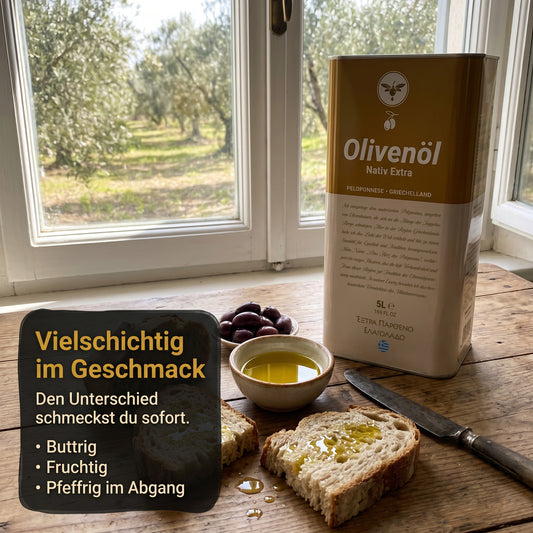
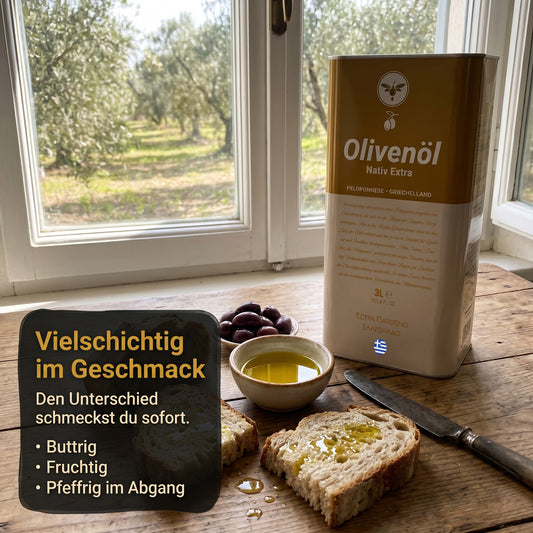
Youvetsi begins by searing beef and softening onions in olive oil, and ends with a final drizzle before serving. That means your oil is tasted twice: once cooked into the foundation, once raw on top. Use a bland supermarket oil and the sauce tastes thin and one-note. Use our Peloponnese extra virgin olive oil and you get a peppery, buttery depth that lifts the tomato and beef into something far richer.
There is a practical reason, too. Our olive oil is hand-harvested, naturally cloudy and unfiltered, and heat-stable up to 180°C without forming trans fats — so it holds its character through the searing stage instead of breaking down. It is lab-tested for low acidity, rich in polyphenols, and certified free from mineral-oil residues. In other words, it is built to cook with and good enough to finish with. That is rare, and it is exactly what a dish like this needs.
Secure your Peloponnese olive oil now
Ingredients (serves 4–6)
For the beef and sauce:
- 800 g beef shin, chuck or shoulder, cut into 4–5 cm pieces
- 5 tbsp extra virgin olive oil from the Peloponnese
- 2 onions, finely chopped
- 3 garlic cloves, sliced
- 1 tbsp tomato purée
- 400 g tinned chopped tomatoes
- 250 ml dry red wine (optional)
- 1 cinnamon stick and 1 bay leaf
- 1 tsp dried oregano, plus a pinch of sugar
- 600 ml hot beef or vegetable stock
- Sea salt and freshly ground black pepper
To finish:
- 300 g orzo (kritharaki)
- A generous final drizzle of olive oil
- Grated hard cheese such as kefalotyri or parmesan, and fresh oregano
Only the olive oil here is a Jegit product — and it is the one ingredient you should not compromise on. Grab a bottle here before you start.
How to make Greek beef youvetsi
- Brown the beef. Heat 3 tbsp of the olive oil in a large ovenproof pot over a medium-high heat. Pat the beef dry, season well, and sear in batches until deeply browned on all sides. Set aside.
- Build the base. Lower the heat, add the remaining 2 tbsp olive oil and the onions, and cook gently for 6–8 minutes until soft and golden. Stir in the garlic and tomato purée and cook for another minute until fragrant.
- Deglaze. Pour in the red wine (if using) and scrape up the browned bits from the bottom of the pot — that is pure flavour. Let it bubble for two minutes.
- Simmer. Return the beef, then add the chopped tomatoes, cinnamon, bay, oregano, sugar and stock. Season, bring to a gentle simmer, cover, and transfer to an oven preheated to 170°C. Braise for about 1 hour 30 minutes, until the beef is nearly tender.
- Add the orzo. Stir in the orzo with an extra splash of hot stock or water if the sauce looks tight — the pasta needs liquid to cook. Return to the oven, uncovered, for 20–25 minutes, stirring once, until the orzo is tender and has drunk up the sauce.
- Rest and finish. Remove the cinnamon stick and bay leaf. Let it sit for five minutes, then finish with a bold drizzle of olive oil, a shower of grated cheese and fresh oregano. Serve straight from the pot.
Tips and variations
Short on time? A pressure cooker brings the beef to tender in about 35 minutes before you add the orzo. Prefer lamb? Shoulder works beautifully and is very traditional. Want it even richer? A handful of grated fresh tomato at the end and an extra drizzle of oil never hurt. The one constant, whichever way you go, is a good olive oil doing the heavy lifting.
What to serve alongside
Youvetsi is a meal in itself, but a few simple partners make it feel like a feast: a crisp Greek salad dressed with — what else — good olive oil and red-wine vinegar, warm crusty bread for mopping the sauce, and a bowl of olives to start. Keep everything else deliberately plain so the slow-baked beef and orzo stay centre stage.
Taste the difference — shop the olive oil
Frequently asked questions
What is youvetsi, exactly?
Youvetsi (giouvetsi) is a classic Greek baked dish of meat and orzo pasta cooked together in a tomato sauce, traditionally in an earthenware pot of the same name. It is most often made with beef or lamb and served as a hearty main course.
Can I use a different pasta instead of orzo?
Orzo is traditional and cooks perfectly in the sauce, but small shapes like ditalini, or even broken tagliatelle, will work. Keep an eye on the liquid — you may need a little more stock so the pasta cooks through without the sauce drying out.
Which olive oil is best for youvetsi?
One that can take the heat of searing and still taste wonderful raw on top. Our hand-harvested Peloponnese extra virgin olive oil is heat-stable to 180°C, low in acidity and full of peppery flavour — ideal for both cooking the base and finishing the dish.
Our product tip
Extra Virgin Olive Oil 500 ml from the Peloponnese
Hand-harvested, naturally cloudy and unfiltered, lab-tested for low acidity and rich in polyphenols — the peppery, buttery heart of this dish.
Taste the difference — shop nowGreek cooking has never been about complication. It is about a handful of honest ingredients treated with respect — and olive oil at the very heart of it. Make this youvetsi once with a real Peloponnese oil and you will understand why Greeks never let the bottle run dry. Bring a bottle home and cook Pour La Vie.

Danish Honey-Mustard Chicken Traybake (Honningssennep): The 45-Minute Nordic Dinner Where the Thyme Honey Makes the Glaze
A Danish honey-mustard chicken traybake ready in 45 minutes - juicy thighs, roasted roots and a sticky glaze made with raw Greek...

Warm Marinated Olives with Orange, Garlic & Rosemary: The 10-Minute Festive Appetiser Everyone Reaches For
Warm Greek olives in peppery, hand-harvested Peloponnese olive oil with orange, garlic and rosemary — the easy 10-minute festive appetiser everyone loves.

Sticky Thyme Honey–Glazed Christmas Ham (Gammon): The Festive Centrepiece Where the Honey Makes the Glaze
A sticky thyme honey–glazed Christmas ham with orange and cloves — the festive centrepiece where real Greek thyme honey makes the glaze...