Chicken Cacciatore (Pollo alla Cacciatora): The Rustic Italian Braise Where the Olives Make the Sauce

Some dishes are only as good as their cupboard. Chicken cacciatore, the Italian "hunter's chicken", is exactly that kind of dish: a handful of humble ingredients, slow-braised until the kitchen smells like a trattoria in the hills above Florence. And the two things that decide whether it tastes flat or unforgettable are the ones most people buy on autopilot. The olives. And the olive oil. Get those right and you will not need a recipe twice. Start with our Greek green olives here and the sauce almost makes itself.
Below is the version we cook at home: forty minutes of mostly hands-off braising, one pan, and a sauce so good you will be mopping the plate with bread. We will also show you exactly where the quality of your pantry shows up, so you never waste a good chicken on a thin, lifeless sauce again.
What Is Chicken Cacciatore?
"Alla cacciatora" means "hunter-style": the kind of rustic, one-pot cooking that uses what is to hand: chicken, tomatoes, onion, garlic, herbs, a splash of wine, and olives. There is no single official recipe; every Italian region has its own. What they share is a slow braise that turns a few cheap cuts into something deeply savoury, glossy and rich.
The olives are not a garnish here. As they braise, they release their briny, fruity character into the sauce and season it from the inside out. That is why the quality matters so much: dull, over-pasteurised supermarket olives give you a dull sauce. Firm, naturally fermented Greek olives give you depth. It is the single biggest upgrade you can make to this dish.
Why the Olives and the Oil Decide Everything
Here is the honest truth about cacciatore: the recipe is forgiving, but the ingredients are not. A braise concentrates flavour. Whatever you put in gets amplified over forty minutes in the pan, for better or worse.
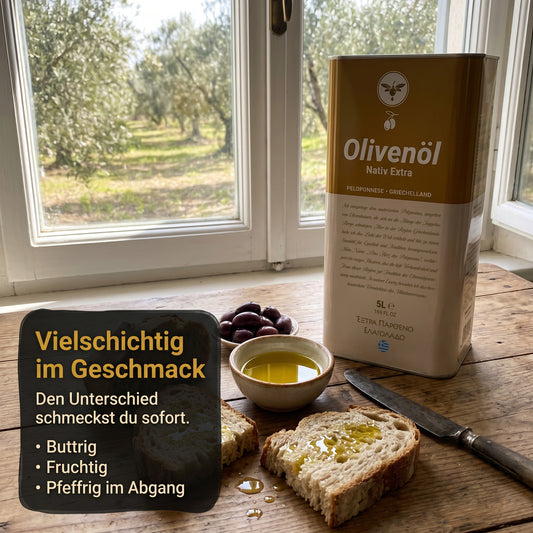
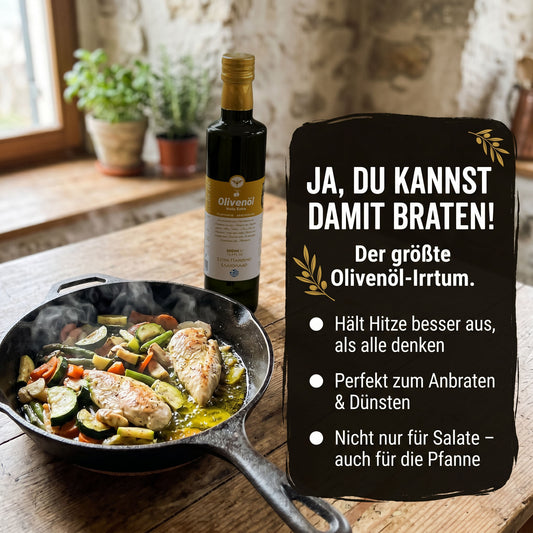
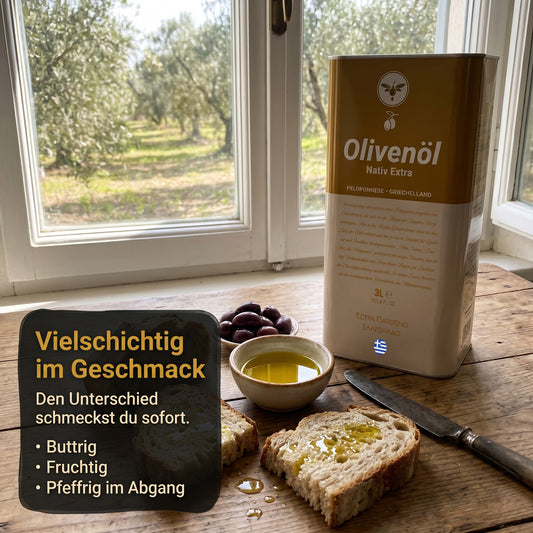
Start with the oil. You brown the chicken in it and build the whole base on it, so it has to be an olive oil that can take the heat and still taste of something. Our extra virgin olive oil from the Peloponnese is hand-harvested, naturally cloudy and unfiltered, lab-tested for low acidity and a high polyphenol content, and heat-stable up to 180°C without forming trans fats. That peppery, buttery backbone is what a cheap refined oil simply cannot give you, and in a sauce this simple, you taste the difference in every spoonful. Cook with the real thing here.
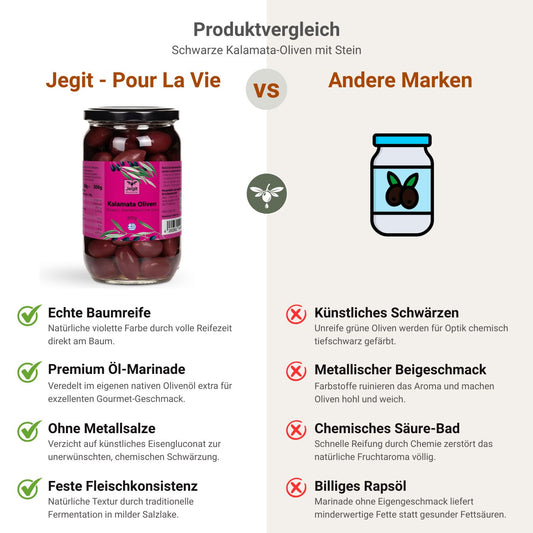
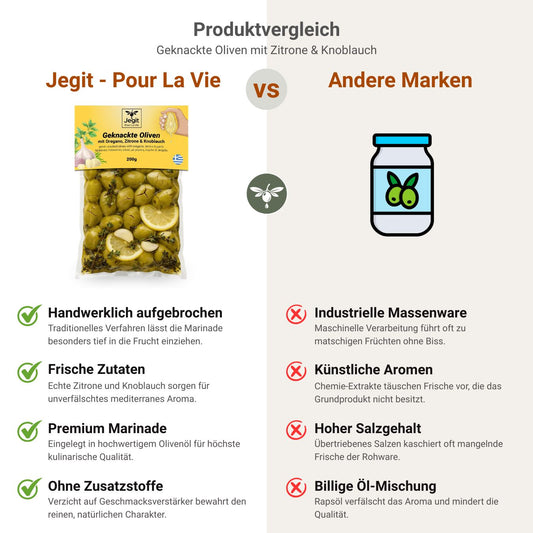
Then the olives. We use firm, natural Greek green Chalkidiki olives, fermented only in brine and vinegar, with no artificial additives or dyes, because they hold their shape through the braise and keep a clean, fruity bite. A tin of soft, grey-black "pizza olives" will dissolve into mush and taste of nothing. If you prefer a darker, richer sauce, our black Kalamata olives work beautifully too.
Ingredients (Serves 4)
- 8 bone-in, skin-on chicken thighs (or a mix of thighs and drumsticks)
- 3 tbsp extra virgin olive oil from the Peloponnese
- 1 large onion, sliced
- 3 garlic cloves, finely chopped
- 1 red pepper, sliced (optional, for sweetness)
- 150 ml dry red or white wine
- 1 x 400 g tin chopped tomatoes
- 2 tbsp tomato purée
- 120 g Greek green olives, whole or pitted
- 2 sprigs rosemary, 2 bay leaves, a pinch of dried oregano
- Sea salt and freshly ground black pepper
- A handful of fresh parsley or basil, to finish
How to Make It (Step by Step)
- Brown the chicken. Season the thighs well. Heat the olive oil in a large, deep pan over medium-high heat and brown the chicken skin-side down for 5 to 6 minutes until deeply golden. Turn, give it another 3 minutes, then lift out and set aside. This step builds the flavour. Do not rush it.
- Soften the base. Lower the heat. In the same pan, with all those browned bits, cook the onion and pepper for 6 to 7 minutes until soft and sweet. Add the garlic, rosemary, bay and oregano and cook for one more minute until fragrant.
- Deglaze. Pour in the wine and scrape the bottom of the pan to lift every bit of flavour. Let it bubble and reduce by half, about 2 to 3 minutes.
- Build the sauce. Stir in the chopped tomatoes and tomato purée. Nestle the chicken back in, skin just above the sauce, and bring to a gentle simmer.
- Braise. Cover and simmer gently for 30 minutes. Add the green olives for the final 15 minutes so they warm through and release their brine into the sauce without turning soft.
- Finish. Taste and adjust the salt (the olives already bring saltiness). Scatter with parsley or basil and give everything a final drizzle of raw extra virgin olive oil: this last cold hit of fruity, peppery oil is what lifts the whole plate. Serve with crusty bread, polenta or mashed potato.
That raw drizzle at the end is not optional in our kitchen. A braise mellows olive oil; a final spoonful of the good, unheated stuff brings back all its brightness. This is the oil we reach for.
Tips for the Best Cacciatore
- Use bone-in, skin-on chicken. It stays juicy through the braise and the bones enrich the sauce. Breast meat dries out.
- Do not drown it. Cacciatore is a braise, not a soup. The sauce should cling, not flood. If it is too thin at the end, simmer uncovered for a few minutes.
- Add the olives late. Fifteen minutes is enough to season the sauce while keeping their texture.
- Make it ahead. Like most braises, it tastes even better the next day once the flavours settle.
If you love this style of rustic, olive-rich braising, try our Tunisian braised chicken with olives next, or go beefy with our Southern Italian braised beef with olives and red wine. And if you want to understand the olives themselves, our guide to what Kalamata olives are and how to use them is a good place to start.
Our product tip
Greek Green Olives with Pit
Firm, naturally fermented Chalkidiki olives in brine and vinegar only, no additives or dyes: they hold their bite through the braise and season the whole sauce.
Buy Greek olives nowFrequently Asked Questions
What olives are best for chicken cacciatore?
Firm, naturally cured olives that hold their shape. Green Chalkidiki olives give a clean, fruity bite; black Kalamata olives give a darker, richer sauce. Avoid soft, pre-sliced "salad" olives, which fall apart and taste washed-out. Our Greek green olives and Kalamata olives are both ideal.
Red wine or white wine for cacciatore?
Both are traditional. White wine keeps the sauce lighter and brighter; red wine makes it deeper and more robust. If you are serving it in winter with mash or polenta, red is lovely. Either way, deglaze properly so the alcohol cooks off.
Can I use regular olive oil instead of extra virgin?
You can, but you will taste the compromise. In a simple braise, the oil is a lead flavour, not a background one. A real extra virgin oil like our Peloponnese oil, heat-stable to 180°C, rich in polyphenols, gives the sauce a peppery, buttery depth that refined oil cannot. Use it to brown the chicken and again, raw, at the end.
The hunter's secret was never a secret: good oil, good olives, a little patience. Build your cacciatore on our hand-harvested Peloponnese olive oil and natural Greek olives, and a cheap midweek chicken turns into something you will cook again and again. Taste the difference: shop our olive oil and olives, Pour La Vie.

Baked Camembert with Thyme Honey: The 10-Minute Festive Centrepiece Everyone Crowds Around
Molten baked camembert drizzled with Greek thyme honey: a 10-minute festive sharing dish where the honey, not the cheese, steals the show.

Patatas Bravas: The Crispy Spanish Tapas Classic Where the Olive Oil Makes or Breaks It
Crispy Spanish patatas bravas with a smoky brava sauce and quick aioli. The real secret is the olive oil, so here is...

Greek Moussaka: The Classic Layered Aubergine and Lamb Bake (Authentic Recipe)
Authentic Greek moussaka: silky roasted aubergine, spiced lamb and golden béchamel. The full method, and why good olive oil is the secret...