Thyme Honey–Glazed Duck Breast with Rosemary: The 40-Minute Festive Dinner

Some autumn dinners are about comfort. This one is about occasion. Crisp-skinned duck breast, carved into glistening pink slices and lacquered in a sticky, herb-flecked thyme honey glaze, is the kind of plate that makes an ordinary Sunday feel like something worth dressing up for — and it comes together in under 40 minutes. The secret isn't a long ingredient list or a professional kitchen. It's the honey. And not just any honey: a raw, intensely aromatic Greek thyme honey that turns a simple pan glaze into the best thing on the table. Reach for a jar of Jegit's Greek Thyme Honey here and you'll taste the difference before the duck even hits the plate.
Why this duck breast is all about the honey
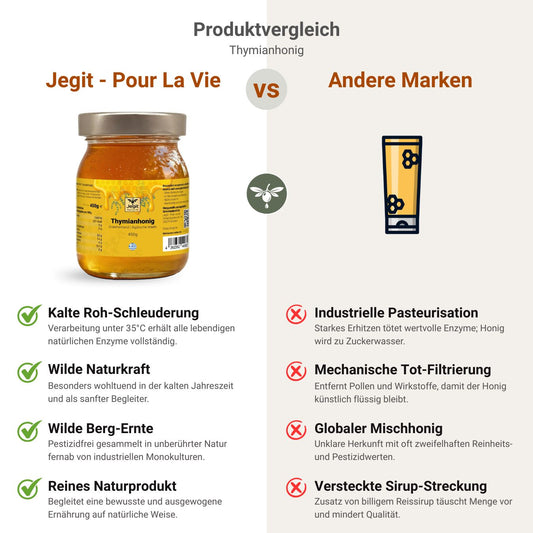
Duck has a rich, almost gamey depth that begs for a counterpoint — something sweet, floral and a little savoury all at once. That is exactly where thyme honey earns its keep. Where a cheap, over-processed supermarket honey tastes flatly sweet and caramelises into nothing more than sugar, our Greek Thyme Honey carries a genuine herbal, peppery-floral character from wild Mediterranean thyme fields. It is naturally raw and unheated, gently hand-spun and left unadulterated, so it stays rich in natural enzymes and keeps that captivating aroma intact. Spoon it over sizzling duck and it doesn't just sweeten — it builds a glossy, fragrant glaze with real backbone.
Put plainly: with an ordinary honey this dish is pleasant. With a proper thyme honey, it is unforgettable. If you only upgrade one ingredient in your kitchen this season, make it this one — secure a jar of Jegit Thyme Honey now and taste Pour La Vie.
Ingredients (serves 2)
Everything here is a pantry staple except the two that do the heavy lifting — the honey and the oil. Both are linked so you can stock up in a click.
- 2 duck breasts (about 180–200 g each), skin on
- 2 tbsp Jegit Greek Thyme Honey — the heart of the glaze
- 1 tbsp Jegit Extra Virgin Olive Oil from the Peloponnese, for the pan and potatoes
- 2 sprigs fresh rosemary, leaves finely chopped
- 2 cloves garlic, lightly crushed
- 1 tbsp red wine vinegar (or sherry vinegar)
- 1 tsp Dijon mustard
- Sea salt and freshly ground black pepper
- To serve: roasted baby potatoes and a handful of seasonal greens
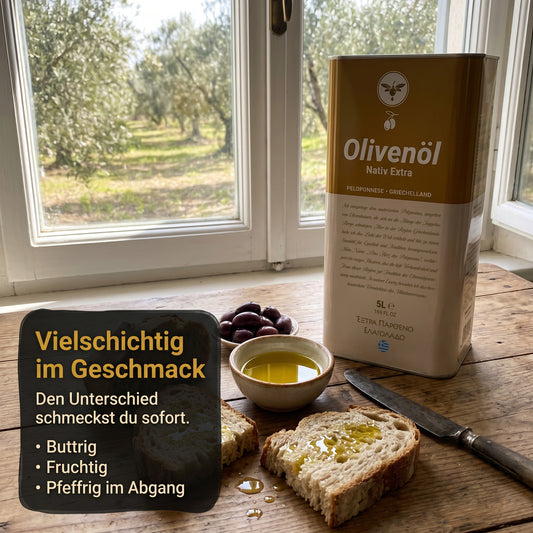
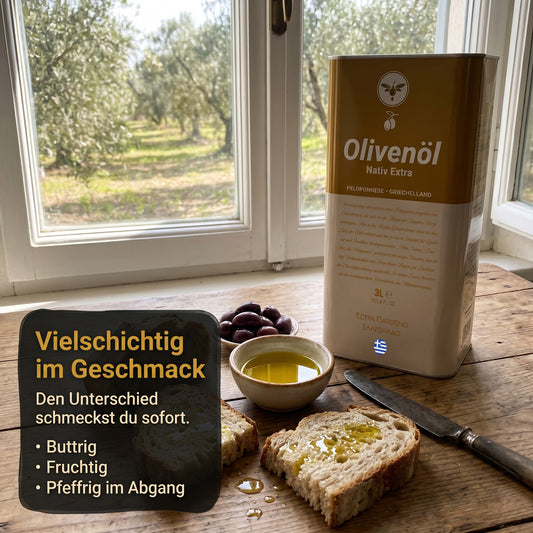
A quick word on the oil: our Peloponnese Extra Virgin Olive Oil is hand-harvested, naturally cloudy and unfiltered, lab-tested for low acidity and rich in polyphenols — and because it stays stable up to 180°C, it's ideal for crisping potatoes without turning bitter. Grab a bottle here while you're at it.
Method
- Score and season the duck. Pat the breasts bone-dry. With a sharp knife, score the skin in a criss-cross pattern, cutting through the fat but not the flesh. Season generously with salt and pepper on both sides. Dry skin is crisp skin, so don't skip the patting.
- Start cold, render slow. Place the duck skin-side down in a cold, dry frying pan, then turn the heat to medium. Letting the fat render slowly for 7–9 minutes is what gives you that shatteringly crisp, golden skin. Tip off the rendered fat into a cup as it collects (keep it — it makes extraordinary roast potatoes).
- Flip and finish. Once the skin is deep gold and crisp, flip the breasts, add the crushed garlic, and cook for another 3–4 minutes for blushing pink in the middle. Lift the duck onto a board to rest.
- Build the glaze. Pour off most of the fat, leaving about a teaspoon. Over medium heat, add the vinegar and let it bubble for 20 seconds, then stir in the mustard, the chopped rosemary and — the moment that makes the dish — 2 tablespoons of Jegit Thyme Honey. Swirl for about a minute until the glaze turns glossy and syrupy and smells unmistakably of thyme.
- Glaze and carve. Return the rested duck to the pan, spoon the warm glaze over the top, and turn to coat. Carve into thick slices on the diagonal and pour every last drop of glaze over the top.
- Serve. Pile alongside olive-oil-roasted potatoes and greens, and finish the whole plate with a final drizzle of glaze and a little extra honey if you like it sticky.
Tips for the best thyme-honey glaze
Keep the heat moderate when you add the honey — too hot and the sugars scorch instead of turning into that lacquered shine. Because our raw thyme honey is so aromatic, you need less of it than you'd expect; two tablespoons glazes two breasts beautifully. And always rest the duck for at least five minutes before carving so the juices settle. Craving that glossy, herb-and-honey finish right now? Order your jar of Jegit Greek Thyme Honey here.
What makes Jegit's thyme honey worth it
There's a reason chefs guard their good honey. Most honey on a supermarket shelf has been heated and ultra-filtered for a clear, shelf-stable look, a process that strips out much of the aroma and the natural enzymes along with it. Our Greek Thyme Honey takes the opposite path. The nectar is gathered from wild, blooming thyme fields and gently hand-spun entirely without heat, then carefully filtered and jarred straight away. What reaches you is a raw, unadulterated honey that is exceptionally rich in natural enzymes and carries a strong, captivating Mediterranean aroma — the floral, herbaceous, faintly peppery character that makes the glaze on this duck sing. It's the same honey you'll want drizzled over goat's cheese, stirred into Greek yoghurt, or whisked into a dressing. One jar quietly upgrades a dozen dishes. Add Jegit Thyme Honey to your basket and keep it close to the hob.
Make it a celebration
This duck is dressed-up enough for a dinner party yet simple enough for two on a Friday night. Round it out with crushed olive-oil potatoes, roasted carrots or a sharp, leafy salad to cut the richness, and pour something with a little body alongside. For a true Mediterranean table, start with a few olives and warm bread drizzled in extra virgin olive oil before the duck arrives. It all leads back to the same glossy, thyme-scented glaze — so make sure the honey is in the cupboard before your guests arrive.
Frequently asked questions
Can I use a different honey?
You can, but you'll lose what makes this dish special. The floral, herbaceous, slightly peppery notes of a genuine Greek thyme honey are what balance the richness of duck. A bland, blended honey simply tastes of sugar once it's warmed. For the real thing, our naturally raw Thyme Honey from Greece is the one to reach for.
How do I know when the duck is cooked?
Duck breast is best served medium — rosy pink in the centre. If you have a thermometer, aim for around 54–57°C before resting; it will climb a couple of degrees as it rests. If you prefer it more well done, give it an extra couple of minutes flesh-side down.
What should I serve it with?
Olive-oil-roasted potatoes are the classic partner, but the honey glaze is also wonderful with roasted root vegetables, a bitter-leaf salad, or buttered greens. A spoonful of extra thyme honey whisked into the salad dressing ties the whole plate together.
Our product tip
Greek Thyme Honey 450g from Jegit
Raw, unheated and rich in natural enzymes, with the intense wild-thyme aroma that turns this glaze from good to unforgettable.
Shop Thyme Honey nowThe difference is in the honey
A festive duck breast doesn't need a fussy recipe — it needs one ingredient doing its job brilliantly. Here, that's a jar of real Greek thyme honey: pure, raw and alive with the aroma of sun-baked Mediterranean hillsides. Make this dish once with a proper thyme honey and you'll never reach for the squeezy bottle again. Bring home a jar of Jegit Greek Thyme Honey and set a table worth remembering. Pour La Vie.

Creamy Pumpkin and Feta Pasta: The Autumn Dinner Where the Olive Oil Does the Work
Creamy pumpkin and feta pasta in 30 minutes — no cream needed. The silky sauce comes from real extra virgin olive oil....

Tunisian-Style Braised Chicken with Olives and Olive Oil: A One-Pan Autumn Dinner
A fragrant Tunisian-style one-pan braised chicken with green olives, peppers and extra virgin olive oil — good oil is what makes it...

Roasted Pumpkin with Feta and Thyme Honey: The Sweet-Savoury Autumn Traybake Everyone's Making Right Now
Caramelised pumpkin, melting feta and golden Greek thyme honey — the sweet-savoury autumn traybake everyone's making right now. Ready in 45 minutes.