Sicilian Caponata: The Sweet-and-Sour Aubergine Classic Where the Olives and Olive Oil Carry Every Bite

Caponata is Sicily on a plate: glossy cubes of aubergine in a sweet-and-sour tomato sauce, studded with green olives and capers, bright with vinegar and mellow with good olive oil. It is served at room temperature as an antipasto, a side or a light meal with crusty bread, and it is one of those rare dishes that tastes even better the next day. Here is the thing most recipes gloss over though: caponata lives or dies by two ingredients, the olives and the oil. Use tired, bland olives and a flat oil, and you get stewed vegetables. Use plump, properly cured Greek green olives and a fruity extra virgin olive oil, and you get the real, savoury, crave-it caponata. Start with a jar of good green olives, and you are already most of the way there.
What is caponata?
Caponata (caponata siciliana) is a classic Sicilian aubergine dish built on the island's beloved agrodolce, the sweet-and-sour balance of vinegar and a little sugar. Fried aubergine is folded through a tomato base with celery, green olives and capers, then sharpened with vinegar and rounded with sugar until the whole thing hums. It is completely vegetarian, naturally vegan, and traditionally eaten cool or at room temperature, which makes it a brilliant make-ahead dish for a crowd. No nuts, no seeds, just honest Mediterranean vegetables and two storecupboard heroes doing the real work.
Why the olives and the oil are the whole dish
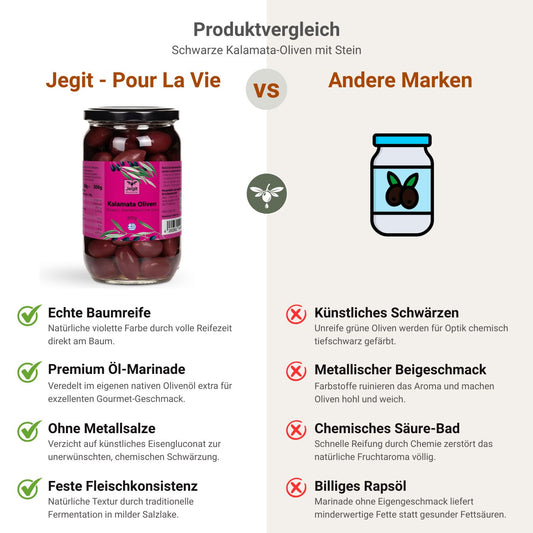
In a caponata, the vegetables are the body, but the olives and the oil are the soul. The olives bring the salty, savoury, slightly tangy backbone that cuts through the sweetness of the tomato and sugar, and the olive oil carries every flavour and gives the dish its silky richness. Skimp on either and the balance collapses. A cheap, dull olive disappears, and a harsh, refined oil leaves everything tasting flat. That is why we build this caponata on real ingredients. Our Greek Green Olives are the plump Chalkidiki variety, naturally fermented in nothing but brine and vinegar, hand-harvested, with a firm bite and a fresh, gently fruity taste that holds its own in the pan. Grab a jar here and taste the difference a real olive makes.
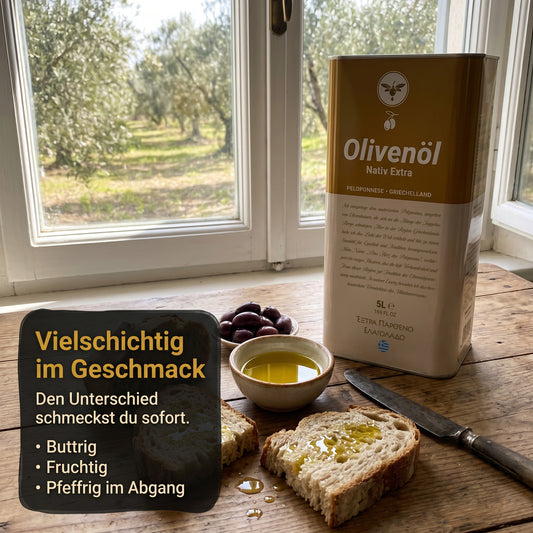
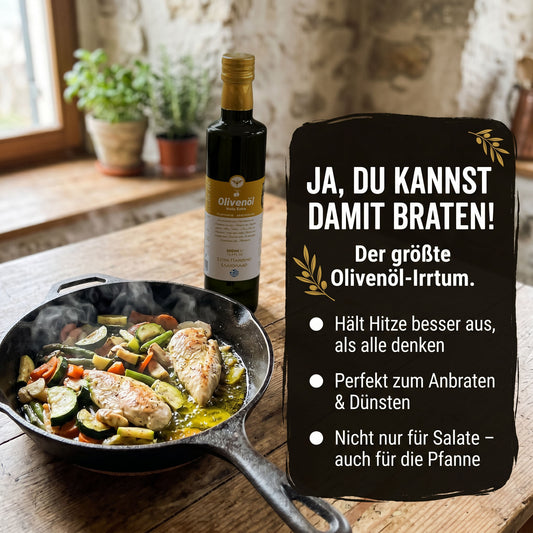
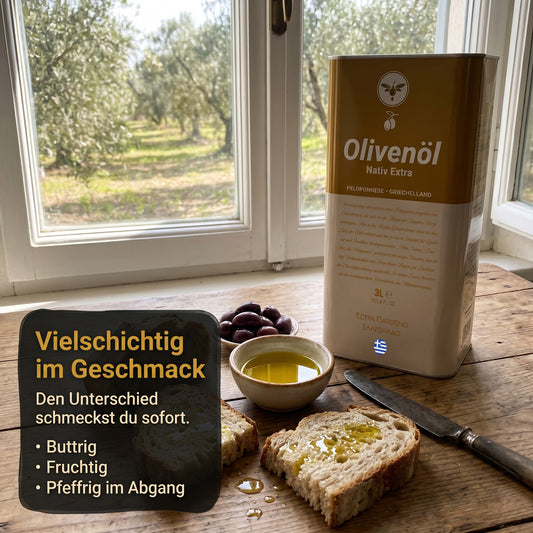
For the oil, reach for a fruity extra virgin with real character. Our Extra Virgin Olive Oil from the Peloponnese is hand-harvested and cold-extracted, so it stays low in acidity and rich in polyphenols, with a peppery, buttery depth that makes the aubergine taste luxurious. It is lab-tested, free of mineral oil residues and heat-stable to 180 C, so it fries the aubergine beautifully and then finishes the dish with a fresh, grassy drizzle. If you want to understand why a peppery, polyphenol-rich oil matters so much, our guide on high-polyphenol olive oil explains it well.
Sicilian Caponata
Serves 4 to 6 as an antipasto or side. Prep 20 minutes. Cooking 35 minutes.
Ingredients
- 2 large aubergines, cut into 2 cm cubes
- 6 tablespoons extra virgin olive oil, plus extra to finish
- 1 onion, finely chopped
- 2 celery sticks, sliced
- 400 g chopped tomatoes (or passata)
- 100 g Greek green olives, pitted and halved
- 2 tablespoons capers, rinsed
- 2 tablespoons red wine vinegar
- 1 tablespoon sugar
- A small handful of fresh basil
- Sea salt and freshly ground black pepper
Every ingredient available in our shop as a real, listed product is linked, so you can build the dish on quality from the start.
Method
- Toss the aubergine cubes with a little salt and leave in a colander for 15 minutes, then pat dry. This keeps them from drinking up too much oil.
- Heat 4 tablespoons of the olive oil in a large pan over a medium-high heat. Fry the aubergine in batches until deep golden and tender, then lift out and set aside.
- Add the remaining 2 tablespoons of oil to the pan, lower the heat, and soften the onion and celery for 8 to 10 minutes until sweet and translucent.
- Stir in the chopped tomatoes, green olives and capers. Simmer gently for 10 minutes, until the sauce thickens.
- Now the agrodolce: stir in the vinegar and sugar and let it bubble for 2 minutes, so the sharpness and sweetness meld into the sauce.
- Fold the fried aubergine back in and cook for another 5 minutes, just to bring everything together. Season to taste, remembering the olives and capers are already salty.
- Take off the heat and let it rest for at least 20 minutes, or cool completely. Scatter with torn basil and finish with a generous drizzle of extra virgin olive oil before serving.
Serve it cool with warm bread, alongside grilled vegetables, or as part of a mezze spread. It loves the company of our Provencal black olive tapenade on the same table. Stock up on our green olives here and you will find a dozen reasons to open the jar.
Tips and make-ahead
Caponata is a make-ahead dream. The flavours deepen overnight, so it is arguably better on day two and keeps happily in the fridge for up to four days. Always bring it back to room temperature before serving, never fridge-cold, so the olive oil and aromatics come alive again. For the glossiest result, do not rush the aubergine: fry it in batches so it colours rather than steams. And balance the agrodolce to your taste, a touch more vinegar for brightness, a pinch more sugar for roundness. If you love this Sicilian, olive-forward style, our Sicilian swordfish alla ghiotta plays the same green-olive-and-oil tune. Finish every bowl with our Peloponnese olive oil for that unmistakable fresh, peppery lift.
Our Product Pick
Greek Green Olives with Pit
Plump Chalkidiki olives, hand-harvested and naturally fermented in brine and vinegar with no additives. Firm, fresh and gently fruity, the savoury backbone of a real caponata.
Shop Green OlivesFrequently asked questions
Is caponata served hot or cold?
Traditionally at room temperature, never piping hot and never fridge-cold. That resting time lets the sweet-and-sour flavours settle and the olive oil carry them. It is why caponata is such a good make-ahead dish: make it earlier in the day, or even the day before, and simply bring it back to room temperature to serve.
Which olives are best for caponata?
Firm, savoury green olives are the classic choice, because they hold their shape and bite in the sauce and balance the sweetness. Our naturally fermented Greek green olives are ideal. If you prefer a deeper, fruitier note, good black Kalamata olives work beautifully too. Avoid bland, over-processed olives, which simply disappear.
Can I make caponata ahead and how long does it keep?
Yes, and you should. Caponata keeps in the fridge for up to four days and tastes even better after a night for the flavours to mingle. Store it covered, and bring it back to room temperature with a fresh drizzle of olive oil before serving.
Pour La Vie
Caponata is proof that humble vegetables become something unforgettable when the olives and the oil are the real thing. Give it dull olives and a flat oil, and it is just stewed aubergine. Give it hand-harvested green olives and a peppery Peloponnese extra virgin, and it sings with that sweet, sour, savoury Sicilian balance that keeps everyone going back to the bowl. That is the Jegit philosophy on a plate: natural, honest and made for the good life. Bring home our Greek green olives today and make the caponata they will remember. Pour La Vie.

Classic Shakshuka: Eggs Poached in a Spiced Tomato and Pepper Sauce (Where the Olive Oil Makes It)
Classic shakshuka: eggs poached in a spiced tomato and pepper sauce, ready in 30 minutes. The one-pan recipe where good olive oil...

Honey-Glazed Salmon with Thyme Honey: The 25-Minute Festive Dinner Where the Honey Makes the Glaze
Honey-glazed salmon in 25 minutes, where real Greek thyme honey makes a glossy, caramelised glaze. The easy festive salmon dinner, step by...

Provençal Black Olive Tapenade: The 10-Minute Classic Where the Olives and the Oil Are Everything
Authentic Provençal black olive tapenade in 10 minutes — the classic Kalamata and extra virgin olive oil recipe, with the trick that...