Honey-Glazed Salmon with Thyme Honey: The 25-Minute Festive Dinner Where the Honey Makes the Glaze

There is a certain kind of dinner that looks like you fussed for an hour and actually took twenty-five minutes. Honey-glazed salmon is exactly that dish. A thick fillet, a glossy amber glaze that caramelises at the edges, a scatter of thyme and a squeeze of lemon, and you have a festive centrepiece that feels special enough for Christmas yet easy enough for a Tuesday. The secret is not technique. It is the honey. Reach for a jar of real Greek thyme honey from Jegit and the difference between a pleasant supper and an unforgettable one is already in the bowl.
Most recipes tell you to brush salmon with "honey" as if every jar were the same. It is not. The thin, over-filtered honey on a supermarket shelf has usually been heated until its aroma is gone, leaving a flat, one-note sweetness. A raw, unheated thyme honey does the opposite: it brings a wild, resinous, almost herbal depth that clings to the fish and turns savoury under heat. That is why this glaze tastes like something from a Mediterranean taverna rather than a jar of syrup.
Why thyme honey makes this glaze
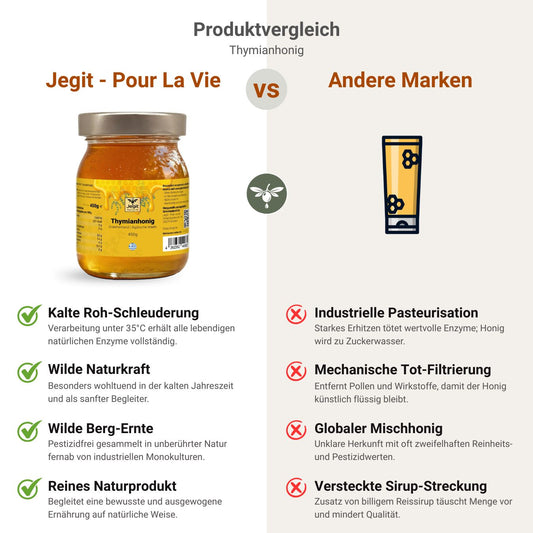
A glaze lives or dies on the quality of its honey, because there are only a handful of ingredients and nowhere to hide. Jegit's thyme honey is gathered from wild, blooming thyme fields in Greece and spun gently by hand, entirely without heat. That matters for three reasons. It keeps the honey rich in its natural enzymes and strong, captivating aroma. It stays pure and unadulterated, with nothing stretched or added. And because it is made expressly for both sweetening and savoury glazing, it behaves beautifully on hot fish, thickening into a lacquer instead of running off. You are not masking the salmon. You are framing it. Secure your jar of Jegit thyme honey here and taste why a glaze is only ever as good as the honey underneath it.
Ingredients (serves 4)
Everything here is kitchen-cupboard simple. The two ingredients that carry the dish, the honey and the oil, are the two worth buying well.
- 4 salmon fillets, skin on, about 150 g each
- 3 tbsp Jegit Greek thyme honey
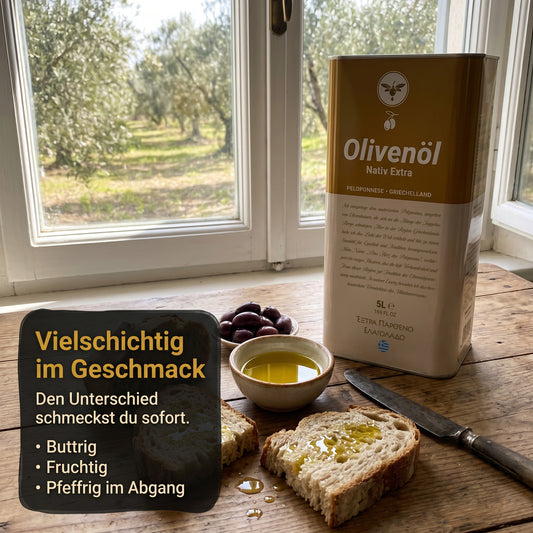
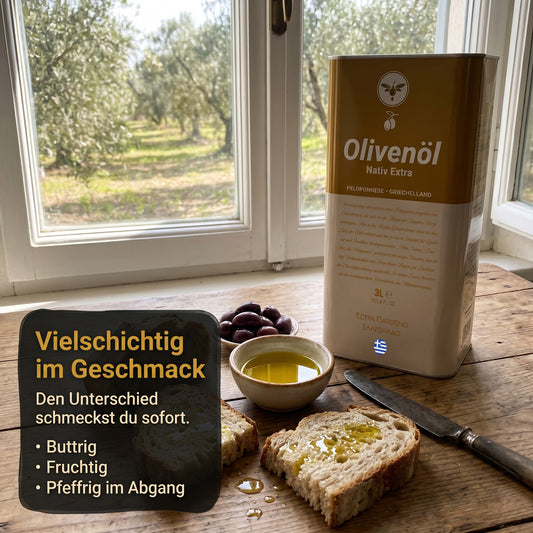
- 2 tbsp Jegit extra virgin olive oil from the Peloponnese
- 2 tbsp soy sauce or tamari
- 2 garlic cloves, finely grated
- 1 tbsp Dijon mustard
- Juice of half a lemon, plus wedges to serve
- A few sprigs of fresh thyme
- Sea salt and freshly cracked black pepper
A quick word on the oil, because it does more than grease the pan. A naturally cloudy, peppery Peloponnese extra virgin olive oil is hand-harvested, lab-tested and heat-stable up to 180°C, so it carries the garlic and loosens the glaze without turning bitter. Grab the thyme honey now so your glaze is ready when the pan is hot.
Method
- Make the glaze. In a small bowl, whisk together the thyme honey, olive oil, soy sauce, grated garlic, Dijon mustard and lemon juice until glossy and smooth. Taste it: it should be sweet, savoury and bright all at once.
- Season the salmon. Pat the fillets dry, then season with sea salt and black pepper. Dry fish glazes far better than wet fish, so do not skip the paper towel.
- Sear, flesh-side down. Heat a splash of olive oil in an oven-proof pan over medium-high heat. Lay the fillets flesh-side down and sear for 2 minutes until golden. Flip to skin-side down.
- Glaze and roast. Spoon two-thirds of the glaze generously over the fillets. Slide the pan into an oven preheated to 200°C and roast for 6 to 8 minutes, until the salmon flakes and the glaze is sticky and caramelised at the edges.
- Finish. Spoon over the remaining glaze, scatter with fresh thyme and add a squeeze of lemon. Rest for 2 minutes, then serve with lemon wedges.
That is the whole method. One bowl, one pan, a quarter of an hour of real work. The thyme honey is doing the heavy lifting, which is exactly why it is worth using the good stuff. Order Jegit thyme honey now and keep a jar on hand for every glaze from here to New Year.
Choosing the right salmon
The glaze does most of the work, but a good fillet makes it effortless. Choose thick, even pieces cut from the centre of the side rather than the thin tail end, so they cook at the same rate and stay juicy. Skin-on fillets are worth seeking out: the skin protects the flesh from the direct heat of the pan and crisps into a bonus of its own. Fresh or properly thawed frozen salmon both work, but pat either one thoroughly dry before glazing, because surface moisture is the enemy of a sticky, caramelised finish.
Bring the fish to room temperature for ten minutes before it hits the pan, and it will cook more evenly without drying at the edges. If you are cooking for a crowd, a whole side of salmon takes the same glaze beautifully: brush it generously, roast at 200°C for 15 to 18 minutes, and carve at the table for a genuinely festive centrepiece.
Tips, swaps and what to serve alongside
Want more caramelisation? Finish under a hot grill for 60 seconds at the end, watching closely so the honey does not scorch. Prefer a sharper edge? Add a pinch of chilli flakes to the glaze. The same glaze is wonderful on chicken thighs and duck, too, if you want to work your way through the festive table. For a vegetable side, roast tenderstem broccoli or carrots in a little peppery olive oil while the salmon cooks, then drizzle with the pan glaze.
If you love a honey glaze as much as we do, try our thyme honey-glazed duck breast with rosemary for a slightly dressier main, or the ever-popular sticky honey-garlic chicken thighs for a fast weeknight version. And if you are new to cooking with it, our guide to what thyme honey tastes like and how to use it will show you a dozen more ways to reach for the jar.
Our product tip
Greek Thyme Honey 450g from Jegit
Raw and unheated, rich in natural enzymes with a strong, wild Mediterranean aroma: the honey that turns a simple salmon fillet into a glossy, unforgettable glaze.
Shop Thyme Honey nowFrequently asked questions
Can I use any honey for honey-glazed salmon?
You can, but you will taste the difference. A thin, heat-treated supermarket honey gives a flat sweetness, while a raw, unheated thyme honey adds a wild, herbal depth that clings to the fish and caramelises beautifully. For a glaze with only a few ingredients, the honey is the ingredient. Jegit's Greek thyme honey is made expressly for savoury glazing.
What temperature should salmon be cooked to?
Salmon is perfectly cooked when it flakes easily with a fork and the centre is just opaque, around 52 to 55°C for a moist, tender result. In this recipe, 6 to 8 minutes at 200°C after a quick sear does the job for a 150 g fillet.
Can I make the glaze ahead of time?
Yes. Whisk the glaze up to three days ahead and keep it in a sealed jar in the fridge. Give it a quick stir before using, as the honey and oil naturally separate. Having the glaze ready turns this into a genuine 25-minute dinner.
Honey-glazed salmon is proof that the simplest dishes reward the best ingredients. Everything comes down to one glossy spoonful, and that spoonful is only as good as the honey in it. Build your glaze on real Greek thyme honey and you will serve a plate that tastes like the Mediterranean in the middle of winter. Order your jar of Jegit thyme honey today and taste Pour La Vie.

Sicilian Caponata: The Sweet-and-Sour Aubergine Classic Where the Olives and Olive Oil Carry Every Bite
Authentic Sicilian caponata: sweet-and-sour aubergine with green olives, capers and olive oil. The vegetarian antipasto where good olives make it.

Classic Shakshuka: Eggs Poached in a Spiced Tomato and Pepper Sauce (Where the Olive Oil Makes It)
Classic shakshuka: eggs poached in a spiced tomato and pepper sauce, ready in 30 minutes. The one-pan recipe where good olive oil...

Provençal Black Olive Tapenade: The 10-Minute Classic Where the Olives and the Oil Are Everything
Authentic Provençal black olive tapenade in 10 minutes — the classic Kalamata and extra virgin olive oil recipe, with the trick that...