Menemen: The Turkish Breakfast Eggs Soft-Scrambled in Olive Oil

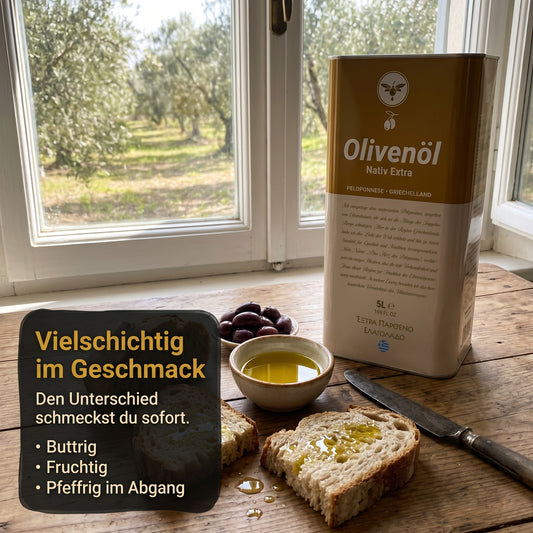
There is a reason menemen is the dish Turkish families reach for on a slow weekend morning. A few eggs, ripe tomatoes, sweet green peppers and a generous pour of good olive oil, coaxed together in one pan until silky and just set. It is humble, fast and endlessly comforting — and the single thing that decides whether it tastes flat or unforgettable is the olive oil you cook it in. Reach for a bright, peppery extra virgin oil and the whole pan comes alive. Start with our Peloponnese extra virgin olive oil and you will taste exactly what we mean.
What is menemen?
Menemen is the classic Turkish breakfast of eggs scrambled slowly with tomatoes and green peppers. Unlike shakshuka, where the eggs are poached whole in a spiced sauce, menemen keeps things gentle and silky: the eggs are stirred into the softened vegetables until just creamy, never dry. There are no heavy spices to hide behind, which is exactly why the quality of three or four simple ingredients — above all the olive oil — is everything. Serve it straight from the pan with warm crusty bread and a bowl of olives, and you have a breakfast that feels like a small holiday.
Why the olive oil is the whole secret
Menemen has nowhere to hide. Strip the dish back and you have eggs, vegetables and olive oil — so the oil is not a background player, it is the flavour. Cook it in a flat, tired supermarket oil and the pan tastes dull and greasy. Cook it in a living, peppery extra virgin olive oil and every mouthful gains a buttery, grassy, gently spicy depth that makes people ask what you did differently.
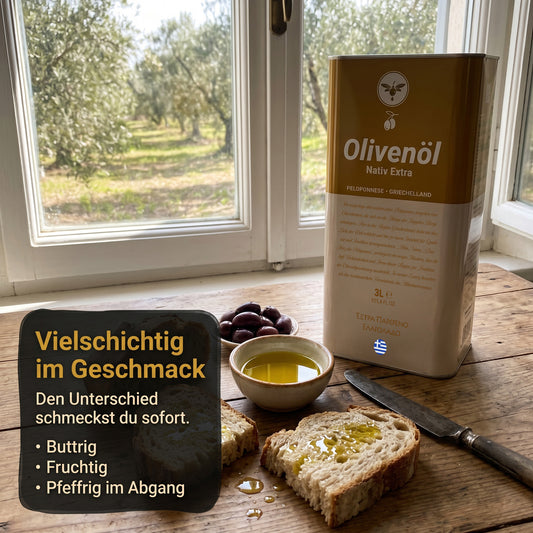
Our Extra Virgin Olive Oil from the Peloponnese is built for exactly this kind of cooking. It is hand-harvested and naturally cloudy and unfiltered, which keeps its full aroma intact. It is lab-tested for low acidity and a high polyphenol content, and certified free from mineral-oil residues — so what hits your pan is pure fruit, not a blend. And because it is heat-stable up to 180°C, it holds its character beautifully through the gentle sauté that menemen needs. With a supermarket oil it tastes flat; with ours it tastes like a Turkish kitchen. Secure your bottle here before you start cooking.
Ingredients (serves 2)
- 4 tbsp extra virgin olive oil from the Peloponnese (plus extra for drizzling)
- 2 long green peppers (Turkish sivri or pointed peppers), deseeded and sliced
- 1 small onion, finely chopped (optional — see the tips below)
- 4 ripe tomatoes, grated or finely chopped (or 1 x 400 g tin chopped tomatoes)
- 4 large eggs
- ½ tsp pul biber (Turkish red pepper flakes), plus more to serve
- ½ tsp dried oregano
- Sea salt and freshly ground black pepper
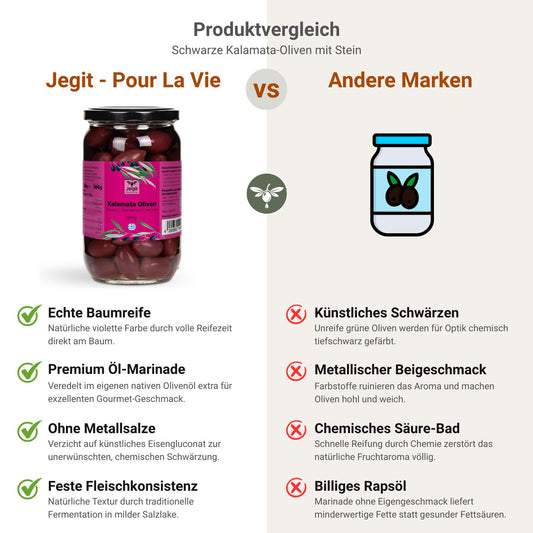
- To serve: warm crusty bread and a bowl of black Kalamata olives
Three ingredients do the heavy lifting here, so make them count. Make sure your oil is the good stuff — grab a bottle of our Peloponnese extra virgin here.
How to make menemen, step by step
- Warm the oil gently. Set a wide frying pan or skillet over a medium-low heat and add 3 tablespoons of the olive oil. Let it warm through without smoking — menemen is a slow, kind dish, not a fierce fry.
- Soften the peppers. Add the sliced green peppers (and the onion, if using) and cook gently for 5–7 minutes until soft and sweet, stirring now and then.
- Melt down the tomatoes. Stir in the grated tomatoes, pul biber, oregano, a good pinch of salt and some black pepper. Let everything simmer for 8–10 minutes until the tomatoes collapse into a thick, glossy base and most of the liquid has cooked away.
- Add the eggs. Crack the eggs straight into the pan. Let them sit for 20 seconds, then fold them slowly through the tomato base with a wooden spatula. Keep the heat low and stir gently — you want soft, creamy curds that are just set, never dry.
- Finish raw and serve. Pull the pan off the heat while the eggs still look glossy. Finish with a final raw drizzle of the remaining tablespoon of olive oil and an extra pinch of pul biber. Bring the pan to the table with warm bread and a bowl of olives alongside.
That closing drizzle of raw oil is where a great olive oil truly sings — its polyphenols and aroma are at their brightest uncooked. This is the oil we reach for every time.
Tips to make it unforgettable
The onion debate. Purists from the Aegean coast leave onion out entirely; many home cooks add it. Both are correct — start without it once to taste the tomatoes and oil clearly, then decide.
Do not rush the eggs. The most common mistake is cranking up the heat. Keep it low and fold slowly; the eggs should be creamy, not scrambled to rubber.
Finish with raw oil. A cooked oil flavours the dish; a raw finishing drizzle crowns it. This is the moment a hand-harvested, polyphenol-rich oil pays you back.
Serve with olives. A small dish of black Kalamata olives alongside turns a quick breakfast into a proper Mediterranean spread.
Our Product Tip
Extra Virgin Olive Oil 500ml from the Peloponnese
Hand-harvested, naturally cloudy and unfiltered, lab-tested for low acidity and high polyphenols, and heat-stable to 180°C — the difference between a good menemen and an unforgettable one.
Shop the olive oilFrequently asked questions
Can I really cook menemen with extra virgin olive oil?
Absolutely — it is the traditional choice. Menemen is cooked low and slow, well within the comfort zone of a good extra virgin oil. Ours is heat-stable up to 180°C, so it keeps its flavour and character through the gentle sauté rather than breaking down.
What is the difference between menemen and shakshuka?
In menemen the eggs are softly scrambled through the tomato and pepper base until creamy; in shakshuka the eggs are poached whole in a more heavily spiced sauce. Menemen is Turkish and deliberately simple, which is why the olive oil matters so much.
What should I serve with menemen?
Warm crusty bread for scooping is essential, plus a bowl of Kalamata olives and, in true Turkish style, a glass of strong tea. It makes a generous breakfast or an easy light supper.
Menemen proves that a handful of honest ingredients, treated with care, can taste extraordinary — and it all begins with the oil in the pan. Cook it once with a bright, hand-harvested Greek extra virgin and you will never go back. Bring home our Peloponnese olive oil today and taste the difference, Pour La Vie.

Roasted Pumpkin with Feta and Thyme Honey: A Mediterranean Autumn Traybake
Roasted pumpkin with feta and a drizzle of Greek thyme honey: a 10-minute Mediterranean autumn traybake that lives or dies by the...

Moroccan Lamb Tagine with Green Olives (Slow-Braised in Olive Oil)
Slow-braised Moroccan lamb tagine with green olives, preserved lemon and warm spices, finished with hand-harvested Peloponnese olive oil. A rich autumn one-pot.

Italian Lemon & Olive Oil Cake (Torta all'Olio d'Oliva)
An Italian lemon & olive oil cake (torta all'olio) that stays moist for days. The secret is a fruity, cold-pressed extra virgin...