Lebanese-Style Roast Chicken with Garlic, Lemon and Olive Oil (One-Pan Traybake)

There is a moment, as this one-pan chicken comes out of the oven, when the whole kitchen fills with the smell of garlic softening in warm olive oil and lemon caramelising at the edges of the tin. It is the smell of the Levantine table — generous, unfussy and built almost entirely around one ingredient done properly. And here is the honest truth about this traybake: the chicken, the lemon and the garlic are supporting players. The real star is the olive oil. Use a flat, anonymous supermarket oil and you get a perfectly pleasant roast dinner. Use a real, hand-harvested extra virgin olive oil and you get something you will still be thinking about the next day. Start with the right oil — shop our Peloponnese extra virgin here, and the rest of the recipe almost cooks itself.
This is autumn food at its most forgiving: everything goes into one roasting tin, the oven does the heavy lifting, and you are left with burnished chicken thighs, sticky lemon and a pool of garlicky, herb-flecked oil that begs to be mopped up with warm flatbread. Here is how to make it — and, just as importantly, how to make it unforgettable.
Why the olive oil is the whole dish
In Lebanese home cooking, olive oil is never just a cooking medium you reach for out of habit. It is a seasoning in its own right, poured with the same intent as salt and used as generously. That is exactly why the bottle you choose matters so much here. Roast chicken coated in a thin, over-refined oil tastes of very little; roast chicken basted in a properly fruity, peppery extra virgin oil tastes alive — grassy, buttery and faintly peppery at the back of the throat.
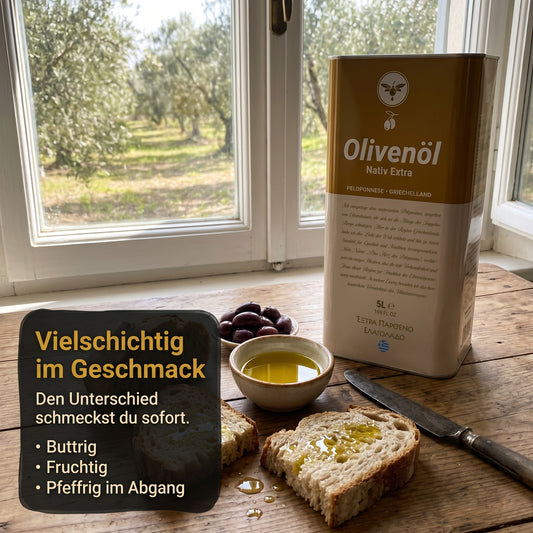
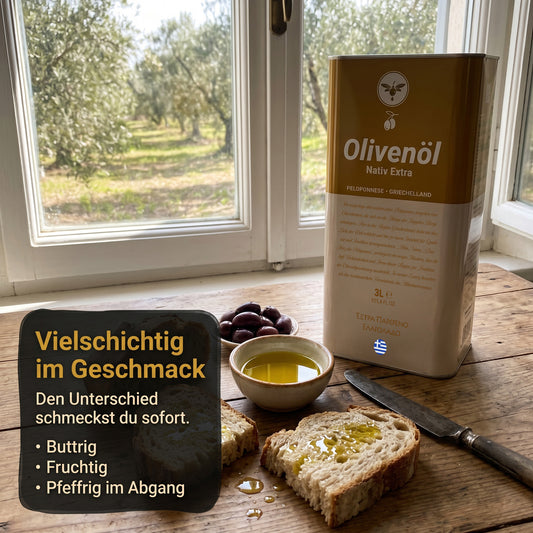
Our extra virgin olive oil from the Peloponnese is built for exactly this job. It is hand-harvested, naturally cloudy and unfiltered, and laboratory-tested for low acidity and a high polyphenol content — the markers of a living, freshly pressed oil rather than a tired, blended one. It is also heat-stable up to 180°C, so it holds its character in a hot oven instead of turning dull and greasy. You cook the chicken in it, and then — the trick that separates good from unforgettable — you finish the dish with a raw, cold drizzle of the same oil just before serving. With a flat supermarket oil that final pour does nothing. With this one, it is the difference between a nice dinner and a memorable one. Grab the bottle that makes this dish sing — order it here.
Ingredients (serves 4)
For the chicken
- 8 bone-in, skin-on chicken thighs (or a mix of thighs and drumsticks)
- 6 tablespoons extra virgin olive oil from the Peloponnese, plus more to finish
- 2 whole heads of garlic, cloves separated and left unpeeled
- 2 unwaxed lemons — 1 juiced, 1 cut into thick wedges
- 2 red onions, cut into thick wedges
- 2 teaspoons dried oregano
- 1 teaspoon ground cumin
- 1 teaspoon ground allspice (or a good pinch of cinnamon)
- 1 teaspoon sweet paprika
- Sea salt and freshly ground black pepper
- A small handful of fresh flat-leaf parsley, roughly chopped, to serve
To serve
- Warm flatbread or rice
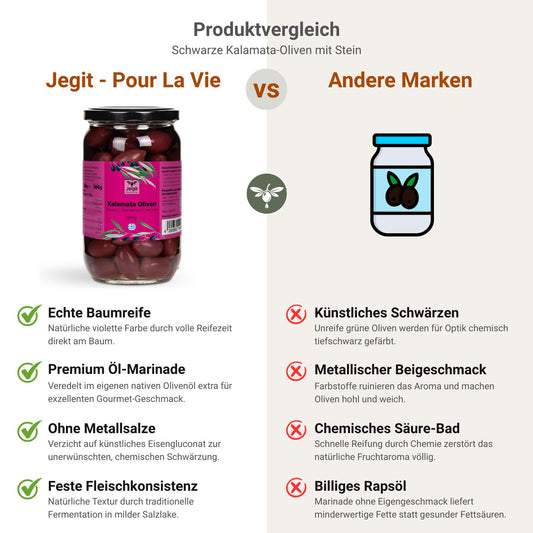
- A bowl of Greek green olives on the side — their mild, fruity bite is the perfect foil for the rich, lemony chicken
A quick note before you start: because the oil is doing so much of the flavour work, this is not the moment to economise on it. Make sure your bottle is topped up here — you will want enough for cooking and for that all-important finishing drizzle.
Method
- Marinate. In a large bowl, whisk together 5 tablespoons of the olive oil, the lemon juice, oregano, cumin, allspice, paprika, a generous teaspoon of salt and plenty of black pepper. Add the chicken thighs and turn them until thoroughly coated. If you have time, leave to marinate for 30 minutes at room temperature (or up to overnight in the fridge) — but even 10 minutes makes a difference.
- Heat the oven. Preheat to 200°C (180°C fan). Choose a large, shallow roasting tin so the chicken sits in a single layer with room to crisp.
- Build the tray. Scatter the red onion wedges, unpeeled garlic cloves and lemon wedges across the tin. Drizzle with the remaining tablespoon of oil and a pinch of salt, then toss. Nestle the marinated chicken thighs on top, skin-side up, and pour over any marinade left in the bowl.
- Roast. Roast for 40–50 minutes, basting once or twice with the oil that pools in the tin, until the skin is deep golden and the juices run clear. If you want extra colour, give it a final 3–4 minutes under a hot grill.
- Rest and finish. Let the tray rest for 5 minutes. Squeeze a few of the roasted garlic cloves out of their skins and smash them into the pan juices. Then — and do not skip this — drizzle the whole tray with a fresh, cold pour of extra virgin olive oil and scatter over the parsley. That raw hit of fruity, peppery oil on top of the hot chicken is the signature of the dish.
- Serve. Bring the tin to the table with warm flatbread, rice and a bowl of green olives, and let everyone tear in.
Tips for getting it right
Dry the chicken skin well before marinating — a dry surface crisps far better than a damp one. Do not crowd the tin; give each thigh space or the chicken will steam rather than roast. And resist the urge to peel the garlic: roasting the cloves in their skins turns them sweet and jammy, ready to be squeezed into the sauce. Above all, keep the finishing oil raw and cold — heating it would cook away the very freshness you are paying for. This is where a genuinely good oil earns its place. If your cupboard oil is more than a few months open, treat yourself to a fresh bottle here before you cook.
Frequently asked questions
Can I use extra virgin olive oil for roasting, or will it burn?
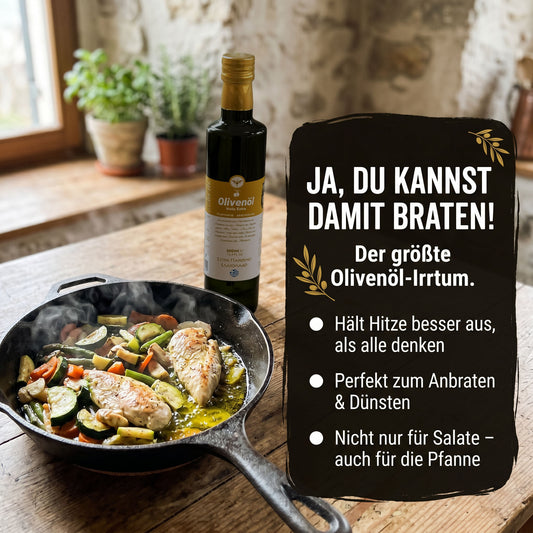
You can absolutely roast with it. A good extra virgin olive oil like our Peloponnese oil is heat-stable up to around 180°C, which comfortably covers a fan-oven roast. The myth that extra virgin oil cannot take heat comes from thin, low-quality oils; a fresh, low-acidity oil holds up beautifully and rewards you with far more flavour than a refined oil ever could.
Which cut of chicken works best?
Bone-in, skin-on thighs are ideal — they stay juicy, crisp up well and are hard to overcook. Drumsticks work too, and you can roast a spatchcocked whole chicken the same way (allow around 10–15 extra minutes). Boneless, skinless breast is not recommended here, as it dries out before the garlic and lemon have time to work their magic.
What should I serve it with?
Warm flatbread is traditional and perfect for scooping up the garlicky oil. Rice, bulgur or a simple leafy salad all work well, and a bowl of green olives on the side brings a bright, briny contrast. Whatever you choose, leave a little bread spare for the pan juices — they are the best part.
Our product tip
Extra Virgin Olive Oil 500ml from the Peloponnese
Hand-harvested, naturally cloudy and lab-tested — low in acidity, rich in polyphenols and heat-stable to 180°C. The one ingredient that turns this traybake from good into unforgettable.
Taste it now — shop the olive oilMake this chicken once and you will understand why Lebanese cooks treat olive oil as the heart of the meal rather than an afterthought. The chicken is easy; the magic is in the bottle. Pour something real, finish it raw, and taste the difference a proper extra virgin oil makes. Order your Peloponnese extra virgin olive oil today and cook it the way it was meant to be made — Pour La Vie.

Pan-Fried Halloumi with Thyme Honey and Olive Oil (Cypriot-Style Meze)
Learn how to pan-fry halloumi until golden and crisp, then finish it with Greek thyme honey and peppery Peloponnese olive oil —...

Honey-Mustard Roast Potatoes with Crispy Bacon (German-Style Sheet-Pan Side)
Crispy German-style honey-mustard roast potatoes with bacon, glazed in real Greek thyme honey. The trending autumn side dish, ready in under an...

Provençal Beef Daube with Olives: A Slow-Braised French Sunday Classic
Slow-braised Provençal beef daube with black Kalamata olives, red wine and orange peel — a rich French autumn classic built on real...