Provençal Beef Daube with Olives: A Slow-Braised French Sunday Classic

There is a reason the daube has anchored Provençal kitchens for centuries: it takes humble beef and, over a few unhurried hours, turns it into something you will remember. Chunks of chuck go meltingly soft in a dark, glossy sauce built on red wine, tomato, orange peel and herbs – and then, right at the heart of it, whole black Kalamata olives bring the salty, savoury depth that tells you this is southern France and not a plain stew. If you want it to taste the way it does in a little bistro in Aix, the single most important decision you will make is the olives. Start with proper, naturally cured ones: reach for our Greek Black Kalamata Olives here and the dish is already halfway to unforgettable.
This is cold-weather cooking at its most generous – a dish you start on a grey autumn afternoon and serve, steaming, when everyone is hungry. It is distinctly French, distinctly not a weeknight throw-together, and it rewards good ingredients more than almost anything else you will cook this month.
Why the olives (and the oil) are the whole dish
A daube is only as good as the two things that carry its flavour from start to finish: the olive oil you build the base with, and the olives you fold in at the end. Use a flat, tired supermarket olive and you get a muddy, one-note braise. Use a naturally cured Kalamata olive and you get that unmistakable winey, almost fruity bitterness that cuts through the richness of the beef.
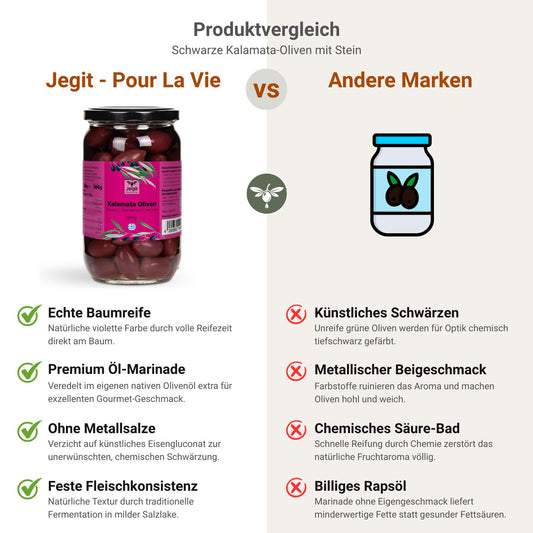
Our Black Kalamata Olives earn their place here for honest reasons: they are hand-picked, naturally cured with nothing but brine, and completely free of artificial additives and dyes – so the colour and flavour in your pot are the olive's own, not a cosmetic. They hold their shape through a long braise instead of collapsing, which is exactly what you want. The difference between a good daube and one people ask you to make again is sitting in that jar. Order the olives now and taste it for yourself.
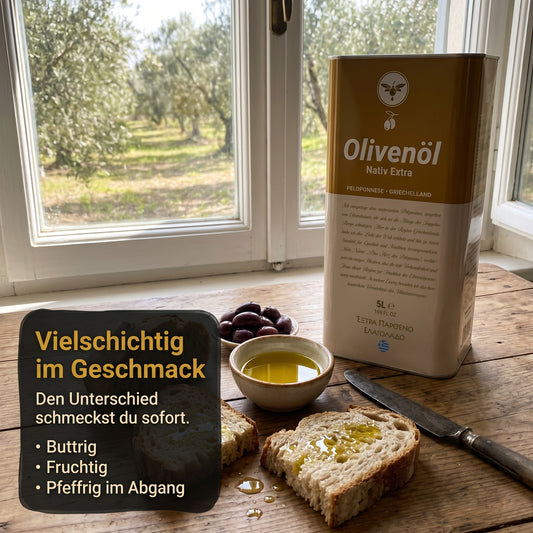
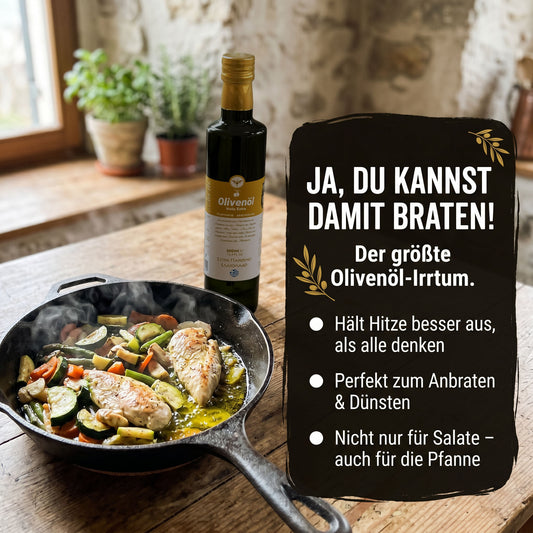
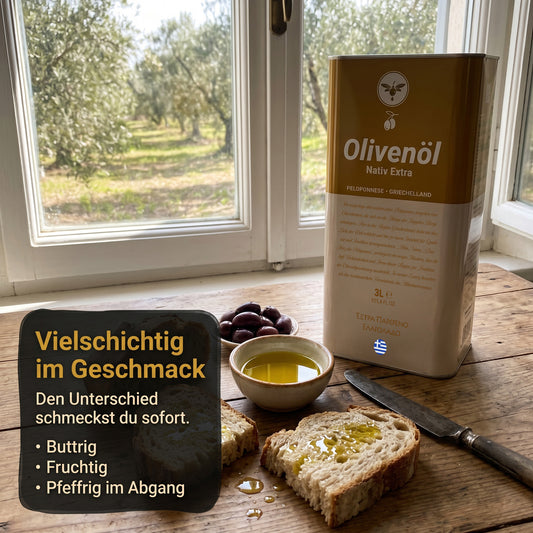
For the base, reach for a real extra virgin olive oil. Ours is cold-pressed Peloponnese extra virgin – hand-harvested, naturally cloudy and unfiltered, lab-tested for low acidity and rich in polyphenols, and heat-stable up to 180°C, so it sears beef beautifully without turning bitter. A cheap oil flinches at that heat; ours does not.
Ingredients (serves 6)
- 1.2 kg beef chuck or shin, cut into large 5 cm chunks
- 3 tbsp extra virgin olive oil from the Peloponnese
- 150 g smoked streaky bacon or pancetta, cut into lardons
- 2 onions, sliced
- 3 carrots, cut into thick rounds
- 4 garlic cloves, crushed
- 2 tbsp plain flour
- 500 ml robust red wine (a Côtes du Rhône is ideal)
- 400 g tinned chopped tomatoes
- 250 ml beef stock
- 2 strips of orange peel
- 3 bay leaves, a few sprigs of thyme and rosemary
- 150 g Greek Black Kalamata Olives, drained
- Sea salt and freshly ground black pepper
A quick word before you start: this recipe genuinely lives or dies by the olive oil and the olives. If your cupboard oil is more than a year old, or your olives came out of a nameless tub, do yourself a favour and upgrade the two ingredients that matter most first.
How to make Provençal beef daube, step by step
- Brown the beef. Pat the chunks dry and season well. Heat the olive oil in a heavy casserole over a high heat and sear the beef in batches until deeply browned on all sides. Don't crowd the pan – this colour is the foundation of the flavour. Set the beef aside.
- Build the base. Lower the heat and add the bacon lardons; cook until the fat renders. Add the onions, carrots and garlic and soften for 8–10 minutes. Stir in the flour and cook for another minute.
- Deglaze. Pour in the red wine, scraping up every brown bit from the bottom. Let it bubble and reduce by a third.
- Bring it together. Return the beef and any juices to the pot. Add the tomatoes, stock, orange peel and herbs. Season lightly – the olives will add salt later. Bring to a gentle simmer.
- Slow-braise. Cover and transfer to a 150°C (fan 130°C) oven for 2½ to 3 hours, until the beef is fork-tender and the sauce is glossy and thick.
- Add the olives. Stir in the Kalamata olives and return to the oven, uncovered, for a final 20 minutes. This is the moment the dish becomes a daube rather than a stew – so use olives worth tasting. Secure your Kalamata olives here if you haven't already.
- Rest and serve. Fish out the orange peel and woody herb stalks. Taste, adjust the seasoning, and finish each bowl with a generous drizzle of raw extra virgin olive oil over the top.
Tips for the best daube
- Make it a day ahead. Like most braises, a daube is even better on day two, once the flavours have settled. Reheat gently.
- Keep the pits in – or not. Traditional cooks leave Kalamata olives whole with the stone for extra flavour; just warn your guests. Prefer them pitted? Stone them quickly with the flat of a knife.
- Finish raw. Cooking olive oil builds the base, but a cold drizzle of our peppery Peloponnese extra virgin at the table is what makes it sing.
What to serve with it
A daube wants something to soak up that sauce: buttery mashed potato, soft polenta, or the Provençal classic of wide pappardelle. A hunk of crusty bread and a green salad dressed simply with lemon and olive oil finish the table. Keep a bowl of extra olives out too – people always reach for them.
Before you head to the kitchen: the quality of this dish really is decided at the shop, not the stove. Give it the olives and oil it deserves and stock up on both now – they keep beautifully and you will use them long after the last of the daube is gone.
Frequently asked questions
Which olives are best for a Provençal daube?
Black Kalamata olives are the classic choice. Their winey, savoury depth stands up to a long braise far better than mild canned black olives. Choose naturally cured olives without dyes – like our hand-picked Greek Kalamata olives – so the flavour in the pot is real.
Can I make beef daube without wine?
Yes. Replace the wine with the same quantity of beef stock plus a tablespoon of red wine vinegar for acidity. The sauce will be a touch lighter, but the olives and orange peel still carry the Provençal character.
Can I cook a daube in a slow cooker?
Absolutely. Brown the beef and build the base on the hob first, then transfer everything to the slow cooker on low for 7–8 hours. Stir the Kalamata olives in during the last 30 minutes so they keep their texture.
Our Product Tip
Greek Black Kalamata Olives
Hand-picked and naturally cured with nothing but brine – no dyes, no additives – so they hold their shape and bring real, winey depth to every daube.
Shop Kalamata OlivesA great daube is proof that simple ingredients, given time and quality, become something special. Bring home the olives and oil that make the difference, and taste Pour La Vie – for life, and for the table. Order your Kalamata olives today.

Honey-Mustard Roast Potatoes with Crispy Bacon (German-Style Sheet-Pan Side)
Crispy German-style honey-mustard roast potatoes with bacon, glazed in real Greek thyme honey. The trending autumn side dish, ready in under an...

Fermented Honey Garlic: The Sticky-Sweet Mediterranean Condiment Everyone Is Making Right Now
Fermented honey garlic is the condiment of the moment. Here is the simple method, the best ways to use it, and why...

Bacalhau à Lagareiro: Portuguese Olive-Oil-Roasted Cod Where the Oil Is the Whole Dish
Authentic Portuguese bacalhau à lagareiro: olive-oil-roasted cod with smashed potatoes and sweet garlic — the dish where great extra virgin olive oil...