Creamy Pumpkin and Feta Pasta: The Autumn Dinner Where the Olive Oil Does the Work

There is a reason your feed is suddenly full of pumpkin and feta pasta: it is the autumn dinner that tastes like it took an hour but lands on the table in thirty minutes. Sweet roasted pumpkin, salty feta, a whisper of chilli and thyme — it is comfort food with a Mediterranean accent. But here is the part nobody tells you. The "creamy" in creamy pumpkin pasta does not have to come from a tub of cream. It comes from good extra virgin olive oil, emulsified with starchy pasta water into a silky sauce that clings to every rigatoni. Use a flat supermarket oil and the dish tastes flat. Use a real one and it tastes unforgettable.
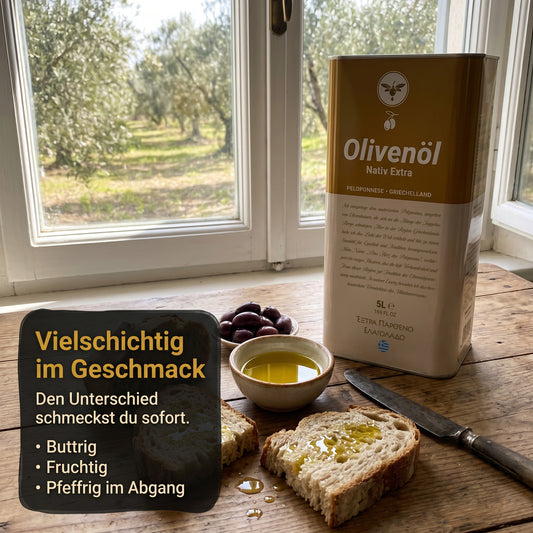
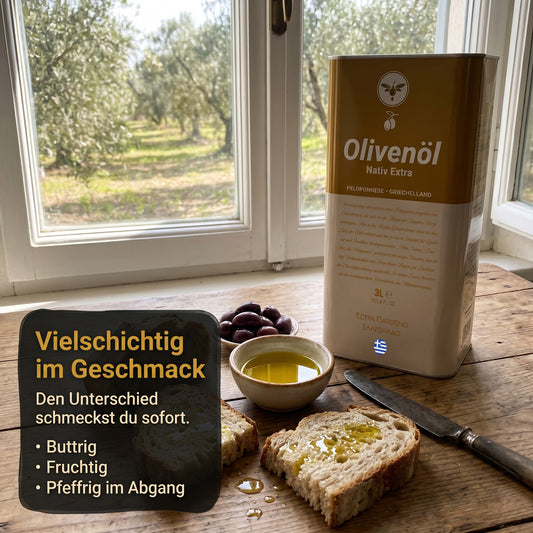
That is why we build this recipe around our hand-harvested extra virgin olive oil from the Peloponnese — naturally cloudy, unfiltered, and peppery enough to balance the sweetness of the pumpkin. Grab a bottle here before you start, and let's cook.
Why this pumpkin and feta pasta works
Three ingredients are doing the heavy lifting, and they happen to be a perfect trio. Pumpkin brings natural sweetness and a velvety texture once it roasts down. Feta brings the salty, tangy edge that stops the dish ever feeling one-note. And olive oil is the bridge between them — it carries the flavour of the roasting tin, it emulsifies into the sauce, and it delivers that final peppery lift right at the end.
Butternut and Hokkaido both work beautifully. Hokkaido has the advantage that you can leave the skin on, so there is less to peel on a weeknight. Whichever you choose, the technique is the same, and the single biggest upgrade you can make is the oil you reach for. Our Peloponnese extra virgin olive oil is laboratory-tested, low in acidity and rich in polyphenols, with a spicy-buttery character that was practically made for roasted pumpkin. Taste the difference for yourself.
Ingredients (serves 4)
- 400 g rigatoni or penne
- 600 g butternut or Hokkaido pumpkin, peeled (or scrubbed) and cut into 2 cm cubes
- 6 tbsp extra virgin olive oil, plus more to finish
- 2 garlic cloves, thinly sliced
- 200 g feta, roughly crumbled
- ½ tsp chilli flakes (optional)
- 1 tbsp fresh thyme leaves, plus a few sprigs
- Sea salt and freshly ground black pepper
- A squeeze of lemon, to finish (optional)
Notice how short that list is. When a dish leans on so few ingredients, quality is not a luxury — it is the whole game. The olive oil is the one ingredient you should not compromise on, because it is in the roasting tin, in the sauce and on top of the finished plate.
Method
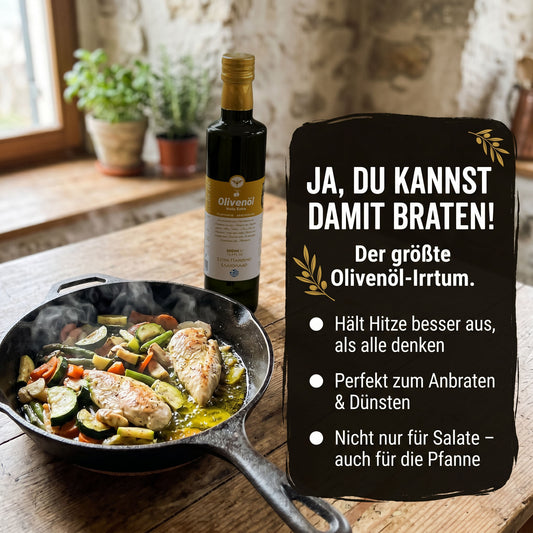
- Roast the pumpkin. Heat your oven to 200°C. Toss the pumpkin cubes with 3 tablespoons of extra virgin olive oil, a good pinch of salt and the chilli flakes. Spread them out on a tray and roast for 22–25 minutes, until soft and caramelised at the edges. Because our oil is heat-stable up to 180°C in the pan and performs beautifully in the oven too, it caramelises the pumpkin without turning bitter.
- Start the pasta. Bring a large pan of well-salted water to the boil and cook the pasta until just shy of al dente. Before you drain, scoop out a large mug of the starchy cooking water — this is your secret sauce-maker.
- Build the base. While the pasta cooks, warm 2 tablespoons of olive oil in a wide pan over a low heat. Add the sliced garlic and the thyme leaves and let them sizzle gently for a minute until fragrant — do not let the garlic colour.
- Make it creamy — with oil, not cream. Add about two-thirds of the roasted pumpkin to the pan and mash it lightly with a fork. Pour in a good splash of the reserved pasta water and another tablespoon of olive oil, then stir hard. The starch and the oil emulsify into a glossy, creamy sauce — no dairy cream required.
- Bring it together. Tip in the drained pasta and the remaining pumpkin cubes. Toss over a low heat, loosening with more pasta water until the sauce coats every piece. Fold through most of the feta so it half-melts into the sauce.
- Finish like a pro. Off the heat, scatter over the rest of the feta, the thyme sprigs and plenty of black pepper. Now the most important step: finish with a generous raw drizzle of extra virgin olive oil and, if you like, a squeeze of lemon. That raw peppery hit is what separates good from unforgettable.
Want to make this your new autumn staple? Stock up on our Peloponnese extra virgin olive oil now — it is the one bottle that will quietly improve everything else you cook this season.
Tips, swaps and make-ahead
Make it a traybake-to-pasta hybrid. Already a fan of roasted pumpkin and feta? This is the same beloved flavour, turned into a proper dinner you can twirl on a fork. Roast a little extra pumpkin and you have tomorrow's lunch sorted.
Keep it vegetarian or add protein. It is substantial enough to stand alone, but a handful of torn basil, some wilted spinach or a few spoonfuls of ricotta all work. Prefer it with meat? Crisp pancetta folded in at the end is delicious — though honestly, the feta and oil rarely need the help.
Choose your pasta wisely. Short, ridged shapes like rigatoni, penne or orecchiette trap the sauce best. Long pasta works but needs a looser, oilier sauce — which is no bad thing when the oil is this good.
The oil is the make-or-break. If you only change one thing about how you cook this autumn, make it the oil. A naturally cloudy, unfiltered extra virgin like ours carries far more flavour and aroma than a refined supermarket bottle, and it is what gives this simple pasta its restaurant-quality finish. Try it in this recipe and taste why.
Our Product Tip
Extra Virgin Olive Oil from the Peloponnese
Hand-harvested, naturally cloudy and unfiltered, laboratory-tested and rich in polyphenols — the peppery, buttery oil that makes this pumpkin and feta pasta sing.
Shop the olive oil nowFrequently asked questions
Can I make pumpkin and feta pasta without cream?
Absolutely — and we would argue it is better without. The creaminess here comes from mashed roasted pumpkin and starchy pasta water emulsified with good extra virgin olive oil. The result is silky and glossy, lighter than a cream sauce, and it lets the pumpkin and feta flavours shine. A high-quality, naturally cloudy oil like our Peloponnese extra virgin is what makes the sauce feel luxurious.
Which pumpkin is best for pasta?
Butternut gives a smooth, sweet, easy-to-blend sauce, while Hokkaido is faster because you can leave the skin on and it holds its shape well. Both are excellent. Cut the cubes evenly so they roast at the same rate, and do not crowd the tray — you want caramelisation, not steam.
Can I use olive oil in the oven at 200°C?
Yes. Extra virgin olive oil is a reliable all-rounder for roasting vegetables. Our Peloponnese oil is heat-stable up to 180°C in the pan and roasts pumpkin beautifully without developing off-flavours, thanks to its low acidity and high polyphenol content. Keep the richest, most peppery drizzle for the very end, raw, where its aroma comes through fullest.
One pan, one great bottle of oil
This is the kind of recipe that earns a permanent place in your autumn rotation: fast, forgiving, vegetarian-friendly and genuinely special. And it all hinges on one humble ingredient doing extraordinary work. Treat your olive oil as the star it is, and a weeknight bowl of pasta becomes something you would happily serve to guests.
Ready to cook it the way it is meant to taste? Order our hand-harvested extra virgin olive oil from the Peloponnese today and bring the real flavour of Greece to your table — Pour La Vie.

Thyme Honey–Glazed Duck Breast with Rosemary: The 40-Minute Festive Dinner
Crisp-skinned duck breast in a sticky Greek thyme honey and rosemary glaze — a festive 40-minute dinner where the honey makes all...

Tunisian-Style Braised Chicken with Olives and Olive Oil: A One-Pan Autumn Dinner
A fragrant Tunisian-style one-pan braised chicken with green olives, peppers and extra virgin olive oil — good oil is what makes it...

Roasted Pumpkin with Feta and Thyme Honey: The Sweet-Savoury Autumn Traybake Everyone's Making Right Now
Caramelised pumpkin, melting feta and golden Greek thyme honey — the sweet-savoury autumn traybake everyone's making right now. Ready in 45 minutes.