Olive Wood Serving Board: How to Choose One and Style a Mediterranean Antipasti Platter
A generous board of olives, cheese, warm bread and cured meats is the most welcoming way to start a Mediterranean meal — and the board itself is half the pleasure. A good olive wood serving board turns a simple spread of antipasti into a centrepiece, with swirling honey-and-caramel grain that no two boards ever share. This guide covers how to choose one, how to build a proper antipasti platter on it, and how to care for it so it lasts for decades.
If you have been searching for the right olive wood antipasti board, here is everything worth knowing before it lands on your table.
Why olive wood makes the best serving board
Olive wood is one of the densest, hardest woods used in the kitchen, and that density is exactly what makes it such a fine serving surface. Its tight grain absorbs very little moisture, which means it resists staining and is naturally hygienic — a real advantage for a board that holds soft cheeses, oily olives and juicy tomatoes. With a light film of oil it becomes gently water-repellent, so a quick wipe is usually all it needs.
Then there is the look. Olive wood carries dramatic, flowing figure in warm gold and brown tones, often with a live, natural edge. Every board is cut from a single piece, so the pattern is unique. Because Jegit sources wood only from olive trees that no longer bear fruit, each board is also a sustainable choice — beauty with a clear conscience.
How to choose an olive wood serving board
A few practical points separate a board you will use every week from one that lives in a cupboard.
Size and shape
For antipasti and cheese, a board around 35 cm long is the sweet spot: big enough for a spread for two to four people, small enough to pass around the table. A model with a built-in handle is worth seeking out — it makes carrying a loaded board from kitchen to table effortless and doubles as a hanging loop for storage.
Solid wood, not glued strips
Look for a board cut from a single piece of olive wood rather than laminated offcuts glued together. A solid board is stronger, ages better and shows the true, continuous grain. A natural raw edge is a sign the piece keeps the tree's original shape.
Finish
A board should be finished with food-safe oil, never varnish or lacquer. Oil soaks into the wood and can be refreshed at home; a hard coating eventually chips and cannot be repaired.
Our product tip
Olive Wood Antipasti Board with Handle (35 cm)
Handmade from a single piece of natural olive wood, with a practical handle — the perfect stage for cheese, charcuterie and antipasti.
Shop the Serving BoardHow to build a Mediterranean antipasti platter
The secret to a board that looks effortless is a little structure. Work in this order and it comes together in minutes.
- Anchor with small bowls. Place one or two little dishes on the board first — for marinated olives, a dip or olive oil. They give the arrangement height and stop loose items rolling.
- Add the cheeses. Set two or three cheeses apart from each other: a creamy feta, a hard aged cheese, something soft. Pre-cut a few pieces so guests know where to start.
- Fold the cured meats. Ribbon or fold slices of prosciutto and salami so they sit in soft folds rather than flat — it looks fuller and is easier to pick up.
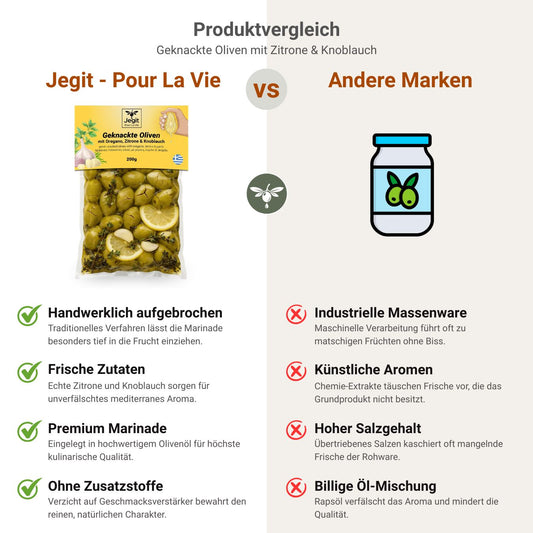
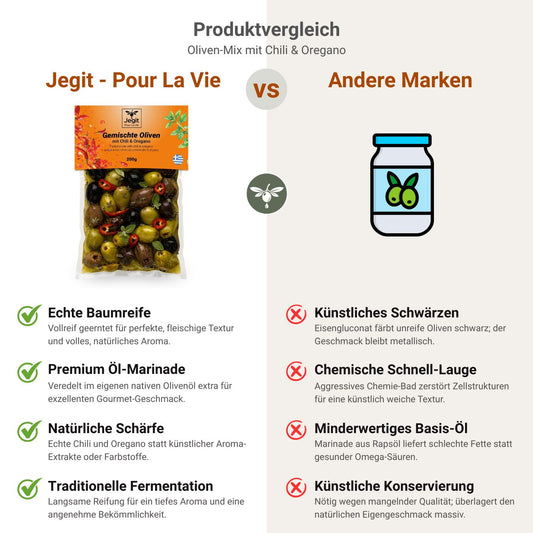
- Fill the gaps with olives and vegetables. Tuck in a variety of Greek marinated olives, sun-dried tomatoes and roasted peppers to add colour and salty contrast.
- Bridge with bread and crackers. Fan crusty bread, breadsticks and crackers along one edge or in a cluster, so there is always something to build a bite on.
- Finish with fresh touches. A few cherry tomatoes, sprigs of oregano or thyme and a drizzle of good olive oil pull the whole board together.
What to put on a Mediterranean board
Aim for balance: something salty (olives, feta), something rich (aged cheese, cured meat), something fresh (tomatoes, cucumber, herbs) and something to carry it all (bread). A mix of olive varieties does a lot of the work on its own — mild green olives, dark Kalamata and cracked olives with garlic give three flavours from one ingredient. Keep quantities modest and refill as you go, so the board always looks abundant rather than picked over.
Caring for your olive wood board
Olive wood is robust but it is still natural wood, so treat it kindly and it will outlive most of your kitchen.
- Hand wash only. Wipe with warm water and a little mild soap, then dry immediately with a towel. Never put olive wood in the dishwasher, and do not leave it soaking.
- Let it dry flat. Dry it standing up or flat with air on both sides to prevent warping.
- Oil it now and then. When the surface starts to look dry or pale, rub in a thin coat of food-safe oil (a dedicated cutting-board oil, or a neutral food oil), leave it overnight and wipe off the excess. Once a month is plenty for a well-used board.
- Refresh scents naturally. If the board picks up a strong smell of garlic or onion, rub it with half a lemon and a little coarse salt, then rinse.
Frequently asked questions
Can I use an olive wood serving board as a cutting board too?
You can, for light tasks like slicing bread, cheese or fruit at the table. For heavy daily chopping, a thicker dedicated cutting board is kinder to both the wood and your knives — keep your serving board mainly for presenting food so it stays beautiful.
Is olive wood hygienic for food?
Yes. Olive wood's dense, tight grain absorbs very little moisture, which naturally limits bacteria. Combined with prompt hand washing and occasional oiling, it is an excellent, safe surface for serving.
How do I stop my board from cracking?
Cracks come from extremes: soaking, the dishwasher, or drying out completely. Avoid all three — wash quickly by hand, dry it, and oil it occasionally — and an olive wood board will stay sound for many years.
Set a more beautiful table
A handmade olive wood board is the kind of piece you reach for again and again — for a weeknight cheese plate, a long lunch with friends, or a festive spread. Choose one solid, well-finished board, style it with a generous mix of olives and cheese, and give it a little care. It will reward you for years. Pour La Vie.