Spanakorizo: The Classic Greek Spinach Rice Cooked in Olive Oil
Warming, savoury and gently lemony, spanakorizo is one of the great comfort dishes of the Greek kitchen. The name is refreshingly literal: spanaki means spinach and rizo means rice, and together they make a soft, glossy one-pot where sweet onion, fresh dill and a good pour of extra virgin olive oil do all the heavy lifting. It is humble, thrifty and quietly delicious — the kind of food Greek families have cooked for generations.
Like many Greek vegetable dishes, spanakorizo sits in the ladera tradition, cooked slowly with plenty of olive oil until everything melts together. It is naturally vegan, comes together in one pan and tastes even better with a squeeze of lemon at the table. Here is how to make an authentic pot at home.
What is spanakorizo?
Spanakorizo is a traditional Greek spinach-and-rice dish, somewhere between a loose pilaf and a soft risotto. The spinach cooks down into a savoury green base, the rice absorbs all that flavour, and olive oil ties it together into something silky and satisfying. It can be served slightly soupy (soupy, as many Greek cooks prefer) or drier, more like a pilaf — both are correct.
Because it relies only on vegetables, rice and olive oil, spanakorizo is a classic of the Greek fasting table and an everyday favourite year-round. It works as a light main, a generous side beside grilled fish or chicken, or part of a bigger spread.
Why olive oil matters here
In a ladera dish, olive oil is not a cooking afterthought; it is a defining flavour. It softens the onion at the start, gives the finished rice its glossy sheen, and rounds out the fresh, green taste of the spinach and dill. A dull, neutral oil leaves spanakorizo flat.
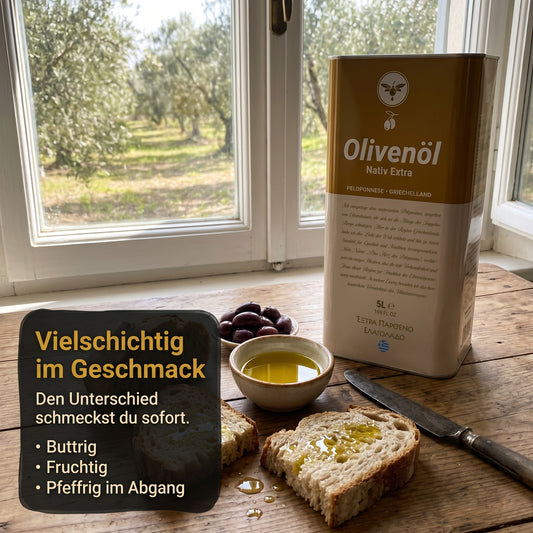
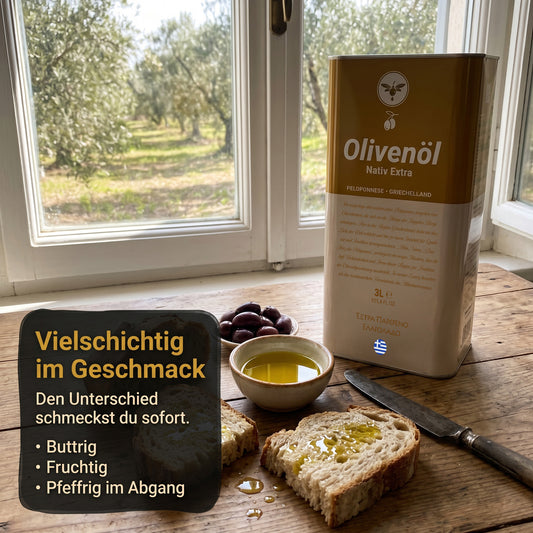
A fruity, peppery extra virgin olive oil from the Peloponnese gives the dish depth and a lovely buttery finish. Use a good amount while cooking, then add a raw drizzle at the end — that final spoonful is what makes it taste truly Greek.
Choosing your spinach and rice
Fresh spinach gives the best texture and colour, but good-quality frozen leaf spinach is a reliable shortcut — simply thaw and squeeze out the excess water first. Baby spinach works too and needs barely any chopping.
For the rice, a medium-grain variety (such as Arborio or a Greek glasé rice) gives a pleasant, slightly creamy result, while long-grain rice keeps the grains more separate and pilaf-like. Both are traditional in different Greek homes, so use whichever you prefer.
Ingredients
Serves 4 as a main, or 6 as a side.
- 500 g fresh spinach (or 400 g frozen leaf spinach, thawed and squeezed)
- 90 ml extra virgin olive oil, plus extra to finish
- 1 large onion, finely chopped
- 3 spring onions, sliced
- 200 g medium- or long-grain rice
- 1 large handful of fresh dill, chopped
- 600 ml hot water or light vegetable stock
- Juice of 1 lemon, plus wedges to serve
- Sea salt and freshly ground black pepper
- To serve: crumbled feta and a bowl of black Kalamata olives
How to make spanakorizo
- Soften the onions. Warm the olive oil in a wide, deep pan over a medium-low heat. Add the chopped onion and spring onions with a pinch of salt and cook gently for 6–8 minutes until soft and sweet.
- Wilt the spinach. Add the spinach in handfuls, stirring until it collapses down. If using frozen, simply stir it in and let any water cook off.
- Toast the rice. Stir in the rice and let it cook for a minute so it takes on the oil and aromatics.
- Simmer. Pour in the hot water or stock, season well and bring to a gentle simmer. Cover and cook for 15–18 minutes, stirring now and then, until the rice is tender and most of the liquid is absorbed. Add a splash more water if it looks dry.
- Finish. Turn off the heat and stir through the dill and lemon juice. Add a generous final drizzle of raw olive oil and check the seasoning.
- Rest. Cover and let it sit for 5–10 minutes. The rice relaxes and the flavours settle before serving.
Tips for the best spanakorizo
- Do not skimp on oil. This is a ladera dish; the olive oil is a main ingredient, not a garnish.
- Squeeze frozen spinach well. Excess water makes the rice mushy and dilutes the flavour.
- Add lemon off the heat. Stirring it in at the end keeps the flavour bright and fresh.
- Leftovers keep beautifully. Spanakorizo is excellent the next day, warm or at room temperature.
How to serve spanakorizo
Spanakorizo is wonderful on its own with a squeeze of lemon, but it truly shines with a few classic Greek partners. Crumble over some feta, add a bowl of black Kalamata olives and serve with crusty bread. It also makes a superb side for grilled fish, roast chicken or lamb. Whatever you serve alongside, finish each plate with one more thread of good olive oil.
Frequently asked questions
Is spanakorizo vegan?
Yes. In its traditional form spanakorizo is made only from spinach, rice, onion, herbs and olive oil, which makes it naturally vegan and a favourite of the Greek fasting table. Just leave off the feta to keep it fully plant-based.
Can I use frozen spinach?
Absolutely. Thaw it fully and squeeze out as much water as you can before adding it, so the rice does not turn watery. Around 400 g of frozen leaf spinach replaces 500 g of fresh.
Should spanakorizo be soupy or dry?
Both versions are authentic. For a looser, soupier texture add a little extra water or stock; for a drier, pilaf-style finish, use slightly less liquid and let it cook a touch longer. Suit it to your own taste.
Our product tip
Premium Extra Virgin Olive Oil from the Peloponnese
Hand-harvested, naturally cloudy and rich in polyphenols — the fruity, peppery heart of every authentic ladera dish.
Shop Peloponnese Olive OilSpanakorizo proves that the simplest Greek dishes are often the most comforting. With fresh spinach, a handful of dill and a generous pour of good olive oil, an everyday pot of rice becomes something you will make again and again. Cook it slowly, finish it with lemon and oil, and taste the Mediterranean — Pour La Vie.