Skordalia: The Classic Greek Garlic and Olive Oil Dip
Few dishes capture the soul of the Greek table quite like skordalia — a thick, garlicky purée bound together with generous amounts of good olive oil. It is punchy, rustic and unapologetically bold, the kind of dip that turns a plate of fried vegetables or grilled fish into a feast. If you have ever searched for a proper Mediterranean garlic cream (mediterrane Knoblauchcreme), skordalia is the authentic Greek original you have been looking for.
The beauty of skordalia lies in its simplicity. There is no cream, no butter and no long list of ingredients — just garlic, a starchy base, a little acidity to brighten it, and a steady stream of extra virgin olive oil that carries the flavour and gives the dip its luxurious, emulsified texture. Get the olive oil right and everything else falls into place.
What Is Skordalia?
Skordalia (σκορδαλιά) is a traditional Greek garlic dip whose name comes from skordo, the Greek word for garlic. It has been part of Greek cooking for centuries and appears all over the country, from the islands to the mainland, in countless regional variations. At its heart it is an emulsion: raw garlic and salt are pounded to a paste, a starchy base is worked in, and olive oil is added slowly until the mixture turns pale, thick and glossy.
Traditionally it is served as part of a meze spread, or as a companion to fried and grilled foods. On Greek tables it is especially associated with fried salt cod, with beetroot, and with fried courgettes — but it is just as happy next to warm bread, boiled greens or a plate of crudités.
Potato or Bread? The Two Classic Styles
There are two classic ways to build skordalia, and Greek families argue happily about which is best.
The potato version
The most popular style today uses boiled potatoes, mashed until smooth. It gives a fluffy, comforting dip that is naturally gluten-free and forgiving for beginners. The trick is to mash the potatoes while they are still warm and to avoid overworking them, which can turn the texture gluey.
The bread version
The older, more rustic style uses day-old bread — crusts removed, soaked in water and squeezed dry. It produces a lighter, tangier result that many purists consider the true original. You can also combine the two for a texture that is both fluffy and structured.
Why Olive Oil Is the Heart of Skordalia
Skordalia is, above all, a way to taste really good olive oil. Because there is so little else in the recipe, the oil is not a background note — it is the dish. A flat, tired oil makes a flat, tired dip, while a fresh, fragrant extra virgin oil brings the whole thing to life with a peppery finish that balances the sharp garlic.
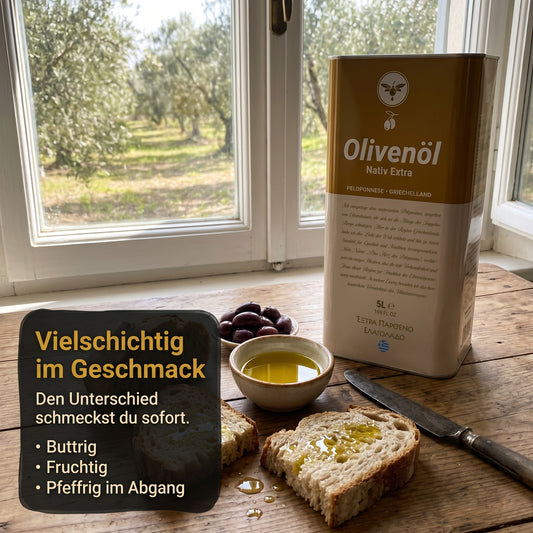
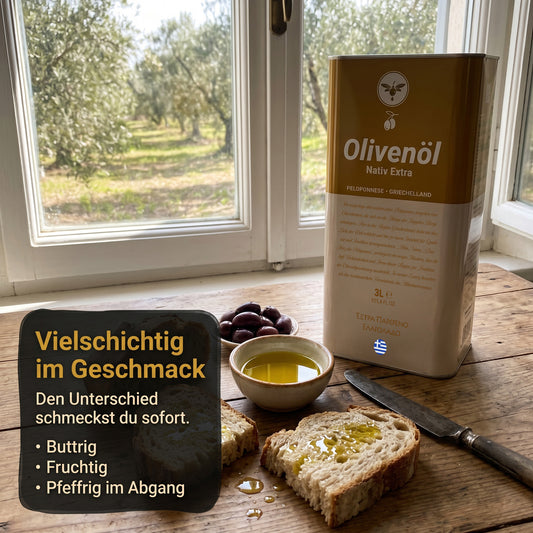
This is why we make ours with extra virgin olive oil from the Peloponnese. Hand-harvested, unfiltered and cold-extracted, it has the spicy, buttery, peppery character that stands up to raw garlic without being overwhelmed. Add it slowly and let it emulsify, and you will watch the dip turn silky and pale — Pour La Vie in a bowl.
Ingredients
Makes about 4 servings as a meze.
- 4 medium floury potatoes (about 500 g), peeled
- 4–6 cloves of garlic, peeled
- 150 ml extra virgin olive oil from the Peloponnese
- 2–3 tablespoons red wine vinegar (or fresh lemon juice)
- Sea salt, to taste
- 2–3 tablespoons cold water, if needed
How to Make Skordalia (Step by Step)
- Boil the potatoes. Cut the peeled potatoes into even chunks and simmer in salted water until completely soft, about 15–20 minutes. Drain well and let the steam escape for a minute so they are not watery.
- Make the garlic paste. While the potatoes cook, pound the garlic cloves with a good pinch of sea salt using a mortar and pestle until you have a smooth paste. The salt acts as an abrasive and tames the raw bite. No mortar? Grate the garlic finely or crush it with the flat of a knife.
- Mash the potatoes. Mash the warm potatoes until smooth, then stir in the garlic paste. Work gently with a fork or wooden spoon rather than a blender, which can make the dip gluey.
- Add the olive oil slowly. This is the crucial step. Pour the olive oil in a thin, steady stream while stirring constantly, letting each addition disappear before adding more. The mixture will gradually turn pale, thick and creamy as it emulsifies.
- Brighten and season. Stir in the vinegar or lemon juice, then taste. Adjust with more salt, acid or a splash of cold water until the balance of garlic, salt and tang is exactly to your liking.
- Rest and serve. Let the skordalia sit for 15 minutes so the flavours settle, then finish with a final drizzle of olive oil on top.
Tips for the Silkiest Texture
Keep everything at room temperature and add the oil slowly — a rushed pour is the main reason a dip splits or turns oily. If it does become greasy, whisk in a tablespoon of cold water to bring it back together. Start with less garlic than you think you want; it grows stronger as the dip rests. And always taste at the end, because a great skordalia is all about balance.
How to Serve Skordalia
Skordalia is endlessly versatile. Serve it as a dip with warm pitta or crusty bread, spoon it alongside fried or grilled fish, or pair it with roasted beetroot, fried courgettes or aubergines. It also makes a wonderful spread for a mezze board next to olives and a drizzle of the same olive oil. However you serve it, a final swirl of good extra virgin oil on top is what turns a simple garlic dip into something memorable.
Frequently Asked Questions
Is skordalia the same as aioli?
They are cousins, not twins. Both are garlic-and-oil emulsions, but aioli is built on egg yolk or is made purely from garlic and oil, giving a mayonnaise-like sauce. Skordalia uses a starchy base of potato or bread instead, which makes it thicker, more rustic and dairy- and egg-free.
How long does skordalia keep?
Stored in an airtight container in the fridge, skordalia keeps for up to three days. The garlic flavour intensifies over time, so you may want to make it a touch milder if serving the next day. Bring it back to room temperature and stir in a little olive oil before serving.
Can I make skordalia milder?
Yes. For a gentler version, blanch the peeled garlic cloves in boiling water for a minute or two before pounding them — this softens the raw pungency while keeping the flavour. Using slightly less garlic and a little more potato also mellows the result.
Our product tip
Extra Virgin Olive Oil 500ml from the Peloponnese
Hand-harvested, unfiltered and cold-extracted — the spicy, buttery, peppery oil that makes skordalia sing.
Shop the olive oilSkordalia is proof that a handful of humble ingredients, treated with care, can taste extraordinary. Choose a fresh, fragrant olive oil, take your time with the emulsion, and you will have a Greek classic that earns its place at any table. From our kitchen to yours — Pour La Vie.