Sicilian Swordfish alla Ghiotta: The 30-Minute Olive Oil Braise Where the Oil and Green Olives Carry the Whole Dish

Along the Messina strait, where Sicily almost touches the mainland, swordfish is king — and pesce spada alla ghiotta is how the island treats it best. Don't let the fancy name fool you: this is a humble, one-pan tomato braise built on three cheap, honest ingredients — tomatoes, green olives and capers — and one that is anything but humble. The olive oil is the soul of the dish. It sears the fish, softens the vegetables, carries the sauce and finishes the plate raw at the end. Use a flat supermarket oil and the whole thing tastes muted. Use a proper, peppery extra virgin and it sings. That is the difference between a pleasant midweek dinner and a plate people remember.
You can have it on the table in about 30 minutes, and it needs nothing more than good bread or a few boiled potatoes alongside. If you want it to taste the way it does on the Sicilian coast, start with the right oil: our extra virgin olive oil from the Peloponnese is the one we reach for every time.
Why this dish lives and dies by the olive oil
A ghiotta has almost nowhere to hide. There is no cream, no butter, no stock cube doing the heavy lifting — just fish, tomato, olives, capers and oil. That means the oil isn't a background fat; it is a headline flavour. A cheap refined oil brings nothing but grease. A living extra virgin brings a green, peppery, slightly bitter backbone that balances the sweetness of the tomatoes and the salt of the olives and capers.
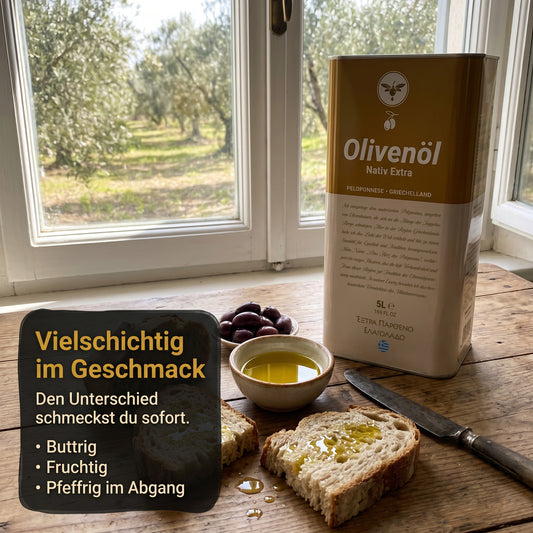
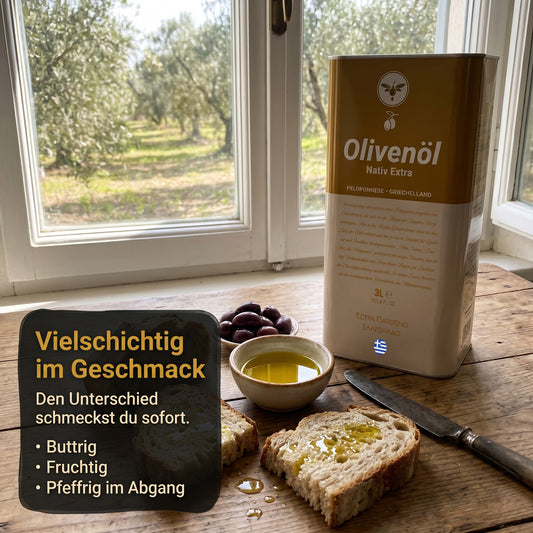
Our Peloponnese oil is built for exactly this job. It is traditionally hand-harvested and extracted by cold mechanical pressing only, so it keeps its aroma. It is naturally cloudy and unfiltered, lab-tested for low acidity and rich in polyphenols — those are the compounds behind that peppery kick in your throat — and verified free from mineral-oil residues. It is also heat-stable up to 180°C without forming trans fats, so the same bottle that gently sears your swordfish is the one you drizzle over the finished plate. Secure a bottle of our Peloponnese olive oil here and you will taste the difference in the first spoonful of sauce.
Ingredients (serves 4)
Everything here is a pantry staple except the fish — and two of the stars are things you should always have in the cupboard.
- 4 swordfish steaks, about 150–180 g each
- 6 tbsp extra virgin olive oil (3 for cooking, 3 for finishing)
- 1 onion, finely sliced
- 2 celery sticks, finely diced
- 2 garlic cloves, sliced
- 400 g cherry tomatoes, halved (or 1 tin of good chopped tomatoes)
- 2 tbsp tomato passata
- 120 g green olives, pitted and halved
- 2 tbsp capers, rinsed
- 100 ml dry white wine (optional)
- a small bunch of fresh basil
- sea salt and freshly ground black pepper
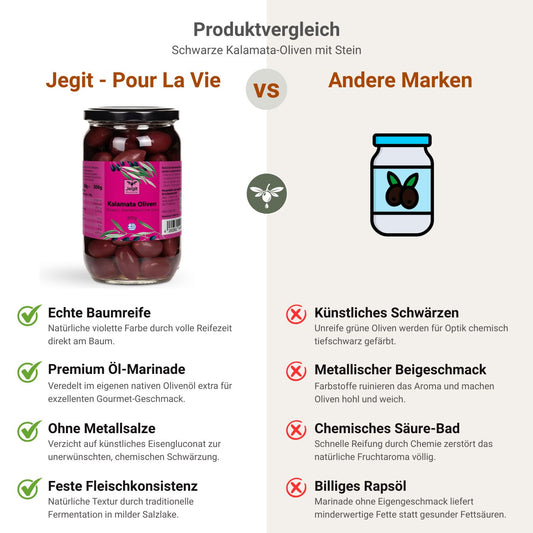
A quick word on the olives: skip the dull, dyed-black supermarket kind. Our green Chalkidiki olives are naturally fermented in nothing but brine and vinegar, with a firm bite and a mild, fruity aroma that holds up beautifully in a hot sauce. Pit and halve them just before you cook. Add a jar to your order here — they disappear fast once you start snacking on them.
Method
- Sear the swordfish. Pat the steaks completely dry and season both sides. Heat 3 tbsp of olive oil in a large, deep frying pan over a medium-high heat. Sear the swordfish for about 1 minute per side — just to colour, not to cook through — then lift it out onto a plate.
- Build the base. Lower the heat to medium and add the remaining 3 tbsp of olive oil. Soften the onion and celery gently for 6–8 minutes until sweet and translucent, then add the garlic and cook for one more minute.
- Make the sauce. Pour in the white wine, if using, and let it bubble away for a minute. Add the tomatoes and passata, season lightly, and simmer for about 10 minutes until the sauce is glossy and slightly thickened.
- Add the salty heart. Stir in the green olives and capers and let them cook into the sauce for 5 minutes. Taste now — the olives and capers bring the salt, so you may need very little extra.
- Finish the fish in the sauce. Nestle the swordfish steaks back into the pan, spoon the sauce over the top, cover, and simmer gently for 6–8 minutes until the fish is just cooked through and still juicy.
- The last, crucial drizzle. Take the pan off the heat, tear in the basil and finish with the final 3 tbsp of raw olive oil poured straight over the top. Let it rest for 2 minutes so the oil perfumes everything, then serve.
That closing drizzle of raw oil is not optional — it is where most of the flavour lives. Cooking mutes an oil; a raw finish lets its peppery, buttery character bloom across the whole pan. If your bottle is running low, top up with our Peloponnese extra virgin here before your next cook.
Tips and variations
Make it a bigger meal. Slide a few par-boiled potato chunks into the sauce at step 3 so they soak up the tomato and oil. No swordfish? Thick tuna steaks or a meaty white fish like cod or halibut work with the same method. Want more warmth? A pinch of chilli flakes with the garlic suits the dish beautifully. Whatever you change, keep the two non-negotiables: a genuinely good extra virgin olive oil, and real, naturally cured olives.
Frequently asked questions
Can I cook swordfish in extra virgin olive oil, or will it burn?
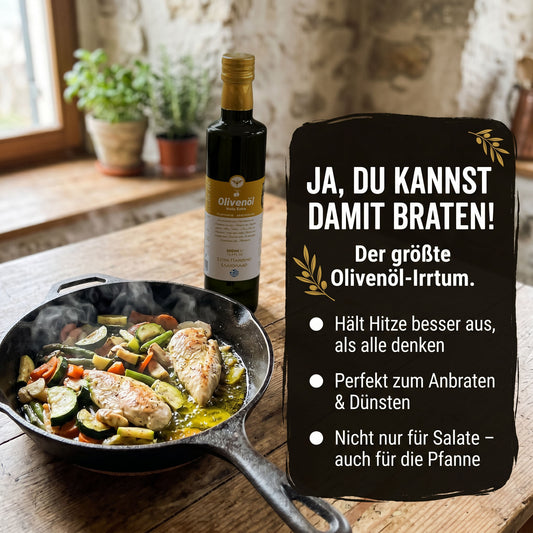
You can, and you should. Our Peloponnese extra virgin is heat-stable up to 180°C without forming trans fats, which comfortably covers a medium-high sear. Just keep the pan at a sensible heat rather than smoking hot, and you get all the flavour with none of the worry.
Do I have to use green olives, or can I use black Kalamata?
Traditional alla ghiotta uses green olives for their firm bite and mild, fruity sharpness, which is why we reach for our green Chalkidiki variety. Black Kalamata olives are richer and work too — the dish simply becomes deeper and more savoury. Either way, use naturally cured olives, not dyed ones.
What should I serve with it?
Keep it Sicilian and simple: crusty bread to mop the sauce, boiled or roasted potatoes, or a plate of plain rice. A sharp green salad dressed with the same olive oil and a squeeze of lemon rounds it off perfectly.
Our product tip
Extra Virgin Olive Oil from the Peloponnese
Hand-harvested, naturally cloudy and unfiltered, lab-tested for low acidity and rich in polyphenols — the peppery, buttery oil that turns this braise from good to unforgettable.
Shop the olive oilSicilian cooking proves a quiet truth: when a dish has this few ingredients, quality is everything. Start with a living, peppery extra virgin and real naturally fermented olives, and a 30-minute braise tastes like the Mediterranean coast. Order your Peloponnese olive oil today and taste the difference for yourself — Pour La Vie.

Danish Honey-Mustard Chicken Traybake (Honningssennep): The 45-Minute Nordic Dinner Where the Thyme Honey Makes the Glaze
A Danish honey-mustard chicken traybake ready in 45 minutes - juicy thighs, roasted roots and a sticky glaze made with raw Greek...

Greek Beef Youvetsi: The Slow-Baked Orzo Main Course Where the Olive Oil Carries the Whole Dish
Greek beef youvetsi: fork-tender beef and orzo slow-baked in a cinnamon-tomato sauce, built on hand-harvested Peloponnese extra virgin olive oil.

Warm Marinated Olives with Orange, Garlic & Rosemary: The 10-Minute Festive Appetiser Everyone Reaches For
Warm Greek olives in peppery, hand-harvested Peloponnese olive oil with orange, garlic and rosemary — the easy 10-minute festive appetiser everyone loves.