Revithada: The Greek Slow-Baked Chickpeas in Olive Oil and Lemon
On the Cycladic island of Sifnos, Sunday has a smell: chickpeas and onions baking slowly in a sealed clay pot, filling the house with something warm and savoury while the family is out. This is revithada — the island’s famous slow-baked chickpeas, cooked for hours in nothing more than good extra virgin olive oil, onion, a bay leaf and a squeeze of lemon. There is no tomato, no stock cube, no shortcut. The magic is entirely in the slow cooking and the quality of the oil.
It is one of the purest expressions of the Greek ladera tradition — dishes cooked in generous amounts of olive oil until the oil itself becomes the sauce. Revithada is humble, naturally vegan, and astonishingly good: creamy chickpeas, a brothy, lemony olive oil liquor, and the sweet depth that only hours in a low oven can give. Here is how to make it properly.
What Is Revithada?
Revithada (ρεβιθαδα) takes its name from revithia, the Greek word for chickpeas. Traditionally it is cooked in a skepastaria or tsoukali — a round, lidded clay pot — and left overnight in the dying heat of a wood-fired bread oven. In the past, families would carry their sealed pots to the village baker on Saturday evening and collect the finished dish on Sunday after church.
You don’t need a wood oven or a clay pot to make a wonderful version at home. A heavy casserole with a tight lid and a low domestic oven will give you the same meltingly soft chickpeas and rich, savoury broth. What you cannot skip is time: revithada is a dish that rewards patience.
Why Olive Oil Does All the Work
With so few ingredients, there is nowhere for a poor olive oil to hide. In revithada the oil is not a background note — it is the sauce. As the chickpeas soften, they release their starch into the liquid, the onions melt down to sweetness, and the olive oil binds it all into a glossy, almost velvety broth. A flat, refined oil gives you a flat dish. A living, fruity oil gives you depth, aroma and a gentle peppery warmth in the finish.
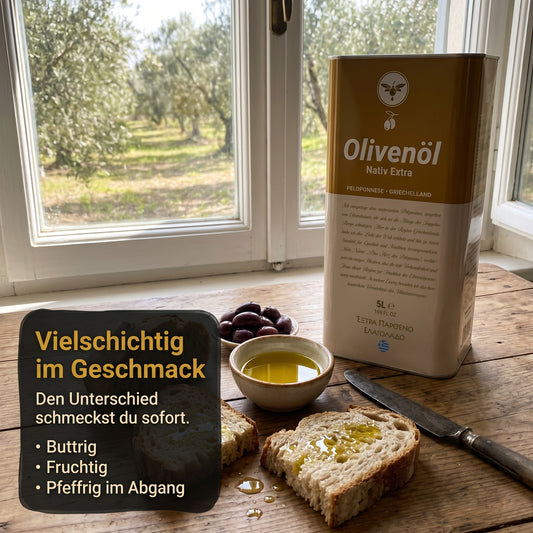
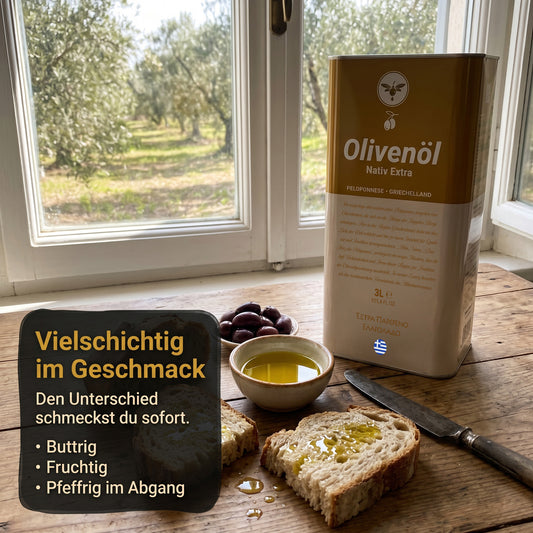
This is why we reach for our extra virgin olive oil from the Peloponnese. Hand-harvested, naturally cloudy and unfiltered, with a spicy, buttery, peppery character, it holds its own through long, slow baking and still tastes vivid when you add that final raw drizzle at the table. In a dish this pared-back, the oil is the difference between good and unforgettable.
Ingredients
Serves 4–6. You will need a lidded casserole or clay pot.
- 500 g dried chickpeas
- 1 teaspoon bicarbonate of soda (for soaking)
- 120 ml extra virgin olive oil, plus more to finish
- 2 large onions, finely chopped or grated
- 2 bay leaves
- 1 teaspoon dried oregano or a few sprigs of rosemary (optional)
- Juice of 1–2 lemons, to taste
- Sea salt and freshly ground black pepper
- Hot water, to cover
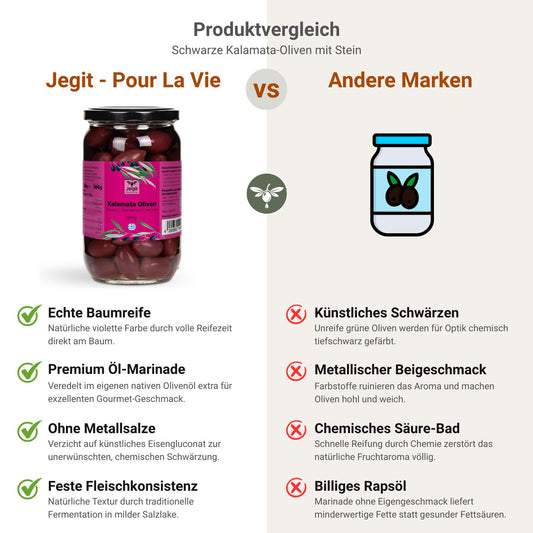
To serve, a bowl of black Kalamata olives, crusty bread and perhaps a little feta turn revithada into a full island lunch.
Method
- Soak overnight. Put the chickpeas in a large bowl, stir in the bicarbonate of soda, and cover generously with cold water. Leave for at least 12 hours, or overnight. They will roughly double in size; the soda helps them cook tender.
- Rinse well. Drain and rinse the chickpeas thoroughly under cold running water to wash off the soda. Some cooks like to rub them to loosen a few skins, but this is optional.
- Soften the onions. Preheat the oven to 150 °C. In your casserole, warm half the olive oil over medium heat and cook the onions gently for 8–10 minutes until soft and translucent. This sweet onion base is the backbone of the dish.
- Combine. Add the drained chickpeas, bay leaves, oregano or rosemary, the remaining olive oil, and a good pinch of salt and pepper. Pour in enough hot water to cover the chickpeas by about two fingers’ width.
- Bake low and slow. Bring to a gentle simmer on the hob, then cover tightly and transfer to the oven. Bake for 3 to 4 hours, checking once or twice and topping up with a little hot water if it looks dry. The chickpeas should become completely tender and the liquid should reduce to a rich, oily broth.
- Finish with lemon. Remove from the oven, discard the bay leaves, and stir through the lemon juice. Taste and adjust the salt, pepper and lemon — it should be savoury, bright and a little tangy. Add a final generous drizzle of raw olive oil.
- Rest and serve. Let it sit for 10–15 minutes. Like most ladera dishes, revithada is best warm or at room temperature, and even better the next day.
Tips for Perfect Revithada
Cook lower than you think
A low oven is the whole secret. Too high and the chickpeas burst and the liquid boils away before they soften. Keep it gentle and give it the hours it needs; the texture you are after is creamy, not firm.
Be generous with the oil
This is not the dish to economise on olive oil. The oil creates the broth, carries the flavour and gives the chickpeas their silky finish. A fruity, peppery extra virgin oil pays you back in every spoonful.
Add lemon at the end
Lemon loses its brightness if it cooks for hours, so stir it in only once the chickpeas are done. Start with one lemon, taste, and add more until the dish sings.
How to Serve Revithada
Revithada is traditionally a one-pot Sunday meal, served simply with bread to mop up the lemony broth. Round it out with a plate of Kalamata olives, a wedge of feta, and a crisp green salad dressed with more olive oil. A final flourish of good oil just before serving ties everything together.
Frequently Asked Questions
Can I make revithada with tinned chickpeas?
You can, when time is short, though you lose some of the deep flavour that long cooking of dried chickpeas gives. Use about three tins, drained and rinsed, soften the onions in olive oil, add the chickpeas with just enough water to half-cover, and bake at 160 °C for around 45–60 minutes before finishing with lemon.
Do I really need to bake it for hours?
For the authentic texture, yes. The long, slow bake is what turns simple chickpeas into something creamy and rich, and what gives the broth its character. If you are short on time, a pressure cooker can shorten the process, but the oven method is worth the wait.
Which olive oil is best for revithada?
Because the oil is the sauce, choose a genuine extra virgin olive oil with real flavour. Our Peloponnese extra virgin olive oil is fruity and peppery enough to flavour the whole dish during baking, and bright enough to finish it raw at the table.
Our Product Tip
Extra Virgin Olive Oil from the Peloponnese
Hand-harvested, naturally cloudy and unfiltered — the fruity, peppery oil that becomes the sauce in a true revithada.
Shop the Olive OilGive revithada the long, slow afternoon it asks for, pour the olive oil with an open hand, and you will taste why Sifnos has treasured this dish for generations. Simple, natural and made to be shared — Pour La Vie.