Patates Lemonates: Greek Lemon Potatoes Roasted in Olive Oil
Few side dishes capture the Greek table quite like patates lemonates – lemon potatoes that are slow-roasted until they are meltingly soft on the inside and burnished gold at the edges. There is no cream, no butter and no fuss. The magic comes from three humble things done well: good potatoes, plenty of lemon, and a generous pour of extra virgin olive oil. As the tray bakes, the oil, lemon juice and starchy potato liquid reduce into a glossy, tangy sauce that you will want to mop up with bread.
This is Sunday-lunch food in Greece, the traditional partner to roast chicken or lamb, but it is good enough to eat on its own with a wedge of feta and a spoonful of yoghurt. Below you will find the authentic method, the ratios that matter, and the small details that turn ordinary roast potatoes into something people ask you to make again.
What Makes Patates Lemonates Different
Ordinary roast potatoes are dry-roasted so they crisp all over. Patates lemonates take the opposite approach: the potatoes sit in a shallow bath of lemon, oil and stock, so they braise and roast at the same time. The result is a soft, almost creamy centre and edges that catch and caramelise where they rise above the liquid. The sauce is the whole point, so do not be tempted to pour it away.
The dish belongs to the wider family of Greek ladera cooking, where olive oil is treated as a main ingredient rather than a cooking fat. That means the quality of the oil you use is tasted in every bite, which is why Greek cooks reach for a robust, fruity extra virgin oil here rather than a neutral one.
Choosing Your Ingredients
Use a floury or all-rounder potato such as Maris Piper, King Edward or a Greek-style yellow-fleshed variety. They hold their shape while turning soft and absorbent inside. Waxy salad potatoes will work but stay firmer and soak up less of the sauce.
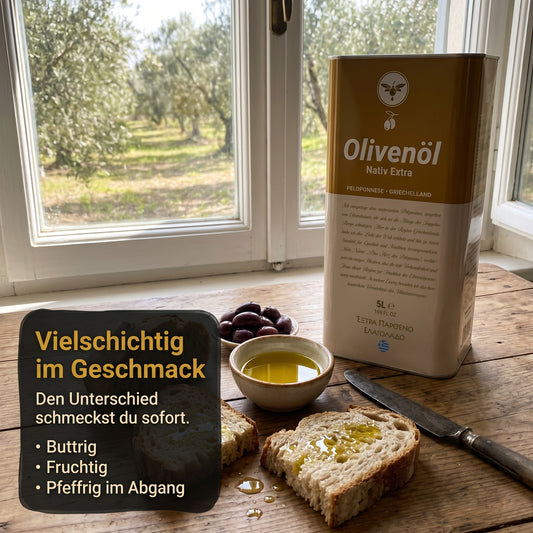
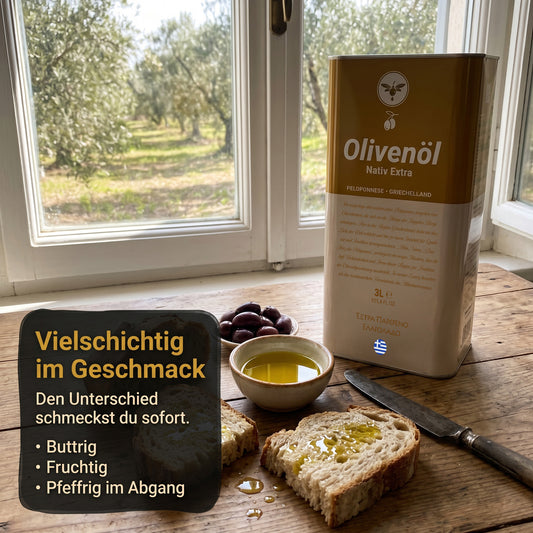
The olive oil is the soul of the dish. A naturally cloudy, unfiltered extra virgin oil with a peppery, buttery character – like our extra virgin olive oil from the Peloponnese – gives the sauce depth and a gentle bitterness that balances the lemon. Fresh lemons, not bottled juice, and dried Greek oregano complete the short list. A little garlic and a pinch of mustard powder are optional but very traditional.
Ingredients
Serves 4 as a side dish. You will need a roasting tin roughly 30 x 20 cm.
- 1 kg floury potatoes, peeled and cut into thick wedges
- 120 ml extra virgin olive oil
- Juice of 2 large lemons (about 100 ml)
- 250 ml hot vegetable or chicken stock
- 3 garlic cloves, lightly crushed
- 2 tsp dried Greek oregano
- 1 tsp Dijon or mustard powder (optional)
- 1 tsp fine sea salt, plus freshly ground black pepper
Method
- Heat your oven to 200°C (180°C fan / gas mark 6). Peel the potatoes and cut them into thick wedges, roughly three or four per potato, so they cook evenly.
- Arrange the wedges in a single snug layer in the roasting tin. They should sit close together but not be piled up.
- In a jug, whisk together the olive oil, lemon juice, hot stock, crushed garlic, oregano, mustard (if using), salt and a good grind of pepper. Pour this evenly over the potatoes.
- The liquid should come about halfway up the potatoes. Give the tin a gentle shake to settle everything and turn each wedge once so all sides are coated in oil.
- Roast uncovered for 40 minutes. Halfway through, turn the potatoes so the exposed edges brown evenly and baste them with the pan juices.
- After 40 minutes, check the liquid. If a lot remains, continue roasting for another 15 to 25 minutes until most of it has reduced to a glossy sauce and the potato tops are golden and slightly caramelised.
- Rest the tin for 5 minutes. Taste the sauce and adjust with a little more salt or a squeeze of lemon. Scatter with extra oregano and a final drizzle of olive oil before serving.
Tips for the Best Lemon Potatoes
Keep the potatoes in a single layer. Crowd them and they steam rather than roast, and the edges never colour. Use two tins if you are doubling the recipe.
Do not skimp on the oil. This is a ladera dish, so the oil is a flavour, not just a lubricant. It emulsifies with the lemon and starch to make the sauce, and much of it is left behind on the plate rather than eaten.
Finish raw. A last drizzle of good extra virgin olive oil after roasting adds a fresh, peppery lift that cooked oil loses, so save a spoonful of your best oil for the end.
How to Serve Them
Patates lemonates are the classic companion to roast chicken, lamb or fish, soaking up the meat juices alongside their own lemony sauce. For a vegetarian meal, serve them with a wedge of feta, a spoonful of thick Greek yoghurt and a simple tomato salad. They are also excellent at room temperature the next day, when the flavours have settled even deeper.
Frequently Asked Questions
Can I make patates lemonates without stock?
Yes. Replace the stock with the same amount of water and a little extra salt. The potatoes release their own starch as they cook, which still thickens the sauce. Stock simply adds a rounder, savoury depth.
Why did my sauce not thicken?
The sauce thickens as the liquid reduces and the potato starch is released, so it usually just needs more time in the oven uncovered. Floury potatoes thicken the sauce more readily than waxy ones, and keeping the wedges in a single layer helps the liquid concentrate.
Which olive oil should I use?
Choose a robust extra virgin olive oil with a fruity, peppery character, since its flavour carries the whole dish. A naturally cloudy, unfiltered Greek oil is ideal. Milder, refined oils will taste flat by comparison.
Our product tip
Extra Virgin Olive Oil from the Peloponnese
Hand-harvested, naturally cloudy and peppery – the ideal oil to carry the lemony sauce of your patates lemonates.
Shop the olive oilPatates lemonates prove how little you need for a memorable dish: potatoes, lemon, oregano and honest olive oil, roasted patiently until they turn golden. Make them once and they will earn a permanent place at your table. Kali orexi and, as always, Pour La Vie.