Olive Oil Bread Dip: The Best Way to Serve Olive Oil for Dipping Bread
Few things say Mediterranean table quite like a shallow dish of good olive oil, a scatter of herbs, and a basket of warm, crusty bread to tear and dip. It is the simplest starter in the world — no cooking, barely any chopping — and yet it lives or dies on one thing: the oil. Get that right and a five-minute bread dip becomes the moment everyone reaches for first.
This is our take on the classic olive oil bread dip, the kind you meet in coastal tavernas and Italian trattorias. Below you will find the exact ratios we use, the herbs and aromatics that make it sing, and a few honest tips on choosing the best olive oil for dipping bread. Pour La Vie.
Why olive oil bread dip is all about the oil
When you fry or bake with olive oil, its flavour softens and blends into the dish. In a bread dip there is nowhere to hide: the oil is the dish. You are tasting it neat, at room temperature, on a plain canvas of bread. That is why a supermarket "blend" so often tastes flat here, while a genuine extra virgin olive oil tastes green, peppery and alive.
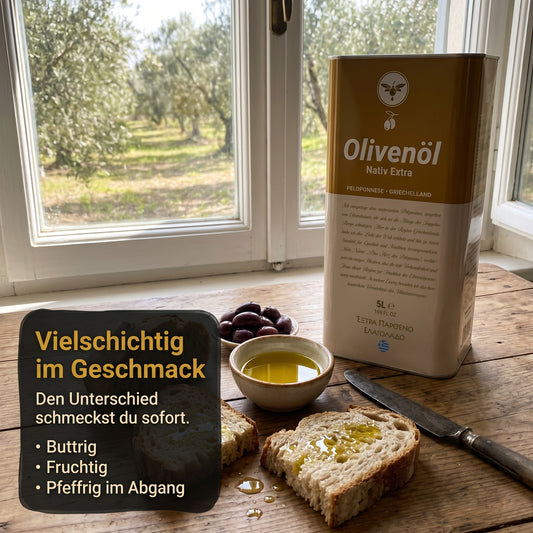
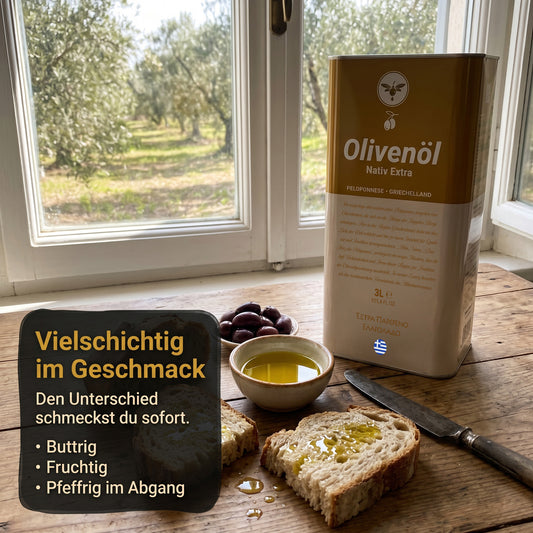
The two qualities that matter most for dipping are freshness and character. A fresh extra virgin oil carries that grassy, almost fruity aroma and the gentle catch at the back of the throat — a sign of the natural polyphenols that give good olive oil its backbone. Our extra virgin olive oil from the Peloponnese is hand-harvested, naturally cloudy and unfiltered, with a buttery-yet-peppery profile that stands up beautifully on its own. That is exactly what you want when the oil is the star.
Filtered or naturally cloudy?
Many of the most characterful oils are left unfiltered, which is why they look slightly cloudy rather than crystal clear. That haze is simply tiny fragments of olive fruit and a little natural moisture, and it often carries extra flavour. For a bread dip, a naturally cloudy oil is a lovely choice — it reads as rustic and generous, which is the whole spirit of the dish.
Ingredients
This makes enough dip for two to four people as a starter. Everything is flexible — treat the herbs and heat as a starting point and adjust to taste.
- 6 tbsp extra virgin olive oil (the fresher and more peppery, the better)
- 1 small garlic clove, very finely grated or minced
- 1 tsp fresh rosemary, finely chopped
- 1 tsp fresh thyme leaves
- 1 tsp fresh flat-leaf parsley, finely chopped
- ½ tsp dried oregano
- ¼ tsp chilli flakes (optional, for a gentle warmth)
- Finely grated zest of ¼ lemon
- 1 tsp aged balsamic vinegar (optional)
- Flaky sea salt and freshly cracked black pepper, to taste
- 1 crusty loaf — sourdough, ciabatta or a rustic country bread — to serve
Method
- Warm the aromatics (optional but worth it). Add the olive oil and grated garlic to a small pan and warm very gently for one to two minutes, just until the garlic smells fragrant. Do not let it fry or colour — you only want to coax out the flavour and soften the raw bite. Skip this step entirely if you prefer a sharper, fresher garlic note.
- Add the herbs. Take the pan off the heat and stir in the rosemary, thyme, parsley, oregano, chilli flakes and lemon zest. Letting them sit in the warm oil for a few minutes releases their aroma into the dip.
- Season. Add a good pinch of flaky sea salt and a generous grind of black pepper. Taste and adjust — a dip like this usually wants a touch more salt than you expect.
- Pour and finish. Tip the seasoned oil into a shallow, wide bowl or plate so there is plenty of surface to dip into. If you like the sweet-sharp contrast, drizzle the balsamic vinegar over the top so it pools into little beads through the oil.
- Rest, then serve. Give the dip five minutes to come together while you slice or tear the bread. Serve at room temperature, with more oil on hand to top up — because it will disappear fast.
A sweet-and-savoury variation
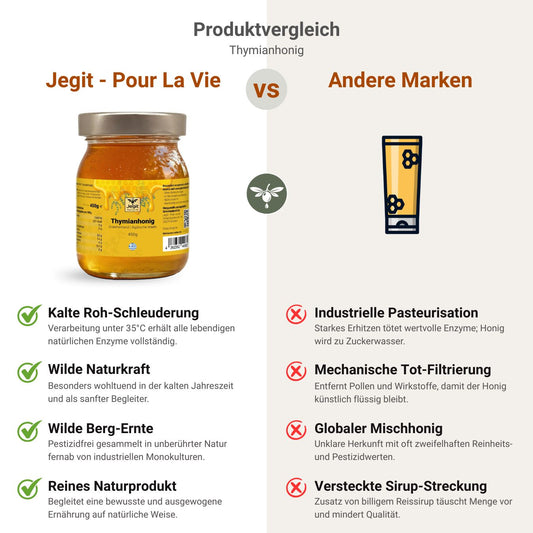
For a dip with a little more intrigue, stir a teaspoon of Greek thyme honey into the warm oil along with the herbs. The floral, faintly resinous honey plays against the peppery oil and a scatter of sea salt in the most moreish way — especially good with a sharp cheese alongside.
How to choose the best olive oil for dipping bread
Because the oil does all the work, it pays to choose well. A few things to look for:
Look for "extra virgin" and a harvest date
Only extra virgin olive oil is cold-extracted and unrefined, which is what preserves the aromatics you actually taste in a dip. Where possible, choose an oil with a recent harvest — olive oil is a fresh product, not one that improves with age, and it is at its most vivid within the first year or so after pressing.
Taste for pepper and fruit
A lively extra virgin oil should taste of something: freshly cut grass, artichoke, green almond, ripe olive, with a peppery finish that can even make you cough a little. That pepper is a good sign, not a fault. A flat, greasy oil with no finish will make a disappointing dip no matter how many herbs you add.
Mind the storage
Heat, light and air are the enemies of good oil. Keep your bottle tightly closed, away from the hob, and use it while it is fresh. If you buy a larger tin or bottle for value, decant a little into a smaller dark bottle for everyday dipping and keep the rest sealed and cool.
Our product tip
Premium Olive Oil 3L from Peloponnese
Hand-harvested, naturally cloudy and unfiltered — a peppery, buttery extra virgin oil that is made for dipping bread.
Shop the olive oilWays to serve it
Once you have the base right, the olive oil bread dip becomes a template. Serve it as a relaxed starter while dinner finishes cooking, as part of a meze spread with olives and cheese, or as the easiest possible contribution to a shared table. Warm the bread briefly in the oven for a few minutes first — a warm crust and a cool, herby oil is a small, perfect thing.
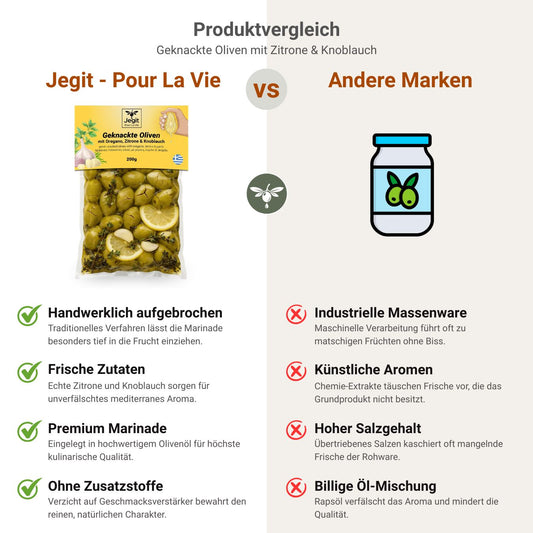
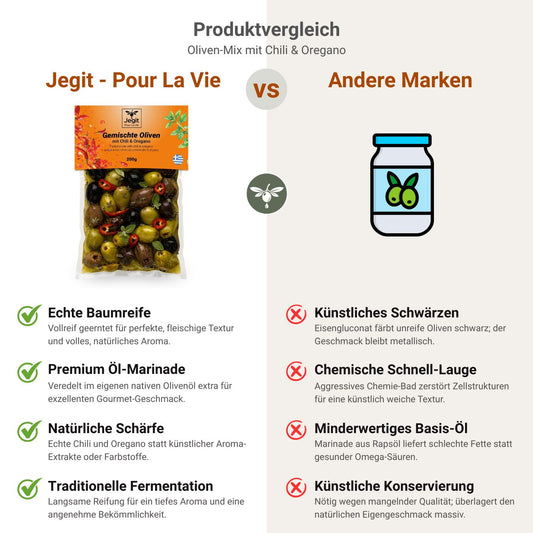
It also makes a generous partner to other Mediterranean bites: a bowl of marinated olives, a wedge of feta, some roasted peppers, or a spoon of tapenade. The dip anchors the plate and invites everyone to slow down and share.
Frequently asked questions
What is the best olive oil for dipping bread?
A fresh extra virgin olive oil with plenty of character — grassy, fruity and peppery — is the best choice, because the oil is tasted neat rather than cooked. A naturally cloudy, unfiltered oil such as our Peloponnese extra virgin is ideal, as its buttery-peppery depth carries the whole dish.
Do I have to warm the olive oil first?
No. Warming the oil gently with the garlic mellows its raw edge and helps the herbs infuse, but it is entirely optional. For a brighter, fresher flavour you can simply whisk everything together cold and let it sit for a few minutes before serving.
How long does olive oil bread dip keep?
It is best enjoyed fresh, on the day you make it. If you have any left over, cover it and keep it in the fridge for up to two days; the oil will solidify when chilled, so let it return to room temperature and give it a stir before serving again. Because fresh garlic is involved, do not keep it longer than that.
Pour La Vie
Great food does not have to be complicated. A dish of honest olive oil, a few herbs from the windowsill and good bread to share is Mediterranean living in its simplest form — natural, generous, and made to be enjoyed slowly. Start with an oil worth tasting, and the rest takes care of itself. Discover our Peloponnese olive oil and taste the difference in your next bread dip. Pour La Vie.