Melitzanosalata: The Smoky Greek Aubergine Dip (Authentic Recipe)
Melitzanosalata is one of those deceptively simple Greek dishes that tastes like a holiday on a plate: smoky, charred aubergines whipped into a silky, garlicky dip and finished with a generous pour of fruity olive oil. Make it once the proper way and it earns a permanent place on your meze table. But here is the honest truth before we even begin — the one thing that lifts a melitzanosalata from “nice” to “unforgettable” is the olive oil. A flat supermarket oil gives you a flat dip; our hand-harvested Extra Virgin Olive Oil from the Peloponnese gives it the peppery, buttery depth that keeps people reaching back into the bowl. Secure your bottle here and let's cook.
What is melitzanosalata?
Melitzanosalata (μελιτζανοσαλάτα) is a classic Greek aubergine dip — the smoky cousin of baba ganoush, but built around olive oil and lemon rather than tahini. Whole aubergines are roasted or grilled until the skins blacken and the flesh turns meltingly soft, then the smoky pulp is mashed with garlic, lemon juice, a little red wine vinegar and plenty of extra virgin olive oil. The result is creamy, tangy and deeply savoury, with a gentle bonfire note that makes it instantly addictive. It is a staple of the Greek meze spread, served cool with warm bread, and it happens to be naturally vegan and gluten-free.
Why your olive oil decides everything
Melitzanosalata has nowhere to hide. There is no cheese, no cream, no stock — just aubergine, aromatics and oil. That means your olive oil isn't a background ingredient; it is the flavour. Pour in a dull, over-refined oil and the dip tastes muddy and one-dimensional. Pour in a living, fruity oil and the whole bowl comes alive.
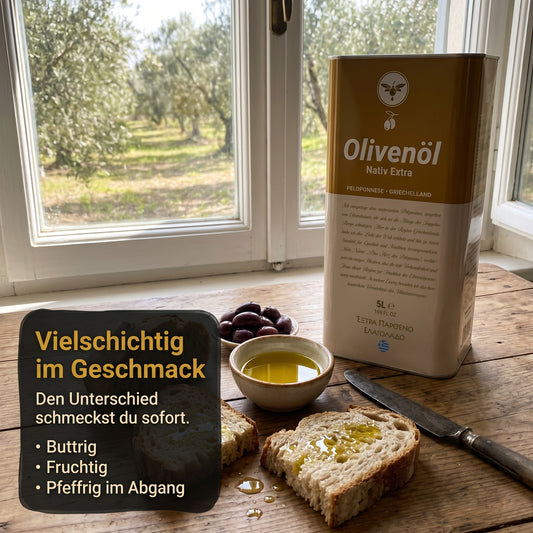
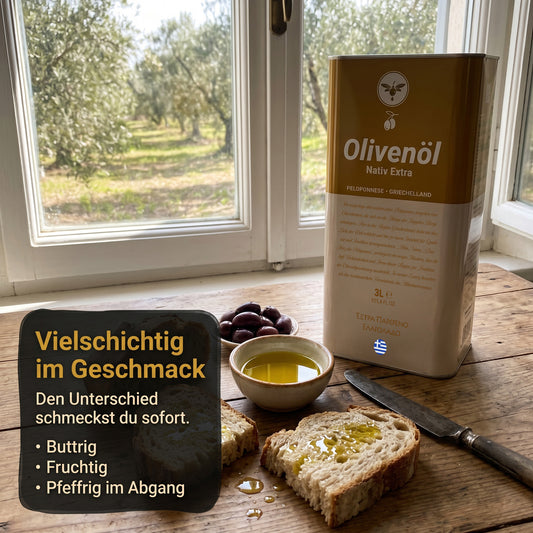
This is exactly where our Extra Virgin Olive Oil from the Peloponnese earns its place. It is hand-harvested and cold mechanically extracted, naturally cloudy and unfiltered, and lab-tested to be low in acidity and rich in polyphenols — the compounds behind that signature peppery tickle at the back of the throat. It is also verified free from mineral-oil residues, so nothing dulls the flavour. The taste is unmistakably Greek: spicy, buttery and peppery, the perfect counterpoint to smoky aubergine. Taste the difference for yourself.
Ingredients
Makes about one generous bowl (serves 4–6 as a meze):
- 2 large aubergines (about 700–800 g)
- 1 small garlic clove, finely grated (or 2 if you like it punchy)
- 2 tbsp fresh lemon juice
- 1 tsp red wine vinegar
- 4–5 tbsp extra virgin olive oil from the Peloponnese, plus more to finish
- 2 tbsp finely chopped flat-leaf parsley
- 1 tbsp finely chopped red onion (optional)
- Sea salt and freshly ground pepper, to taste
- A handful of black Kalamata olives, to garnish
A quick note on quantities: be generous with the oil. This is the one recipe where you should pour with confidence rather than measure nervously. Stock up on the good stuff here so you never run short mid-recipe.
How to make melitzanosalata (step by step)
- Char the aubergines. Prick each aubergine a few times with a fork. Roast over an open gas flame, on a hot barbecue, or under a grill at the highest setting, turning often, until the skin is blackened all over and the flesh has collapsed — about 15–25 minutes. The blacker the skin, the smokier the dip.
- Drain. Pop the charred aubergines into a colander and let them cool and drain for 10–15 minutes. Getting rid of the bitter liquid is the secret to a dip that is creamy, not watery.
- Scoop and chop. Peel off the blackened skin and discard it. Place the soft flesh on a board and chop it with a knife (don't use a blender if you want authentic texture — melitzanosalata should be rustic, not a smooth purée).
- Build the base. Transfer the aubergine to a bowl. Stir in the grated garlic, lemon juice and red wine vinegar and season with salt and pepper.
- Emulsify with olive oil. Now the important part: add the Peloponnese olive oil a little at a time, stirring hard after each addition so it emulsifies into the aubergine. The mixture will turn pale, glossy and creamy. This is where a great oil truly shows itself.
- Finish. Fold in the parsley and red onion. Taste and adjust — more lemon for brightness, more salt for depth, more oil for richness.
- Rest and serve. Let it sit for 20 minutes so the flavours settle. Spoon into a shallow bowl, make a well in the middle, and pour in one last thread of olive oil. Scatter over the Kalamata olives.
That final drizzle isn't a garnish — it's the flavour you taste first. Don't skimp. Make sure your bottle is from the Peloponnese.
Tips for the smokiest, silkiest result
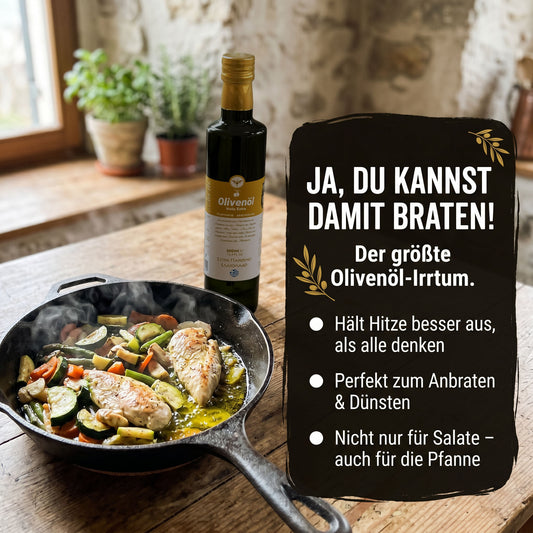
Chase the char: real smokiness only comes from properly blackened skin, so be braver than you think with the flame. Drain thoroughly, because excess moisture is the enemy of a creamy texture. Chop by hand rather than blitzing, to keep that signature rustic bite. And always finish with raw, unheated olive oil — its fresh, peppery aroma is lost when it's cooked, which is why the quality of the oil you pour at the end matters so much.
How to serve melitzanosalata
Serve it cool or at room temperature as part of a Greek meze, alongside warm pita or crusty sourdough. It is wonderful next to a bowl of glossy Kalamata olives, some crumbled feta and a simple tomato salad. It also makes a brilliant spread for sandwiches and wraps, a dip for raw vegetables, or a side for grilled fish and lamb. Whatever you pair it with, a final drizzle of good olive oil ties the whole plate together.
Ready to make the version your friends will ask you to bring every time? Start with the right olive oil — order the Peloponnese extra virgin here.
Frequently asked questions
Can I make melitzanosalata in advance?
Yes — in fact it's better the next day. Store it covered in the fridge for up to three days. Bring it back to room temperature and stir through a fresh thread of olive oil before serving to wake up the flavour.
Should I use a blender?
For authentic melitzanosalata, no. Chopping and mashing by hand keeps the rustic, spoonable texture Greeks love. A blender turns it into a smooth purée, which is closer to baba ganoush than the real thing.
What is the best olive oil for melitzanosalata?
A fresh, fruity, peppery extra virgin olive oil used raw. Because the oil is tasted uncooked, its quality is everything. Our hand-harvested Peloponnese extra virgin — low in acidity, rich in polyphenols and unfiltered — is made exactly for moments like this.
Our product tip
Extra Virgin Olive Oil from the Peloponnese (500 ml)
Hand-harvested, naturally cloudy and unfiltered, lab-tested for low acidity and rich in polyphenols — the fruity, peppery heart of a truly great melitzanosalata.
Taste it nowGreat Greek food is never about doing more — it's about doing a few honest things beautifully. Char the aubergines, be generous with the lemon and garlic, and finish with an olive oil worth tasting on its own. That's the whole secret. Bring the real taste of Greece to your table — Pour La Vie.