Marinated Olives: An Easy Mediterranean Recipe with Herbs, Lemon and Garlic
A bowl of home-marinated olives is one of those small pleasures that makes any table feel a little more generous. Warm, glossy and fragrant with garlic, lemon and herbs, they take five minutes of hands-on work and reward you with something far better than anything sealed in a supermarket tub. The secret is not a clever technique but good olives and good olive oil, given a little time to soak up flavour.
This is the recipe we make again and again: a simple, adaptable marinade built around Greek Kalamata olives and green olives, brightened with citrus and warmed gently in extra virgin olive oil. Serve them as part of a meze spread, alongside cheese and bread, or simply with a glass of something cold on a summer evening.
Why marinate your own olives?
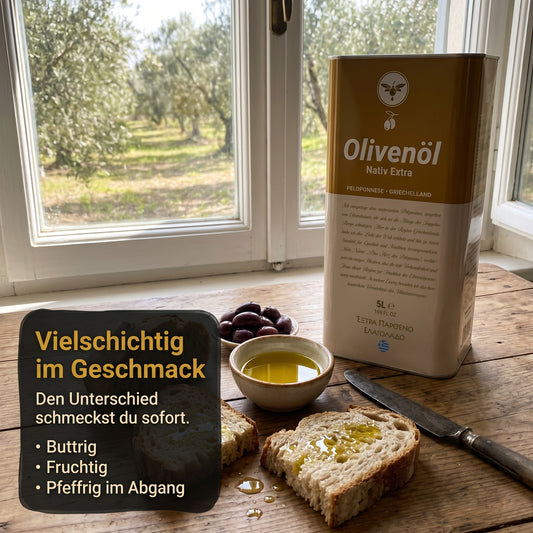
Marinating is the easiest way to turn plain, good-quality olives into a dish with real character. You control exactly what goes in: fresh herbs instead of dried dust, real garlic, proper olive oil rather than a cheap blend. The olives drink up the aromatics, and the oil itself becomes infused and delicious — perfect for dipping bread or drizzling over the next day's salad.
It is also a wonderfully forgiving process. There is no cooking to get wrong, nothing to measure precisely. Once you understand the basic balance of olives, oil, acid and aromatics, you can adjust it endlessly to your taste.
Choosing the right olives
Start with whole olives in brine rather than pitted ones, if you can. Whole olives hold their texture, stay plump and look beautiful in the bowl. A mix of colours and shapes makes the finished dish more interesting to eat.
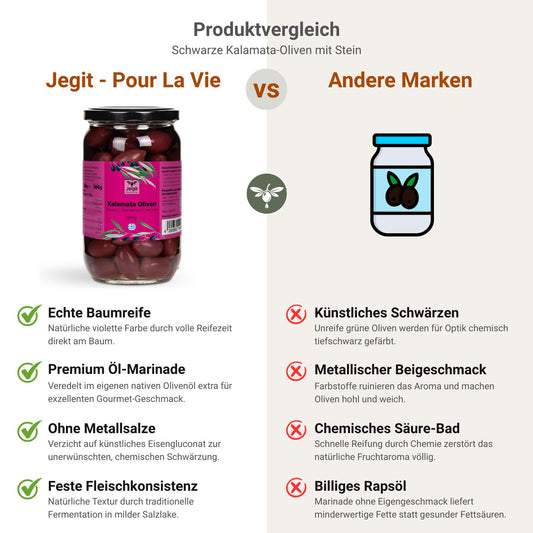
We like to combine two Greek classics. Meaty, wine-dark Kalamata olives bring a rich, fruity depth, while firm, mild green olives add a fresh, buttery bite and a satisfying crunch. Both are naturally cured and free from additives, so their flavour is clean and true — exactly what you want as the base of a marinade. If your olives are very salty, give them a quick rinse and a few minutes in fresh water before you begin.
Ingredients
Makes one generous bowl (about 4–6 servings as a starter or snack).
- 250 g Kalamata olives, drained
- 250 g Greek green olives, drained
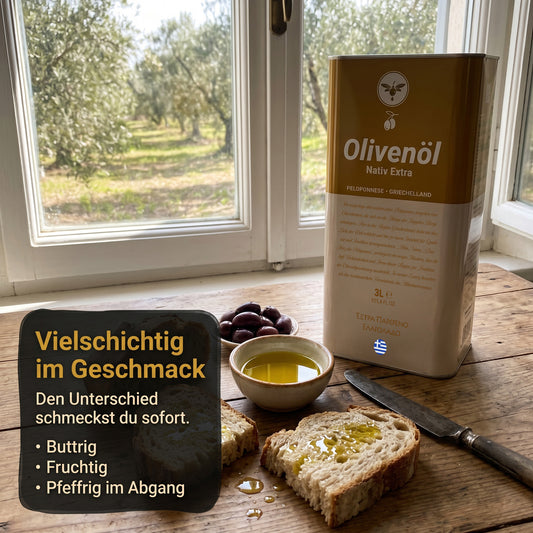
- 120 ml extra virgin olive oil
- 3 garlic cloves, thinly sliced
- 1 unwaxed lemon — zest in strips, plus 2 tablespoons of juice
- 2 sprigs fresh rosemary
- 3–4 sprigs fresh thyme
- 1 teaspoon dried oregano
- 1 fresh or dried bay leaf
- ½ teaspoon fennel seeds (optional)
- ¼ teaspoon chilli flakes, to taste (optional)
- Freshly ground black pepper
Only the olives and olive oil need to be top quality — everything else is likely already in your kitchen. Garlic, lemon, rosemary, thyme, oregano, bay, fennel and chilli are simple pantry and garden ingredients, so use whatever you have to hand.
How to make marinated olives
- Drain and rinse. Tip both kinds of olives into a colander, drain well and rinse briefly under cool water. Shake off the excess and pat dry with a clean cloth so the marinade clings properly.
- Warm the oil and aromatics. Pour the olive oil into a small pan over the lowest heat. Add the sliced garlic, strips of lemon zest, rosemary, thyme, bay leaf, fennel seeds and chilli. Warm gently for 4–5 minutes until the garlic turns pale gold and the kitchen smells fragrant. Do not let it fry or sizzle hard — you are coaxing out the aromas, not cooking.
- Add the olives. Stir in the drained olives and the dried oregano. Warm them through for 2–3 minutes, just until they are heated and glossy. Warming opens up their flavour and helps them absorb the marinade.
- Finish with lemon. Take the pan off the heat and stir in the lemon juice and a good grind of black pepper. Taste, and add a pinch more chilli or a squeeze more lemon if you like.
- Rest and marinate. Transfer everything, oil included, to a bowl or jar. Leave to sit for at least an hour at room temperature so the flavours mingle. For the best result, cover and refrigerate overnight, then bring back to room temperature before serving.
Tips for the best marinade
Keep the heat low and slow: garlic that browns turns bitter, and the point is a mellow, perfumed oil. Always bring the olives back to room temperature before serving, because cold oil sets and dulls the flavour. And do not throw away the leftover oil — once the olives are gone, it is liquid gold for salad dressings, bread dipping or roasting vegetables.
How to store and serve
Spoon the olives and their oil into a clean, lidded jar and keep them in the fridge. They will keep happily for up to two weeks, and the flavour deepens over the first few days. Serve them in a shallow bowl as part of a meze or antipasti spread, with warm flatbread, a wedge of feta and a few sun-ripened tomatoes. A small dish of marinated olives also makes a thoughtful, edible gift.
Frequently asked questions
How long do marinated olives need to sit before eating?
An hour at room temperature is enough to taste the difference, but they are at their best after a night in the fridge. The longer they rest, the more the garlic, lemon and herbs work their way into the olives.
Do I need to heat the olives at all?
No — you can simply combine everything cold and let time do the work. Gently warming the oil and olives, though, speeds up the process and gives a rounder, more infused flavour, which is why we recommend it.
Which olives are best for marinating?
Whole, naturally cured olives with the stone still in hold their texture best. A mix of rich black Kalamata and firm green olives gives a good balance of flavour and colour, but you can use either on its own.
Our Product Tip
Black Kalamata Olives with Pit
Naturally cured Greek Kalamata olives with a rich, fruity depth — the perfect base for your marinade.
Shop Kalamata OlivesOnce you have made your own marinated olives, the shop-bought version will never quite compare. Start with honest olives and real extra virgin olive oil, add a handful of herbs and a little patience, and you have a taste of the Mediterranean whenever you want it. Natural, without additives, just as it should be — Pour La Vie.