Imam Bayildi: Greek Stuffed Aubergines Baked in Olive Oil
Imam bayildi is one of the great celebrations of olive oil in the whole Mediterranean kitchen. Whole aubergines are split, softened and filled with a fragrant tangle of slow-cooked onions, garlic and tomato, then baked low and slow until they are meltingly tender and glistening. The dish is served warm or, more traditionally, at room temperature, when the flavours have deepened and the olive oil has worked its quiet magic through every layer.
Its name translates from Turkish as “the imam fainted”, and the most charming version of the legend says he swooned at the sheer amount – and quality – of the olive oil used. That tells you exactly where the flavour of this dish comes from. In this guide you will learn what imam bayildi is, why the oil truly is the hero, and how to make a soulful, authentic version at home.
What Is Imam Bayildi?
Imam bayildi belongs to the family of dishes Greeks call ladera – vegetables cooked slowly in plenty of olive oil until they are silky and rich. Shared across Greece, Turkey and the wider eastern Mediterranean, it is a proudly vegan main course that never feels like it is missing meat, because the long, gentle cooking coaxes an astonishing depth of flavour from the humblest ingredients.
The aubergines are first softened so they collapse into a creamy, spoonable texture. The filling is kept simple and generous: sweet onions cooked down until jammy, plenty of garlic, ripe tomato and a handful of parsley. What binds it all together, and what defines the dish, is the olive oil – poured in without apology and allowed to mingle with the tomato juices into a glossy sauce you will want to mop up with bread.
Why the Olive Oil Is the Hero
In a dish this pared-back, the olive oil is not seasoning – it is the main event. As the aubergines bake, they drink in the oil and carry its flavour into every bite, while the oil, the tomato and the onions melt into a sauce that is the soul of the plate. A flat, refined oil leaves the dish tasting greasy and dull; a lively, fruity extra virgin oil makes it sing.
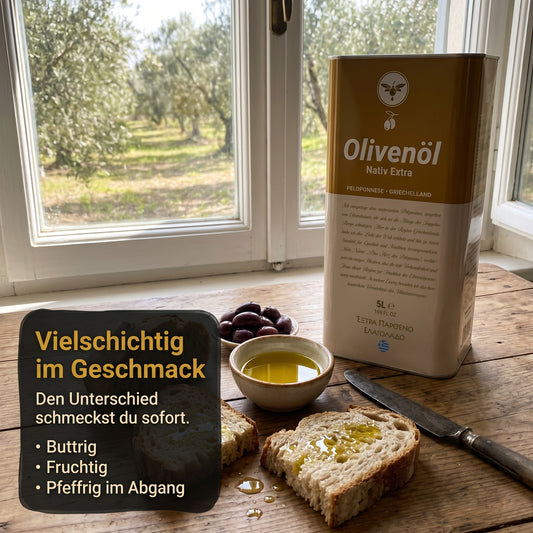
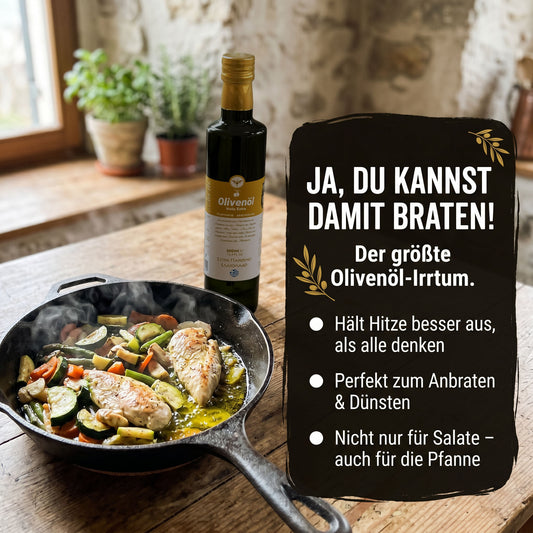
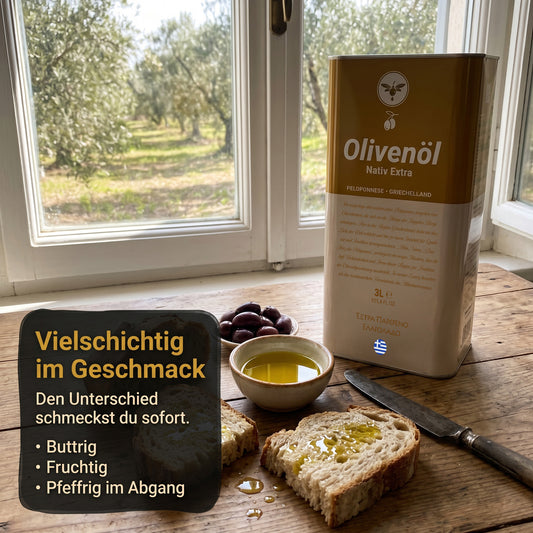
We use Jegit’s Olive Oil Extra Virgin from the Peloponnese. Hand-harvested, naturally cloudy and rich in fruity, peppery character, it stands up beautifully to slow baking and gives imam bayildi the buttery, aromatic depth it deserves. Since the oil is the flavour here, this is a dish that rewards a good bottle.
Ingredients
This serves four as a main course, or six as part of a meze spread.
- 4 medium aubergines (about 1 kg)
- 3 large onions, thinly sliced
- 6 garlic cloves, thinly sliced
- 4 ripe tomatoes, grated or finely chopped (or 400 g tinned chopped tomatoes)
- 1 tablespoon tomato purée
- 120 ml extra virgin olive oil, plus more for drizzling
- 1 small bunch flat-leaf parsley, chopped
- 1 teaspoon sugar (to balance the tomato)
- Sea salt and freshly ground black pepper
- 120 ml warm water
A pinch of ground cinnamon or a few allspice berries in the onions is a lovely, optional nod to the dish’s eastern roots.
How to Make Imam Bayildi
- Prepare the aubergines. Peel the aubergines in stripes, leaving alternating bands of skin for structure. Cut a deep slit lengthways down each one, without cutting all the way through, to create a pocket. Salt them generously inside and out and leave for 30 minutes to draw out any bitterness, then pat dry.
- Soften them in oil. Warm a few tablespoons of olive oil in a wide pan and gently fry the whole aubergines, turning, until the skins are glossy and the flesh has begun to soften. Lift out and arrange snugly, slit-side up, in a baking dish.
- Make the filling. In the same pan, add more olive oil and cook the sliced onions over a low heat for 12 to 15 minutes until soft and sweet. Add the garlic and cook for another minute, then stir in the grated tomato, tomato purée, sugar, most of the parsley, and salt and pepper. Simmer for 10 minutes until thick and jammy.
- Fill and bake. Gently open each aubergine pocket and spoon in the onion-and-tomato filling, mounding it generously. Pour the remaining olive oil and the warm water around the aubergines. Cover the dish with foil.
- Slow-bake. Bake at 180°C for 45 minutes, then remove the foil and bake for a further 15 to 20 minutes, until the aubergines are completely soft and the sauce is glossy and reduced.
- Rest before serving. Let the dish cool to warm or room temperature – this is when imam bayildi is at its best. Scatter with the remaining parsley and a final drizzle of olive oil just before serving.
Tips for the Best Imam Bayildi
Do not rush the onions: their slow-cooked sweetness is the backbone of the filling. Be generous with the oil – this is not the dish to hold back on, and the aubergines need it to turn silky. And always give it time to rest; served straight from the oven it can taste sharp, but after twenty minutes the flavours round out and the sauce turns luxurious.
How to Serve Imam Bayildi
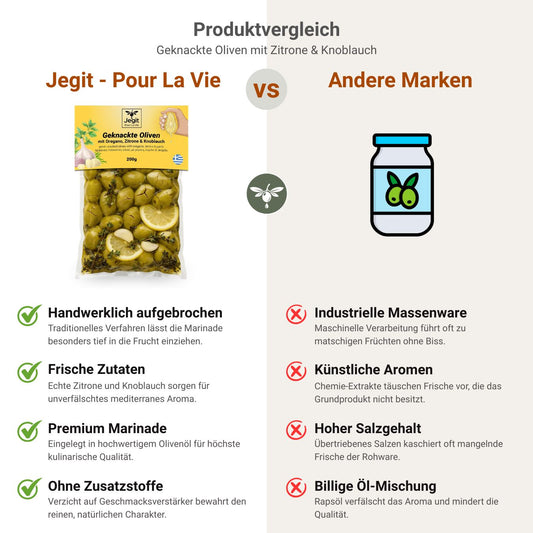
Imam bayildi is a meal in itself with nothing more than warm, crusty bread to soak up the sauce and a wedge of feta on the side. For a fuller Greek table, serve it with rice, a simple horiatiki salad, or as the centrepiece of a meze spread. A bowl of marinated Greek green olives alongside, with their herby olive oil, echoes the flavours on the plate beautifully.
Frequently Asked Questions
Is imam bayildi served hot or cold?
Traditionally it is served warm or at room temperature rather than piping hot. Resting lets the olive oil and tomato flavours settle and deepen, which is why many cooks make it a few hours – or even a day – ahead.
Can I make imam bayildi ahead of time?
Yes, and it is arguably better for it. Keep it covered in the fridge for up to three days; the flavours improve overnight. Bring it back to room temperature and add a fresh drizzle of olive oil before serving.
How do I stop the aubergines tasting bitter?
Salting the split aubergines and leaving them for around 30 minutes draws out excess moisture and any bitterness. Pat them dry before frying. Choosing firm, glossy, medium-sized aubergines also helps, as very large ones can be more bitter and seedy.
Our Product Tip
Olive Oil Extra Virgin from the Peloponnese
Naturally cloudy, hand-harvested and rich in fruity, peppery flavour – the very soul of an authentic imam bayildi.
Shop the Olive OilImam bayildi shows what happens when you give simple vegetables time, care and a truly good olive oil. Choose a fruity extra virgin oil, cook the onions slowly and let the finished dish rest, and you will understand exactly why the imam is said to have swooned. From our family to your table – Pour La Vie.