Horiatiki: The Authentic Greek Village Salad with Kalamata Olives and Olive Oil
Ask anyone who has spent a summer in Greece what they miss most, and the answer is often the same: a proper horiatiki. This is the Greek village salad in its truest form — sun-ripened tomatoes, crisp cucumber, sweet onion, a thick slab of feta, a handful of dark Kalamata olives and a generous pour of fragrant olive oil. There is no lettuce, no vinaigrette to whisk and no long list of ingredients. It is honest, seasonal food that lets each component speak for itself.
The beauty of horiatiki is that it stands or falls on the quality of what goes into it. Get your hands on ripe tomatoes, real Greek feta, good olives and an honest extra virgin olive oil, and you have a dish that tastes of the Mediterranean itself. Here is how to make it the traditional way, along with the small details that separate a tourist-taverna salad from the real thing.
What Is Horiatiki? The Real Greek Village Salad
The word horiatiki (χωριάτικη) simply means "villager's" or "country-style". It is the salad Greek families have eaten for generations: a bowl of raw summer vegetables, dressed with nothing more than olive oil, a pinch of salt and a scatter of dried oregano, and finished with a slab of feta on top. Crucially, the feta is not crumbled through the salad but laid whole across it, so it stays creamy and cool.
What you will not find in an authentic horiatiki is lettuce, a creamy dressing or a mountain of extra garnishes. This restraint is the point. When the tomatoes are at their peak and the olive oil is good, nothing else is needed.
What Goes Into an Authentic Horiatiki (and What Doesn't)
The vegetables
Ripe, in-season tomatoes are non-negotiable — they release their sweet juices to form part of the dressing. Add cool cucumber, thinly sliced red onion and green bell pepper (a traditional touch many people forget). Cut everything into generous, rustic chunks rather than fine dice; this is a salad you eat with a fork and a hunk of bread.
The feta
Use a genuine block of Greek feta packed in brine, never the pre-crumbled kind. Laid whole on top and dusted with oregano, it softens slightly against the warm vegetables and turns silky when you break into it.
The olives and the olive oil
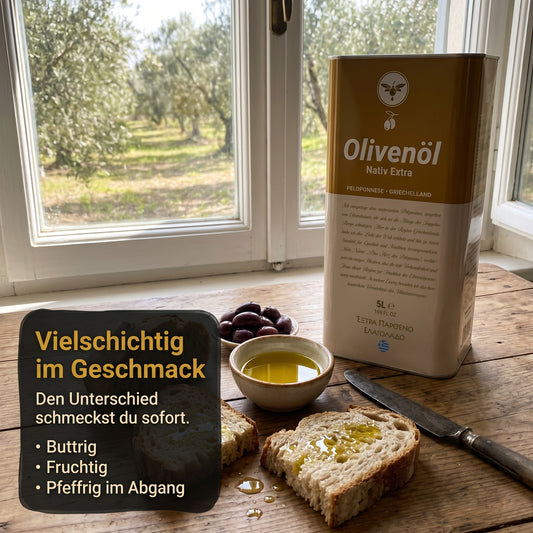
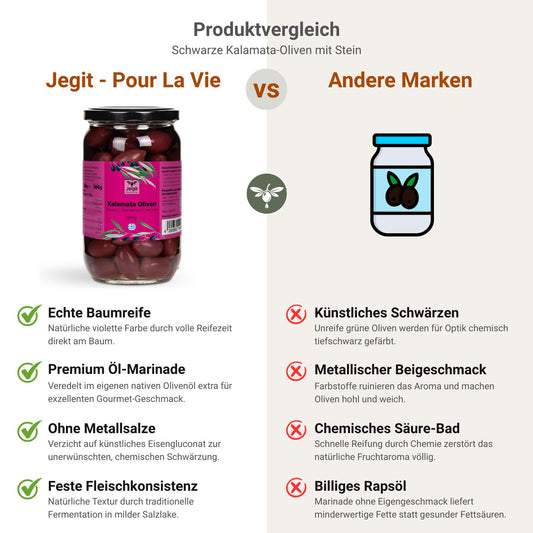
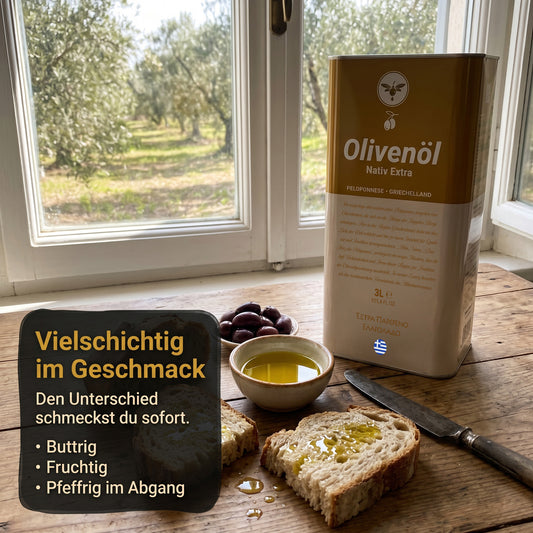
Dark, meaty Kalamata olives bring the salty, fruity depth that defines the dish. And the olive oil is not an afterthought — it is the dressing. A peppery, buttery extra virgin olive oil from the Peloponnese pulls every element together and lingers on the plate long after the vegetables are gone.
Ingredients
Serves 4 as a starter or 2 as a light main.
- 4 large ripe tomatoes, cut into wedges
- 1 cucumber, halved lengthways and sliced
- 1 small red onion, thinly sliced
- 1 green bell pepper, deseeded and sliced into rings
- 150–200 g Greek feta, in one block
- 100 g Kalamata olives
- 4–5 tbsp extra virgin olive oil
- 1 tsp dried oregano
- Sea salt, to taste
- Optional: a few capers, a splash of red wine vinegar
How to Make Horiatiki
- Prepare the tomatoes. Cut the ripe tomatoes into thick wedges and place them in a wide, shallow bowl. Sprinkle with a little sea salt straight away — this draws out their juices, which become part of the dressing.
- Add the crunch. Slice the cucumber into half-moons and add it to the bowl along with the rings of green pepper and the thinly sliced red onion.
- Add the olives. Scatter over the Kalamata olives. Leave them whole, with their stones in, as is traditional — just warn your guests.
- Dress simply. Pour the extra virgin olive oil generously over everything. Add a splash of red wine vinegar only if you like; a true horiatiki often skips it entirely and lets the oil and tomato juices do the work.
- Crown with feta. Lay the whole block of feta on top of the salad. Do not crumble or mix it in.
- Finish with oregano. Rub the dried oregano between your fingers over the feta and salad to release its aroma. Add a final trickle of olive oil over the cheese.
- Serve at once. Bring the bowl to the table with plenty of crusty bread so no one misses out on the olive-oil-and-tomato juices at the bottom.
Tips for the Best Village Salad
Let it come to room temperature. Cold-from-the-fridge tomatoes taste flat. Take everything out 20 minutes before serving so the flavours open up.
Salt the tomatoes, not the feta. Feta is already salty from its brine, so season the vegetables and let the cheese do the rest.
Do not drown it in vinegar. The tang should come mostly from the tomatoes and olives. If you use vinegar, a single splash is plenty.
Use the best olive oil you have. Because the oil is the dressing, its flavour defines the salad. A fresh, unfiltered extra virgin oil with a peppery finish makes all the difference.
How to Serve Horiatiki
Horiatiki is at its best as part of a shared, relaxed table. Serve it alongside grilled fish or meat, or make it the centre of a meze spread with tzatziki, warm pita and a few marinated olives. Above all, keep the bread coming — scooping up the pool of olive oil and tomato juices at the bottom of the bowl is, for many Greeks, the finest part of the whole dish.
Frequently Asked Questions
Does a traditional Greek salad contain lettuce?
No. Authentic horiatiki contains no lettuce at all. It is built entirely from raw summer vegetables — tomatoes, cucumber, onion and green pepper — with olives, feta and olive oil. Lettuce-based versions are a modern, non-traditional adaptation.
Should the feta be crumbled or left whole?
Traditionally the feta is laid on top of the salad in one thick slab and dusted with oregano, not crumbled through it. This keeps the cheese creamy and lets each person break off as much as they like.
What kind of olive oil is best for a Greek salad?
Because the olive oil is the dressing, use a good extra virgin olive oil with plenty of character. A fresh, peppery, unfiltered oil — such as one from the Peloponnese — brings the fruitiness and body that a village salad needs.
Our Product Tip
Olive Oil Extra Virgin from the Peloponnese
Hand-harvested, naturally cloudy and unfiltered — the peppery, buttery heart of every authentic horiatiki.
Shop the olive oilA great horiatiki is proof that the simplest food is often the most memorable — when every ingredient is honest and full of flavour. Bring home real Greek olives and an olive oil worth pouring freely, and taste the Mediterranean for yourself. Pour La Vie.