Homemade Garlic-Infused Olive Oil: An Easy Mediterranean Recipe
Few things capture the spirit of a Mediterranean kitchen quite like a bottle of golden, garlic-scented olive oil. Drizzled over warm bread, stirred through pasta or brushed onto grilled vegetables, homemade garlic-infused olive oil turns simple food into something memorable — and it costs a fraction of the fancy bottles you find in delicatessens. Best of all, it takes minutes to prepare with just two core ingredients.
In this guide you will learn two reliable ways to make garlic olive oil at home, how to store it safely, and a handful of ways to use every last drop. As ever, the quality of your finished oil depends almost entirely on the olive oil you start with, so it is worth choosing a good one.
Why make your own garlic-infused olive oil?
Shop-bought flavoured oils are often built on refined, neutral base oils and rely on artificial flavourings. When you make your own, you control every element: a fruity, peppery extra virgin oil as the base, fresh garlic for warmth, and perhaps a sprig of rosemary or a strip of lemon peel for character. The result is fresher, more aromatic and entirely free of additives — very much in the Jegit spirit of natural food with nothing unnecessary added.
A bottle also makes a lovely, low-effort gift. Decanted into a pretty flask, homemade garlic oil looks far more impressive than the effort it takes to make.
Ingredients
This recipe makes roughly 250 ml of infused oil. Scale it up or down as you like, keeping the ratio of garlic to oil similar.
- 250 ml extra virgin olive oil (a fruity, robust oil works best)
- 4–6 fresh garlic cloves, peeled
- Optional: 1 sprig of fresh rosemary or thyme
- Optional: 1 strip of unwaxed lemon peel
- Optional: a pinch of dried chilli flakes
- Optional: a small pinch of sea salt
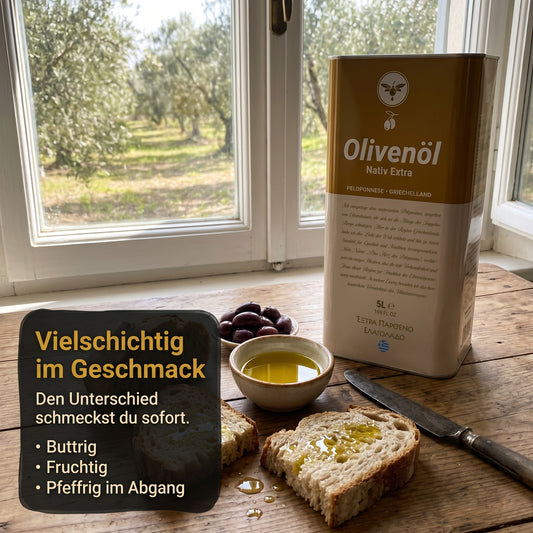
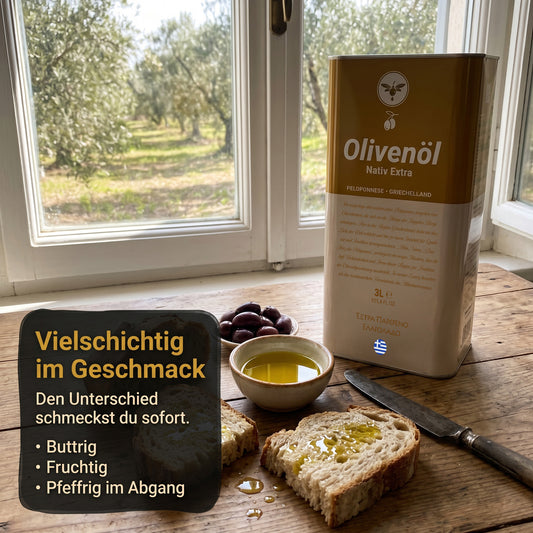
Only the olive oil really matters here. A naturally cloudy, unfiltered oil such as our extra virgin oil from the Peloponnese brings a buttery, peppery depth that carries the garlic beautifully.
Method 1: The gentle warm infusion (ready the same day)
- Peel the garlic cloves and lightly crush them with the flat of a knife — this releases more aroma without shredding them.
- Pour the olive oil into a small saucepan and add the garlic, along with any herbs, lemon peel or chilli you are using.
- Warm the oil over a very low heat for 10–15 minutes. Aim for the faintest shimmer, never a sizzle or fry — keep the temperature below about 80–90°C so the garlic gently poaches rather than browns.
- Remove from the heat and let the oil cool completely in the pan, allowing the flavours to keep mingling as it does.
- Strain the oil through a fine sieve into a clean, dry bottle or jar, and discard the solids.
- Seal, label with the date, and refrigerate.
Method 2: The cold infusion (more aromatic, needs patience)
- Peel and halve the garlic cloves and place them in a clean, dry jar with your chosen herbs.
- Cover completely with olive oil, making sure every piece of garlic is fully submerged.
- Seal and refrigerate for one to three days, tasting daily until the flavour is to your liking.
- Strain out the garlic and herbs, transfer the oil to a clean bottle, and keep it refrigerated.
The cold method gives a brighter, more pungent garlic flavour; the warm method is mellower and ready in an hour or two. Both are delicious.
Flavour variations to try
Once you are comfortable with the basic method, the combinations are endless. A few sprigs of rosemary and thyme make a herby, almost woody oil that loves roast potatoes. A strip of lemon peel and a pinch of chilli give a bright, gently spicy oil for fish and seafood. A couple of bruised peppercorns or a bay leaf deepen the flavour further. Keep the garlic as the backbone and let just one or two supporting flavours shine rather than crowding the bottle.
Storing garlic oil safely
This is the one part of the recipe to take seriously. Fresh garlic stored in oil at room temperature can, over time, create conditions for harmful bacteria to grow. To stay on the safe side, always keep your garlic-infused oil in the refrigerator, use a scrupulously clean and dry jar, and consume it within about one week. If you ever notice an off smell, unexpected cloudiness or any bubbling, discard it. For longer storage, freeze the oil in an ice-cube tray and defrost cubes as needed.
The oil may solidify or turn cloudy in the fridge — this is completely normal for a natural extra virgin oil and reverses within a few minutes at room temperature.
How to use your garlic-infused olive oil
Once you have a bottle to hand, you will reach for it constantly. Drizzle it over crusty sourdough, swirl it into hummus or soups, toss it through warm pasta with a little parmesan, or use it as the base for a quick salad dressing. It is wonderful brushed over vegetables or halloumi before grilling, and it makes an instant marinade for chicken or fish. For an effortless mezze platter, pair a small dish of the oil with a bowl of Greek green olives and warm flatbread.
Frequently asked questions
How long does homemade garlic oil last?
Kept in the fridge in a clean, sealed bottle, use it within about one week. Freezing it in cubes extends this to a few months.
Can I use dried garlic instead of fresh?
Yes. Dried or dehydrated garlic carries far less moisture, which makes the oil less prone to spoilage, though the flavour is a little less vivid. Fresh garlic gives the best taste when stored correctly and used quickly.
What is the best olive oil for infusing?
A good extra virgin olive oil with plenty of character. A fruity, peppery, unfiltered oil stands up to the garlic and gives the finished oil real depth — far better than a neutral, refined oil.
Our product tip
Extra Virgin Olive Oil from the Peloponnese
Unfiltered, hand-harvested and cold-extracted — the perfect base for your homemade garlic oil.
Shop the olive oilMake a single bottle and you will understand why infused oils are a staple of Mediterranean cooking: a little effort, a lot of flavour, and nothing but pure, natural ingredients. That is cooking the way we love it — Pour La Vie.