Fakes: The Classic Greek Lentil Soup Finished with Olive Oil
Ask a Greek what they grew up eating on an ordinary weeknight and, sooner or later, someone will say fakes (pronounced fah-KESS). This humble lentil soup is one of the true cornerstones of the Greek home kitchen — cheap, nourishing, naturally vegan and endlessly comforting. It asks for nothing more than a bag of lentils, a few store-cupboard aromatics and, crucially, a good glug of olive oil to finish.
That final drizzle is not an afterthought. In fakes, raw extra virgin olive oil stirred through at the end is what lifts the whole bowl — it rounds out the earthiness of the lentils, carries the aroma, and gives the soup its silky body. Here is how to make it properly, along with the one or two small touches that separate a good pot of fakes from a great one.
What is fakes?
Fakes is a traditional Greek lentil soup built on small brown or green lentils simmered with onion, garlic, bay leaves and a little tomato until soft and brothy. It sits firmly in the tradition of ladera cooking — everyday dishes where olive oil is a defining ingredient rather than a background fat. Because it is entirely plant-based, it has long been a staple during Orthodox fasting periods, but most Greek families eat it all year round.
What makes fakes special is its simplicity. There is no browning of meat, no long list of spices — just honest ingredients treated with care, and a finish of raw olive oil and a splash of red wine vinegar that wakes everything up.
Why the olive oil matters most
Lentils are mild and earthy on their own, so the olive oil does a lot of the flavouring. A share of it goes in at the start, to soften the onions and build a base; the rest is stirred in raw at the end, where its fruity, peppery character stays vivid. This two-stage approach is the secret to a fakes that tastes rich and complete rather than watery.
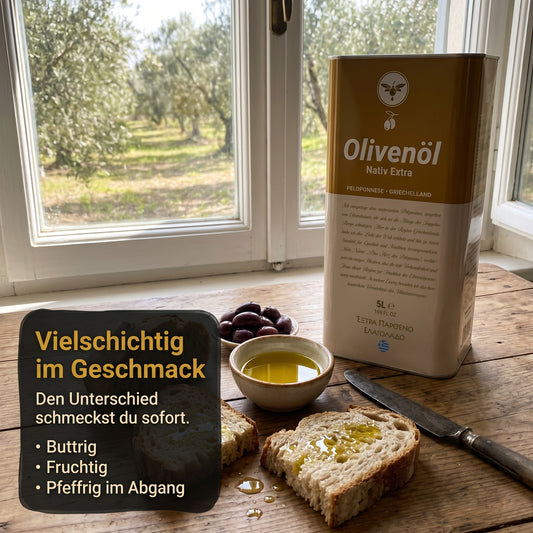
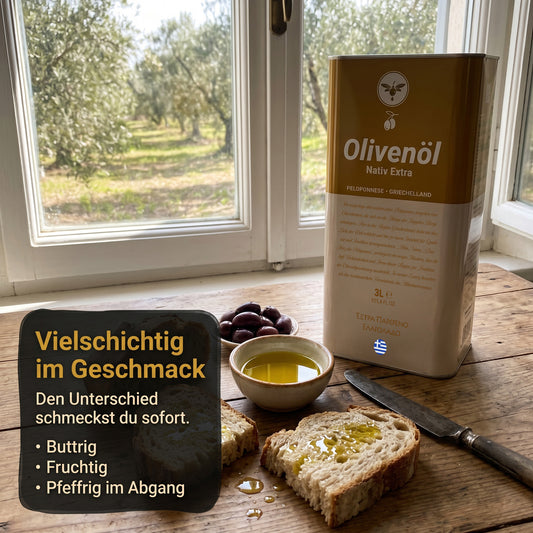
It follows that the oil should be one you genuinely enjoy tasting. We finish ours with a naturally cloudy, unfiltered extra virgin olive oil from the Peloponnese, whose buttery-yet-peppery notes give the soup real depth. Add it off the heat so its aromas are not cooked away.
Ingredients
Serves 4 as a main.
- 350 g brown or green lentils, rinsed
- 90 ml extra virgin olive oil, plus extra to finish
- 1 large onion, finely chopped
- 3 garlic cloves, sliced
- 1 carrot, finely diced (optional)
- 2 bay leaves
- 1 tbsp tomato purée (or 2 ripe tomatoes, grated)
- 1 tsp dried oregano
- Roughly 1.2 litres water
- 1–2 tbsp red wine vinegar, to finish
- Sea salt and freshly ground black pepper
How to make Greek lentil soup
- Rinse the lentils. Brown and green lentils do not need soaking. Rinse them under cold water and pick out any stray grit. For an especially clean-tasting soup, you can bring them to the boil in plain water, drain, and start again — this is a traditional touch that softens their edge.
- Build the base. Warm half the olive oil in a large pot over medium heat. Add the onion and carrot and cook gently for 6–8 minutes until soft. Stir in the garlic and cook for another minute.
- Add the lentils. Tip in the rinsed lentils, bay leaves, tomato purée and oregano, and stir to coat. Pour in the water — enough to cover generously.
- Simmer. Bring to a gentle boil, then lower the heat and simmer, partly covered, for 30–40 minutes, until the lentils are soft and the broth has thickened slightly. Top up with a little hot water if it reduces too far.
- Season late. Add salt and pepper only once the lentils are tender — salting too early can keep them firm. Taste and adjust.
- Finish with olive oil and vinegar. Take the pot off the heat, discard the bay leaves, and stir through the remaining raw olive oil and the red wine vinegar. This final step is what gives fakes its character.
- Serve. Ladle into bowls and add one more drizzle of extra virgin olive oil on top.
Tips for the best fakes
Keep the vinegar for the very end — its brightness is meant to hit fresh, not cook away. If you prefer a thicker, almost stew-like soup, mash a ladleful of the cooked lentils against the side of the pot and stir it back in. And do not skimp on the finishing oil; it is the difference between a plain bowl of lentils and a genuine Greek fakes.
How to serve fakes
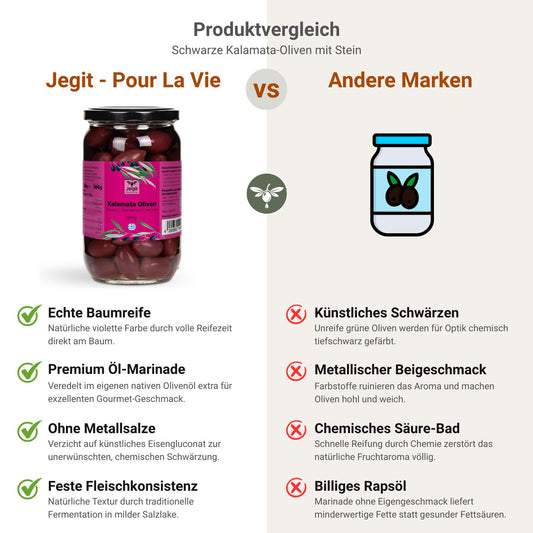
Fakes is a meal in itself with nothing more than crusty bread. In Greek homes it is almost always served with something sharp and salty on the side to cut through the earthiness: a wedge of feta, a few pickles, and a small dish of black Kalamata olives. A simple green salad rounds it out. Like most lentil dishes, it tastes even better the next day, once the flavours have settled.
Frequently asked questions
Do I need to soak the lentils first?
No. Small brown and green lentils cook through in well under an hour without soaking — just rinse them well. The optional quick pre-boil and drain is a traditional step for a cleaner taste, but it is not essential.
Why add the olive oil at the end?
Stirring raw extra virgin olive oil through the finished soup keeps its fruity, peppery aromas intact, which gentle cooking would otherwise mellow. It also gives the broth a silky richness. Think of it as seasoning the soup with flavour, not just fat.
Can I make fakes ahead or freeze it?
Yes to both. It keeps in the fridge for three to four days and reheats beautifully — add a splash of water to loosen it. It also freezes well for up to three months. Save the final drizzle of fresh olive oil and vinegar for when you serve.
Our product tip
Premium Extra Virgin Olive Oil from the Peloponnese
Hand-harvested, naturally cloudy and unfiltered — the fruity, peppery Greek olive oil that gives fakes its silky, finished flavour.
Shop the olive oilA pot of lentils, a few humble aromatics and a generous pour of real Greek olive oil — that is all it takes for one of the most comforting bowls in the Mediterranean. Taste the difference a good oil makes, and enjoy every spoonful. Pour La Vie.