Greek Fava: The Creamy Santorini Yellow Split Pea Purée with Olive Oil
If you have ever ordered a plate of creamy, golden purée in a seaside taverna and wondered what it was, the answer is almost certainly fava. This velvety Greek yellow split pea purée is one of the most comforting dishes in the whole Mediterranean kitchen, and it needs only a handful of pantry ingredients — the star among them a good extra virgin olive oil. Warm, nourishing and naturally vegan, fava has been feeding Greek families for generations, and it is far easier to make at home than its silky texture suggests.
What is Greek fava?
Despite the name, Greek fava is not made from fava (broad) beans at all. It is a purée of yellow split peas — known in Greek simply as fáva — that are simmered slowly with onion until they collapse into a smooth, spoonable cream. The most celebrated version comes from the island of Santorini, where the volcanic soil yields split peas with a particularly delicate, gently sweet flavour and a protected designation of origin. You will find fava on almost every taverna menu across the Cyclades, served warm as a meze with plenty of olive oil, lemon and finely chopped raw onion on top.
What makes it so beloved is its simplicity. There is no cream, no butter and no long list of spices. The peas provide an earthy, comforting base, and everything else is about balance: acidity from lemon, sharpness from onion, and richness from a generous pour of olive oil. It is the kind of dish that feels humble and luxurious at the same time.
Why olive oil makes all the difference
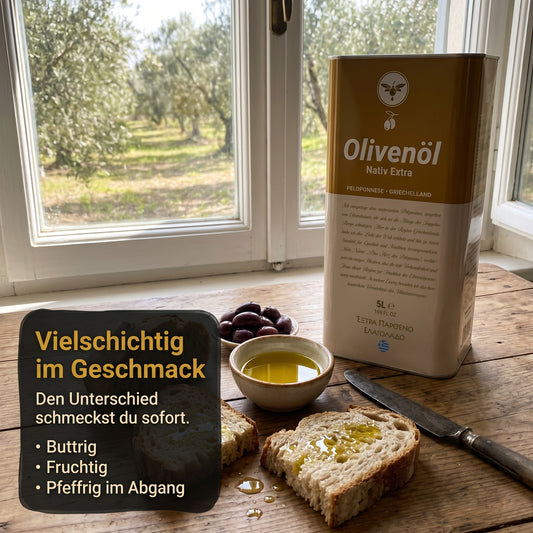
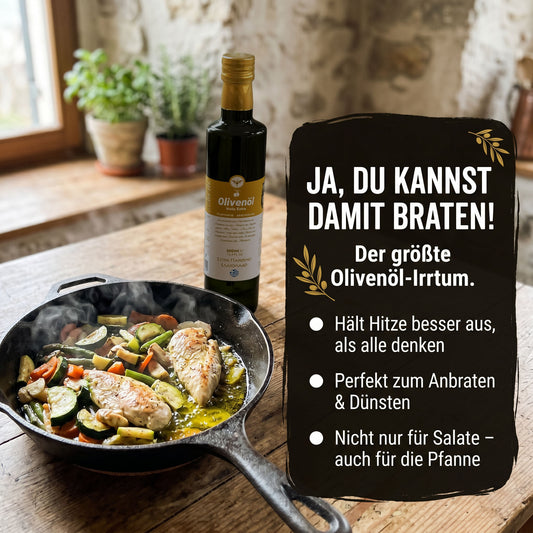
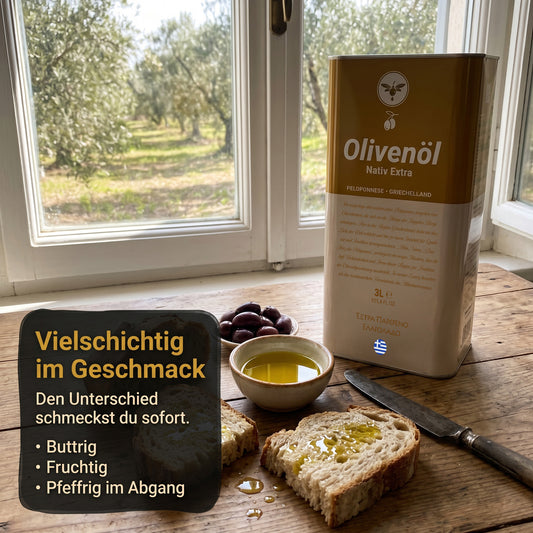
Because fava itself is deliberately gentle and earthy, the olive oil you finish it with does a great deal of the flavour work. A generous drizzle of fruity, peppery Peloponnese extra virgin olive oil lifts the whole plate, adding a buttery roundness and a peppery finish that plays beautifully against the sweetness of the peas. Use a little while cooking to build depth, then be generous with a raw drizzle at the table — this is where a truly good oil earns its place.
Ingredients
Serves 4 as a meze or starter.
- 250 g yellow split peas (Greek fava), well rinsed
- 1 medium onion, finely chopped, plus extra raw onion to serve
- 1 small garlic clove (optional)
- 700–800 ml water, plus a little more as needed
- 4–5 tbsp extra virgin olive oil, plus more for drizzling
- Juice of ½ lemon, plus wedges to serve
- Sea salt, to taste
- To serve: capers, extra raw onion, a few green olives and fresh parsley
How to make Greek fava, step by step
- Rinse the peas. Tip the split peas into a sieve and rinse under cold running water until the water runs clear. There is no need to soak them — split peas cook quickly on their own.
- Start the base. Warm 2 tablespoons of olive oil in a saucepan over a medium heat and soften the chopped onion (and garlic, if using) for a few minutes until translucent but not browned.
- Simmer gently. Add the rinsed peas and the water. Bring to a gentle boil, then lower the heat and simmer, partly covered, for about 40–50 minutes. Stir now and then and top up with a splash of hot water if it looks dry.
- Skim and season. During the first few minutes, skim off any foam that rises to the surface — this keeps the finished purée clean and silky. Salt the peas towards the end of cooking, once they are almost soft.
- Blend until smooth. When the peas have collapsed into a thick porridge, remove from the heat. Blend with a stick blender (or in a food processor) with the lemon juice and 2 more tablespoons of olive oil until completely smooth and creamy. Loosen with a little hot water if needed — it will thicken further as it cools.
- Serve warm. Spread the fava onto a plate, make a shallow well in the centre and fill it with a generous pour of olive oil. Scatter with raw onion, capers, olives and parsley, and finish with a squeeze of lemon.
Tips for the silkiest fava
A few small habits make the difference between good fava and taverna-worthy fava. First, keep the simmer gentle: a hard boil can make the peas taste flat. Second, skim early — those first minutes of foam are what separate a clean, glossy purée from a slightly grainy one. Third, blend while the mixture is still warm, as it purées far more smoothly than when cold. Finally, remember that fava firms up as it sits, so aim for a texture that looks a touch loose in the pan; it will set to a perfect spoonable cream on the plate.
How to serve fava
Fava is endlessly versatile. As a classic meze, serve it warm with warm pita or crusty bread and a bowl of marinated green olives alongside. For a heartier plate, top it with sautéed greens, roasted cherry tomatoes or a soft-poached egg. It also makes a wonderful base under grilled vegetables or fish. Leftovers thicken in the fridge and can be spread on toast the next morning, drizzled — of course — with a little more olive oil.
Simple variations
Stir in a spoonful of capers and their brine for a briny, Santorini-style "fava me koukia". Add a pinch of cumin or oregano for a warmer, more aromatic version, or fold through roasted garlic for extra depth. Whatever you add, keep the olive oil generous — it is the thread that ties the dish together.
Frequently asked questions
Is Greek fava the same as hummus?
No. Hummus is made from chickpeas and tahini, while Greek fava is made from yellow split peas and contains no tahini at all. Fava is looser and silkier, with a gentler, earthier flavour that leans entirely on good olive oil, lemon and onion for character.
Can I make fava ahead of time?
Yes. Fava keeps well in the fridge for up to three days in a sealed container. It will set firm once chilled, so reheat it gently with a splash of water, or bring it back to room temperature, and always refresh it with a new drizzle of olive oil before serving.
Which olive oil is best for fava?
A fruity, peppery extra virgin olive oil is ideal, because fava is mild and lets the oil shine. Our hand-harvested Peloponnese extra virgin olive oil is naturally cloudy and rich in flavour, making it a perfect finishing oil for the dish.
Our product tip
Premium Olive Oil from the Peloponnese
Hand-harvested, naturally cloudy extra virgin olive oil — fruity, buttery and peppery, the perfect finishing drizzle for a bowl of fava.
Shop the olive oilFava is proof that a few honest ingredients, treated with care, can taste extraordinary. Simmer the peas patiently, blend them smooth, and finish with a fearless pour of good olive oil — that is the whole secret. Bring a little of Santorini to your own table, and taste the difference that pure, natural ingredients make. Pour La Vie.