Gigantes Plaki: Greek Baked Giant Beans in Tomato and Olive Oil
Few dishes capture the soul of the Greek table like gigantes plaki — plump giant beans baked slowly in a rich tomato sauce until they turn meltingly tender and drink up spoonfuls of good olive oil. It is peasant cooking at its most generous: humble, vegan by nature, and quietly spectacular. In Greece you will find it on almost every taverna's meze list, served warm from the oven or at room temperature the next day, when the flavours have deepened even further.
This is a dish that rewards patience and, above all, one good ingredient: a genuinely fruity extra virgin olive oil. The beans are gentle in flavour, so the oil is what carries the whole plate. Below you will find the authentic recipe, the little details that make it sing, and answers to the questions home cooks ask most.
What is gigantes plaki?
The name tells the story. Gigantes (or yigantes) means “giants” — the large, creamy white beans that are the heart of the dish. Plaki refers to a Greek cooking method in which vegetables or pulses are baked in a tomato-and-olive-oil sauce with plenty of herbs. Together they make a baked bean casserole that has nothing in common with the tinned version most people picture. The giant beans, usually a variety of butter bean or elephant bean, hold their shape while turning soft and buttery inside.
Gigantes plaki belongs to the family of Greek ladera — dishes cooked “in oil” — where olive oil is not a cooking medium to be minimised but a main ingredient, added with a confident hand. This is why the quality of the oil matters so much and why the dish is naturally, deliciously vegan.
Why olive oil makes or breaks this dish
Because the beans and tomato are mild, the olive oil is the flavour that lingers. A flat, over-refined oil leaves the dish tasting dull; a lively, peppery extra virgin oil gives it a fruity, slightly grassy backbone and a gentle peppery finish at the back of the throat. That peppery tickle is a sign of fresh polyphenols — the natural antioxidants found in high-quality oil.
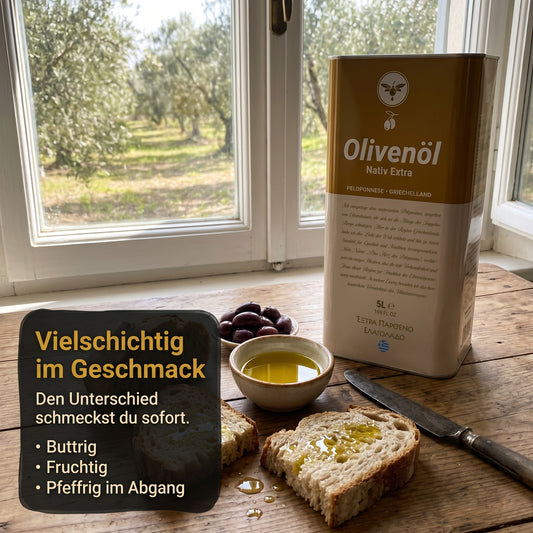
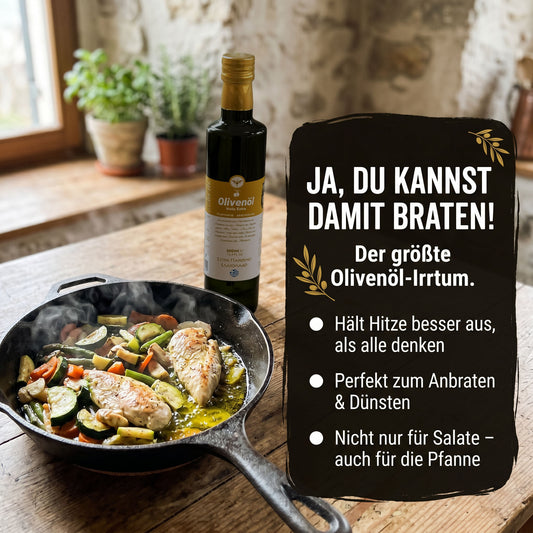
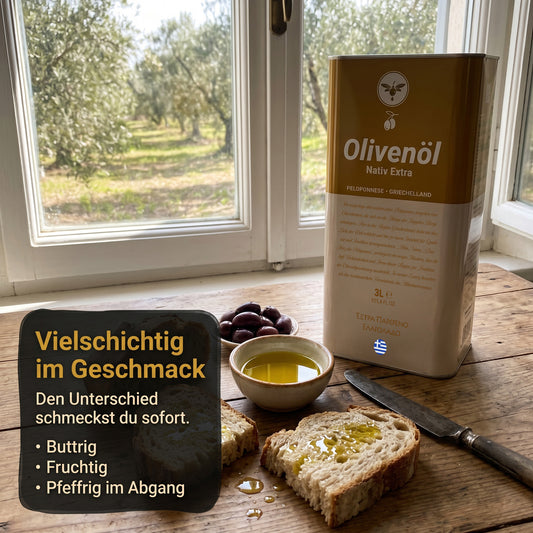
For gigantes plaki we use our Extra Virgin Olive Oil from the Peloponnese. Hand-harvested, naturally cloudy and unfiltered, it has exactly the spicy-buttery character this recipe needs: enough body to stand up to the long bake, and a fruity finish to pour raw over the finished dish. It also holds up well to oven heat, so you can cook generously with it and still keep a little back for the final drizzle.
Ingredients
Serves 4 as a main, 6 as a meze. You will need a wide baking dish.
- 500 g dried giant beans (gigantes / elephant beans), or 2 large tins of cooked butter beans, drained
- 120 ml extra virgin olive oil, plus more for serving
- 2 medium onions, finely chopped
- 3 garlic cloves, sliced
- 1 carrot, finely diced (optional, for a subtle sweetness)
- 1 tin (400 g) chopped tomatoes, plus 2 tablespoons tomato purée
- 1 teaspoon sweet paprika
- 1 teaspoon dried oregano
- 1 small bunch flat-leaf parsley, chopped
- 1 pinch of sugar, to balance the tomato
- Sea salt and freshly ground black pepper
Method
- Soak and pre-cook the beans. If using dried beans, soak them overnight in plenty of cold water. Drain, cover with fresh water and simmer for 40–50 minutes, until almost tender but not falling apart. They will finish cooking in the oven. Drain, keeping a cup of the cooking water. (Using tins? Skip straight to step 2.)
- Build the sauce. Warm the olive oil in a large pan over medium heat. Add the onions and carrot and cook gently for 8–10 minutes until soft and glossy. Add the garlic, paprika and oregano and cook for another minute until fragrant.
- Add the tomatoes. Stir in the chopped tomatoes, tomato purée and the pinch of sugar. Season, then let it simmer for 10 minutes until slightly thickened. Loosen with a little reserved bean water if it looks tight.
- Combine and bake. Heat the oven to 180 °C. Fold the beans through the sauce with half the parsley, then tip everything into a baking dish. The beans should be just covered by sauce; add a splash more water if needed. Drizzle another tablespoon of olive oil over the top.
- Bake low and slow. Bake uncovered for 45–60 minutes, until the top is caramelised in patches and the sauce has reduced around the edges. Don't stir too often — you want those golden, slightly sticky edges.
- Finish raw. Rest for 10 minutes. Scatter over the remaining parsley and pour a generous thread of raw extra virgin olive oil across the top just before serving. This last, uncooked drizzle is where the fruitiness really shines.
How to serve gigantes plaki
Serve it warm or at room temperature — both are traditional. A block of feta, a few olives and a thick slice of crusty bread to mop up the sauce turn it into a full meal. As part of a meze spread it sits beautifully alongside tzatziki, a green salad and grilled vegetables. Leftovers keep for three days in the fridge and, honestly, taste even better on day two.
Tips for the best result
Don't rush the onions — softening them slowly in the oil builds the sweet base the whole dish rests on. Keep the beans just submerged in sauce so the top can caramelise while the inside stays creamy. And always reserve some oil for the raw finish; cooking changes olive oil's aroma, so the final drizzle is what delivers that unmistakable fresh, peppery perfume.
Our Product Tip
Extra Virgin Olive Oil from the Peloponnese
Hand-harvested, naturally cloudy and unfiltered — the fruity, peppery oil that gives gigantes plaki its soul.
Shop the Olive OilFrequently asked questions
Can I make gigantes plaki with tinned beans?
Yes. Tinned butter beans or cannellini beans work well and cut the cooking time dramatically. Drain and rinse them, then add them straight to the sauce and reduce the oven time to about 30–35 minutes, since they are already cooked. The texture is a touch softer than dried giant beans but the flavour is still excellent.
Is gigantes plaki healthy?
It is a wholesome, plant-based dish built on pulses, tomatoes and extra virgin olive oil — three cornerstones of the Mediterranean diet. The beans provide fibre and plant protein, while a good olive oil contributes monounsaturated fats and antioxidants. As with any dish, the quality of the oil you choose makes a real difference to both flavour and nutrition.
Why is my sauce too watery?
Usually the dish simply needs longer in the oven uncovered, so the liquid can reduce and concentrate. Make sure you baked it without a lid, and next time hold back a little of the bean water at the start — you can always add more, but it is harder to take away.
Pour La Vie
Gigantes plaki is proof that the simplest ingredients, treated with care, make the most memorable food. Give the beans time, be generous with a truly good olive oil, and finish with that final raw drizzle. Bring a little of the Greek table into your own kitchen — naturally, without additives, and full of story. Pour La Vie.