Feta Psiti: Baked Greek Feta in Olive Oil with Thyme Honey
There are Greek dishes that take a whole afternoon, and then there is feta psiti — a block of feta baked with olive oil, tomatoes and herbs until it turns soft and golden, then finished with a thread of thyme honey. It is the kind of meze that looks like you fussed over it and takes about ten minutes of real work. If you have ever ordered baked feta at a taverna and wondered why yours never tastes as good at home, the secret is almost always the same: generous, genuinely good extra virgin olive oil and a proper drizzle of honey at the end.
This guide walks you through the classic version, the small choices that make it better, and a few ways to serve it. It is naturally vegetarian, endlessly adaptable, and built around two Greek staples we care about deeply.
What is feta psiti?
“Psiti” (ψητή) simply means “baked” or “roasted” in Greek. Feta psiti, then, is baked feta: a slab of feta cheese baked in olive oil, usually with tomatoes, peppers, oregano and a pinch of chilli, until the edges caramelise and the inside turns creamy and spoonable. In many Greek homes it appears as part of a meze spread alongside olives, bread and something cold to drink. In others it is the warm centre of a light supper.
There are two schools. The first bakes the feta in a small open dish, so the top browns and the tomatoes blister. The second wraps everything in a foil or parchment parcel, which steams the cheese into something meltingly soft. Both are correct. This recipe leans on the open-dish method for colour, with a parchment base to stop the cheese sticking.
Why olive oil is the whole point
Feta is a firm, salty, tangy cheese, and heat alone can dry it out. What keeps it luscious is fat, and in a Greek kitchen that means olive oil, poured with a confidence that can feel alarming the first time. The oil bastes the cheese as it bakes, carries the flavour of the oregano and garlic, and pools into a warm dressing you will want to mop up with bread.
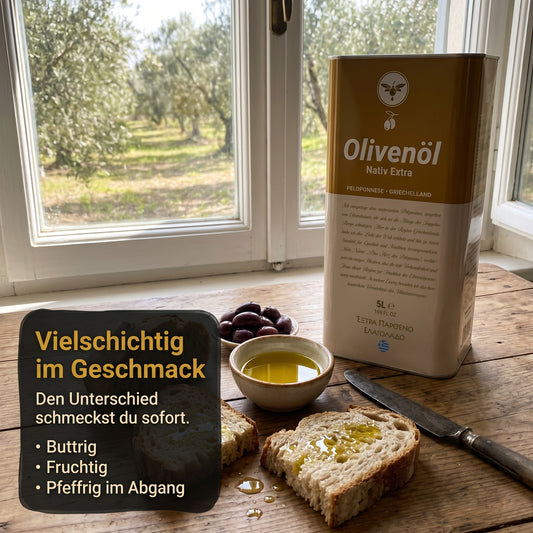
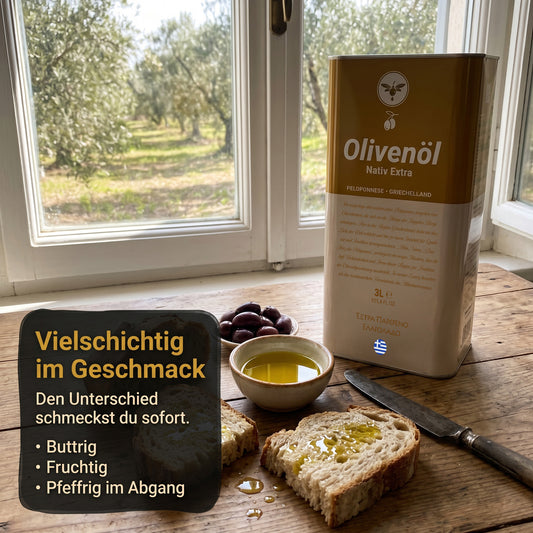
Because the oil does so much of the work, its quality shows. A flat, refined oil gives you a flat dish. A fruity, peppery extra virgin oil, like our hand-harvested Peloponnese olive oil, gives you the grassy, slightly bitter backbone that balances the sweetness of the honey and the acidity of the tomatoes. Use the good stuff here; it is worth it.
Ingredients
Serves 2–4 as a meze, or 2 as a light main with bread and salad.
- 1 block (about 200 g) Greek feta, drained (buy it in brine rather than pre-crumbled)
- 4–5 tbsp extra virgin olive oil, plus more to finish
- 150 g cherry tomatoes, left whole or halved
- 1 small red pepper, sliced into strips
- 1 tsp dried oregano
- 1 small garlic clove, thinly sliced (optional)
- A pinch of chilli flakes, to taste
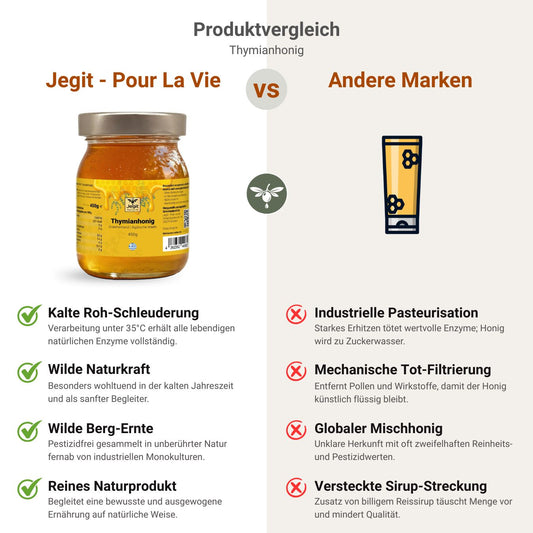
- 1–2 tsp Greek thyme honey, to finish
- Freshly ground black pepper
- Crusty bread, to serve
How to make feta psiti
- Heat the oven and settle the feta. Preheat your oven to 200°C (fan 180°C). Line a small baking dish with a piece of parchment and set the drained block of feta in the middle. Pat it dry with kitchen paper so the top can colour. Drizzle over about half of the olive oil, turning the block so it is coated all over.
- Add the tomatoes, peppers and herbs. Scatter the cherry tomatoes and pepper strips around (not on top of) the feta, so the cheese stays exposed and browns. Tuck in the sliced garlic, sprinkle everything with the oregano and chilli flakes, grind over some black pepper, then drizzle with the remaining olive oil.
- Bake. Bake for 25–30 minutes, until the tomatoes have burst and softened and the feta is golden at the edges and soft in the centre. For a deeper colour, switch the grill on for the final 2–3 minutes and watch it closely.
- Finish with thyme honey and serve. Take the dish out and let it sit for a couple of minutes. Drizzle the warm thyme honey over the feta and tomatoes, add one last thread of olive oil, and, if you like, a little more oregano. Serve straight from the dish with plenty of crusty bread for the oil at the bottom.
Tips for the best baked feta
A few small habits make a noticeable difference. Buy feta packed in brine and use it at room temperature so it bakes evenly. Do not skimp on the oil: it is the sauce, not just a coating. Keep the honey for the very end, off the heat, so it stays glossy and floral rather than turning dark and bitter. And if you like heat, a second pinch of chilli flakes over the honey plays beautifully against the sweetness.
How to serve feta psiti
At its simplest, feta psiti is a dish, a spoon and a basket of bread. As part of a bigger meze table it sits happily next to olives, a bowl of thick yoghurt, and a green salad dressed with the same olive oil. Spoon any leftovers (if there are any) over pasta or grain bowls the next day, or fold them through warm couscous. It also makes a generous, low-effort starter for guests, since it bakes unattended while you get everything else ready.
Frequently asked questions
Can I make feta psiti without honey?
Yes. The dish is still lovely with just olive oil, tomatoes and herbs. The honey adds a sweet-savoury balance that many people love, but you can leave it out, or swap in a little grape molasses if you prefer. If you do use honey, a floral Greek thyme honey is the classic match.
What kind of feta works best?
Use a firm block of Greek feta sold in brine, ideally one made with sheep’s milk or a sheep-and-goat blend. It holds together in the oven and turns creamy rather than watery. Pre-crumbled feta and softer supermarket blocks tend to collapse and release too much liquid.
Can I prepare it in advance?
You can assemble the dish (feta, oil, tomatoes and herbs) an hour or two ahead and keep it covered in the fridge, then bake it just before serving. Add the honey only after baking. Feta psiti is best eaten warm, straight from the oven, when the cheese is at its softest.
Our product tip
Extra Virgin Olive Oil 500 ml from the Peloponnese
Hand-harvested, naturally cloudy Greek olive oil with a fruity, peppery character — the heart of a great feta psiti.
Shop the olive oilPour La Vie
Feta psiti is proof that Greek cooking rewards good ingredients more than hard work. A block of feta, a handful of tomatoes, a brave pour of real olive oil and a final thread of thyme honey — that is all it takes to bring a taverna to your table. Choose your oil and your honey well, keep everything else simple, and enjoy it the way it was meant to be enjoyed: warm, shared, and unhurried. Pour La Vie.