Fasolakia Ladera: Greek Green Beans Braised in Olive Oil
Some dishes announce themselves with spectacle. Fasolakia ladera does the opposite: it is quiet, humble and utterly convincing. Green beans are simmered slowly with tomato, onion and a generous amount of good olive oil until they turn soft, sweet and glossy, and the kitchen fills with the smell of a Greek summer. It is the sort of food that tastes better the longer it sits, and better still the next day.
The name tells you everything. Fasolakia means little green beans; ladera means “in oil” — the whole family of Greek vegetable dishes cooked gently in plenty of olive oil until meltingly tender. This is not a recipe where the beans stay crisp and bright. It is one where they surrender completely, and that surrender is the point.
What Makes a Dish “Ladera”?
Ladera dishes are the backbone of the Greek table and of Greek fasting traditions, because they are naturally plant-based and deeply satisfying without any meat. The technique is simple but specific: vegetables are cooked slowly in a good quantity of olive oil and their own juices, rather than fried hard or boiled in water. The oil is not just for cooking; it becomes part of the sauce, carrying flavour and giving the dish its signature silkiness.
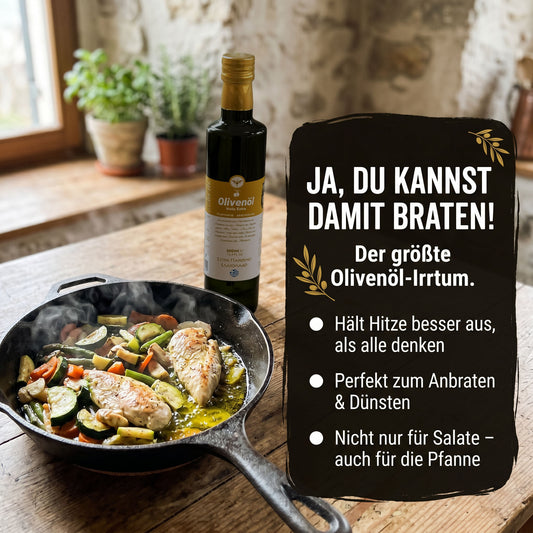
Because the olive oil is doing so much of the work, this is a dish that rewards a really good one. A fruity, peppery extra virgin oil turns simple beans and tomato into something memorable.
Choosing Your Olive Oil
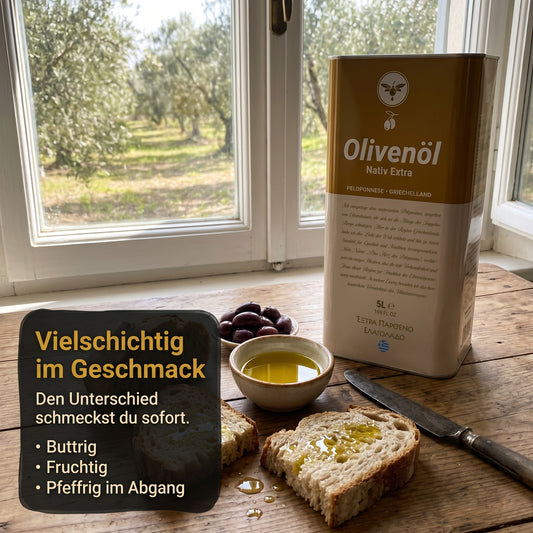
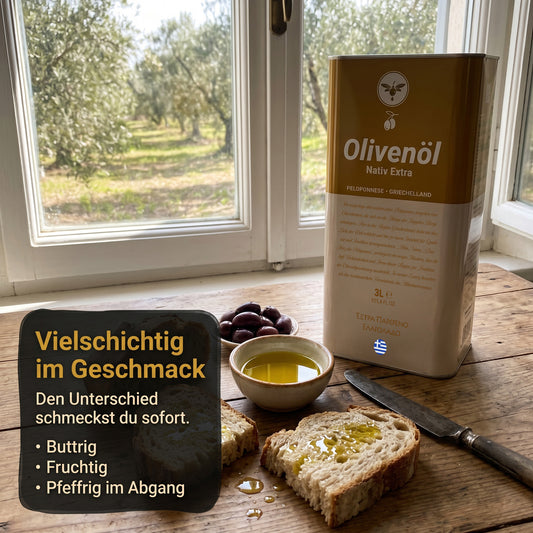
For ladera cooking you want an olive oil with genuine character and enough backbone to stand up to long, gentle heat. A naturally cloudy, unfiltered extra virgin olive oil from the Peloponnese is ideal here: its buttery, peppery notes mellow beautifully as the beans braise, and a final raw drizzle just before serving lifts the whole dish. Do not be tempted to skimp on the quantity — in a ladera, the oil is a main ingredient, not a splash.
Ingredients
Serves 4 as a main with bread and feta, or 6 as a side.
- 700 g fresh green beans (flat runner beans are traditional), topped, tailed and any strings removed
- 120 ml extra virgin olive oil, plus more to finish
- 1 large onion, finely chopped
- 2 garlic cloves, thinly sliced
- 400 g ripe tomatoes, grated (or a tin of good chopped tomatoes)
- 1 tablespoon tomato purée
- 1 medium potato, peeled and cut into chunks (optional, but traditional)
- a small bunch of parsley or dill, chopped
- sea salt and freshly ground black pepper
- a pinch of sugar, if the tomatoes need it
How to Make Fasolakia Ladera, Step by Step
- Warm the olive oil in a wide, heavy pot over a medium heat. Add the onion with a pinch of salt and cook gently for 6–8 minutes until soft and translucent but not coloured.
- Stir in the garlic and cook for another minute, until fragrant.
- Add the green beans and turn them through the oil so every bean is glossy and coated. Let them soften for a few minutes.
- Stir in the grated tomatoes, tomato purée and the potato chunks if using. Season with salt, pepper and a pinch of sugar if needed.
- Pour in just enough warm water to almost cover the beans. Bring to a gentle simmer, then lower the heat, partly cover, and leave to cook slowly for 40–50 minutes.
- The dish is ready when the beans are meltingly tender, the potato is soft, and the sauce has reduced so that the olive oil separates and pools slightly on the surface — the classic sign of a proper ladera.
- Stir through the chopped parsley or dill, taste for salt, and finish with a fresh drizzle of olive oil. Let it rest for at least ten minutes before serving.
Do not rush the simmer. The transformation from raw beans to silky, sauce-soaked ladera happens in those last twenty minutes, and it cannot be hurried with higher heat.
How to Serve It
Fasolakia ladera is traditionally served warm or at room temperature rather than piping hot, which lets the flavours settle. Give it a generous chunk of crusty bread to mop up the tomato-and-oil sauce, a slab of feta, and perhaps a few olives on the side. It stands proudly as a light vegetarian main, or alongside grilled fish or lamb as part of a larger spread.
Our Product Tip
Olive Oil Extra Virgin from the Peloponnese
Hand-harvested, naturally cloudy and rich in polyphenols — the fruity, peppery heart of every ladera dish.
Shop the olive oilStorage and Make-Ahead
Like most ladera dishes, fasolakia actually improves overnight. Keep it covered in the fridge for up to three days; the flavours deepen and the beans soak up even more of the sauce. Bring it back to room temperature, or warm it gently, before serving. It does not freeze especially well, as the beans soften further, so it is best enjoyed fresh or from the fridge.
Frequently Asked Questions
Why are the green beans cooked for so long?
That long, slow braise is the whole idea of a ladera. Unlike quick-blanched beans, these are meant to be soft and silky, having absorbed the tomato and olive oil. The texture is comforting rather than crunchy, and it is exactly how the dish is meant to be.
Can I use frozen green beans?
Yes. Frozen flat beans work well and need no defrosting — simply add them straight to the pot. You may need a few minutes less cooking time, so check for tenderness towards the end.
Is fasolakia ladera served hot or cold?
Traditionally it is served warm or at room temperature, never scalding. Resting the dish lets the olive oil and tomato flavours come forward, which is why many Greek cooks make it ahead of time.
Pour La Vie
Fasolakia ladera is Mediterranean cooking at its most honest: a few good vegetables, ripe tomatoes and a generous pour of real olive oil, given the time they need. Choose an oil you love, be patient with the simmer, and you will understand why this quiet dish has stayed on the Greek table for generations. That is the spirit behind everything we do at Jegit — natural, without additives, made to be enjoyed Pour La Vie.