Olive Wood Serving Board: How to Build the Perfect Mediterranean Antipasti Platter
There is a reason the antipasti board has quietly become the easiest way to impress anyone who walks through your door. No cooking, no timing, no stress — just beautiful things, arranged well, on a board worth looking at. And that last part is where most people go wrong. Pile the finest olives and cheeses onto a tired plastic tray and the magic evaporates. Lay them on a warm, grained olive wood serving board and suddenly it looks like a little corner of the Mediterranean. Here is how to build one that makes people reach for their phones before their forks.
Why olive wood is the board worth serving on
Any board holds food. An olive wood board makes it look like a feast. The grain of olive wood is dense, swirling and golden, so no two boards are ever alike — each one is a one-off natural object that turns a simple spread into a centrepiece. But it is not just a pretty face. Olive wood is exceptionally hard and close-grained, which makes it naturally hygienic and remarkably durable; cared for properly, a good board outlives almost everything else in your kitchen.
Our olive wood antipasti board is 100% handmade from a single piece of natural olive wood, finished with a protective oil and left with its beautiful raw live edge intact. At 35 cm with an integrated handle, it is sized to carry from kitchen to table and pass around without a wobble, and it doubles effortlessly as a cheese, charcuterie or bread board. We only use wood from olive trees that no longer bear fruit, so it is a genuinely sustainable choice too. Add the serving board to your kitchen here and you will reach for it every single time guests arrive.
What belongs on a Mediterranean antipasti board
The secret to a great board is contrast: salty and sweet, soft and crunchy, cured and fresh. Build yours around these pillars and you cannot go wrong.
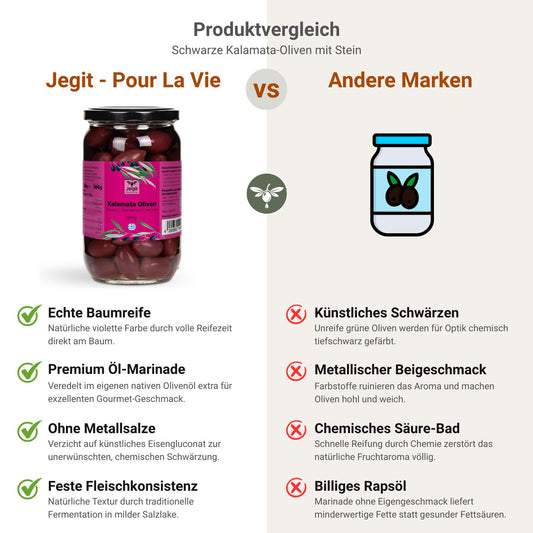
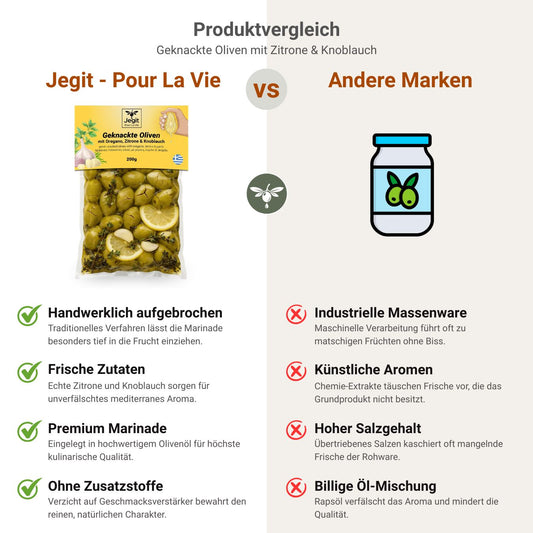
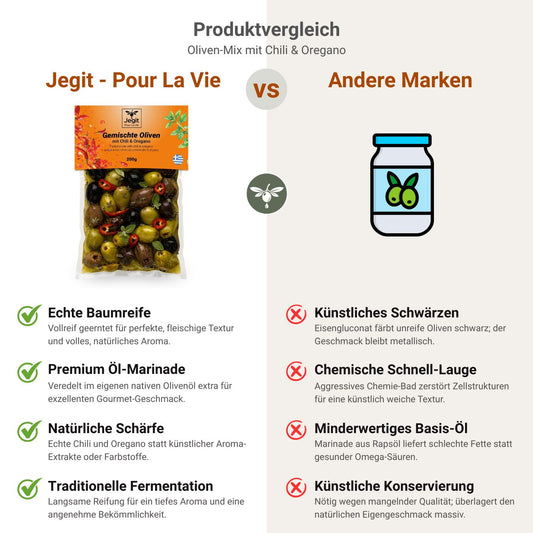
- Olives, two ways. No Mediterranean board is complete without them. Pair plump, dark Greek Kalamata olives with bright, firm green Chalkidiki olives for colour and a salty backbone.
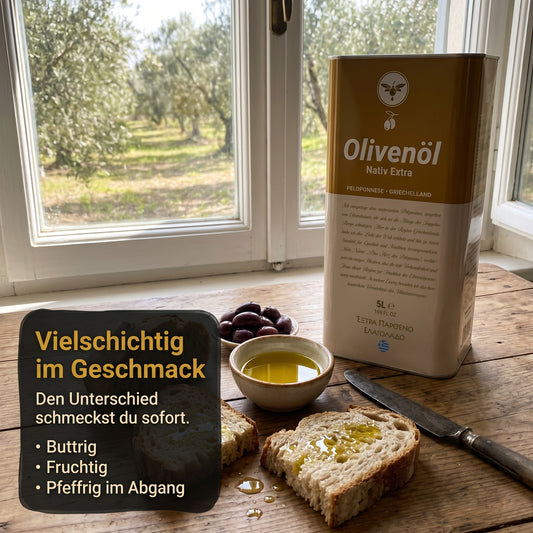
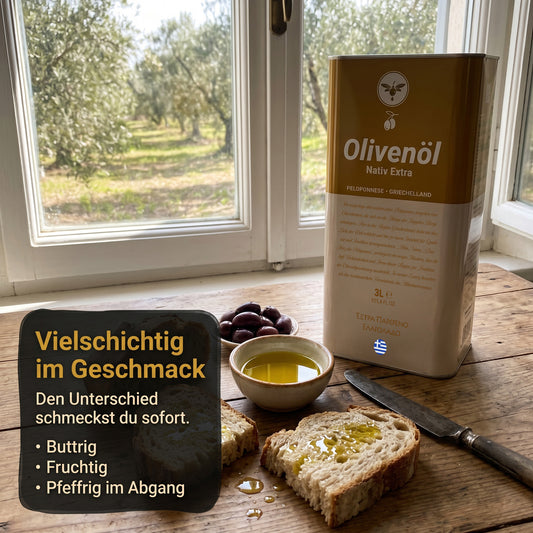
- A dish of good olive oil. A small bowl of extra virgin olive oil from the Peloponnese for dipping bread instantly lifts the whole board — and it is the one flavour everyone remembers.
- Cheese. A wedge of feta, some crumbly aged cheese, or creamy mozzarella.
- Cured meats. Prosciutto, salami or a little bresaola, loosely folded for height.
- Something fresh. Cherry tomatoes, cucumber ribbons or a few figs when in season.
- Something crunchy. Grissini, warm pita or slices of crusty sourdough.
Quality over quantity, always. A handful of genuinely good ingredients on a beautiful board beats an overloaded platter of average ones. Start with the right board and the rest falls into place.
How to arrange it like a pro
- Anchor with small bowls first. Place two or three little dishes — for the olives and the olive oil — onto the board before anything else. They give the arrangement structure and stop the oil and brine running everywhere.
- Add the cheese next. Position wedges and wheels at different points around the board so the eye travels across it, rather than clustering everything in one corner.
- Fold, don't flatten, the meats. Drape and ruffle cured meats into loose folds and little peaks. Height and movement are what make a board look abundant.
- Fill the gaps. Tuck tomatoes, crackers, bread and fresh herbs into the empty spaces so almost no wood shows through — except around that gorgeous live edge, which you want to leave on show.
- Finish with a drizzle. A thread of olive oil over the cheese and a scatter of herbs or cracked pepper ties the whole board together.
The handle on our board is not just for carrying: it gives the whole composition a natural focal point, so lean a few breadsticks against it and let it frame the spread.
Caring for your olive wood board
Treat it well and it will serve you for years. Wash it by hand with warm water and a little mild soap, never in the dishwasher, and dry it upright straight away. From time to time, rub in a thin coat of food-safe oil to keep the grain nourished and water-resistant. That is genuinely all it takes — olive wood is forgiving, which is part of why it is such a joy to own. Bring one home here and give it its first oiling before its debut.
Frequently asked questions
Can I use the same board for cutting and for serving? Yes. Olive wood is hard and knife-friendly, so our board happily doubles as a cutting and serving board. For pure presentation, keep one board just for serving so it always looks its best.
Why is every olive wood board different? Because each is cut from a unique section of a natural tree. The swirling grain, colour and exact shape vary from piece to piece — that individuality is the whole charm, not a flaw.
How big a board do I need? For two to four people grazing, a 35 cm board with a handle is the sweet spot: generous enough to look abundant, compact enough to pass around the table. Our olive wood antipasti board is made to exactly this size.
Our product tip
Olive Wood Antipasti Board with Handle (35 cm)
100% handmade from a single piece of natural olive wood, with a practical handle and a beautiful raw live edge — naturally hygienic, wonderfully durable and unique to you.
Shop the serving boardA great antipasti board is the most generous kind of hosting: effortless for you, memorable for everyone else. It all starts with the surface you build it on. Bring home your olive wood serving board, pile it high with olives, cheese and good olive oil, and set something beautiful on the table tonight. Pour La Vie.