Olive Wood Serving Board: How to Choose, Style and Care for an Antipasti Board
Few things say ‘the meal is about to begin’ quite like a beautiful board carried to the table, laden with cheese, cured meats, olives and warm bread. And no material does the job with more character than olive wood. Each board is cut from a slow-growing Mediterranean tree, with a swirling honey-and-caramel grain that no two pieces ever share. It is as much a centrepiece as a serving tool.
But an olive wood serving board is also a genuine investment, and choosing well — then looking after it properly — makes the difference between a board that lasts a lifetime and one that cracks within a season. This guide walks you through what to look for, how to style it, and how to keep it beautiful for years.
Why olive wood makes a beautiful serving board
Olive wood is exceptionally dense and hard-wearing, which is exactly what you want in a board that will be handled, passed around and wiped down again and again. That tight grain also makes it naturally water-resistant and less inclined to absorb odours or stains than softer woods.
There is a sustainability story too. Olive trees are grown for their fruit and oil first, and good boards are made from the wood of trees that have stopped producing — so nothing is felled purely for timber. The result is a hard-wearing, food-safe surface with an unmistakable warm grain, and a naturally antibacterial character that has made olive wood a fixture of Mediterranean kitchens for generations.
Above all, olive wood is beautiful. The flowing figure, the golden tones and the occasional dark streak turn even a simple wedge of cheese into something that looks considered and inviting.
What to look for when choosing one
Grain, colour and the live edge
Look for a rich, well-defined grain with warm golden-brown tones and darker veining — signs of mature, slow-grown wood. Many of the most attractive boards keep a ‘live edge’: the natural, uneven outline of the branch, left raw rather than sawn straight. It gives each piece a rustic, one-of-a-kind look and reminds you that it came from a real tree, not a factory mould.
Size, handle and weight
Think about how you will actually use the board. A length of around 35 cm is versatile: big enough for a generous antipasti spread for a few people, small enough to lift and pass easily. A built-in handle is a quiet but genuinely useful feature — it makes carrying, serving and hanging the board effortless. A board should feel reassuringly solid in the hand; olive wood’s natural density means quality boards have a pleasant heft without being unwieldy.
Because olive wood is a natural, handmade product, expect every board to differ slightly in shape, size and grain. That variation is the point, not a flaw. Our olive wood antipasti board with handle is a good example: roughly 35 cm including the handle, hand-finished, with a natural raw edge, so each one is entirely unique.
How to style an antipasti or cheese board
Half the pleasure of a serving board is the arranging. A few simple principles go a long way.
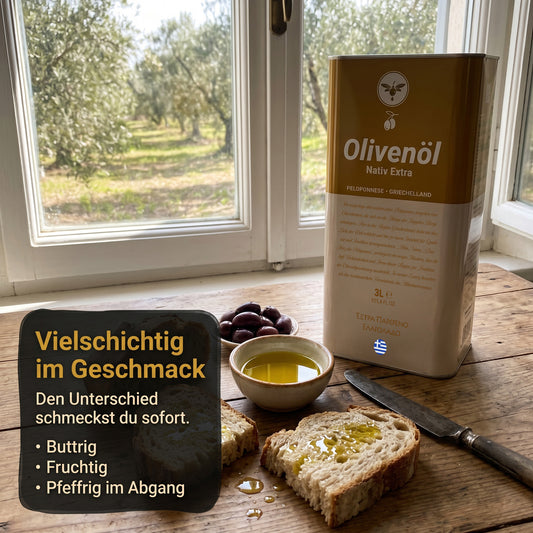
Start with anchors — two or three cheeses spaced across the board — then build around them. Add folded slices of cured meat, and fill the gaps with colour and texture: a small bowl of Kalamata olives or green olives, cherry tomatoes, a handful of crackers, some fresh herbs. Small dishes keep anything loose or oily from staining the wood and add height and interest. Finish with a drizzle of extra virgin olive oil over a wedge of cheese, or offer it alongside for dipping bread.
Aim for abundance and a mix of shapes — rounds, wedges, scattered nuts of colour — and leave the handle clear so the board is easy to lift and pass. The warm grain of olive wood does a lot of the decorating for you; you simply need to give it good things to hold.
How to care for your olive wood board
Olive wood is tough, but it is still natural wood, and a little care keeps it from drying out or cracking.
Everyday cleaning
Wash the board by hand with warm water and a little mild washing-up liquid, then dry it immediately with a cloth and let it finish air-drying flat. Never put an olive wood board in the dishwasher, and never leave it soaking in water — prolonged moisture and harsh heat are what cause splitting. If it picks up a strong smell, such as garlic or onion, rub it with half a lemon and a little coarse salt, then rinse and dry.
Oiling and seasoning
Every few weeks, or whenever the wood starts to look dull and dry, treat it with a food-safe oil. A neutral, dedicated cutting-board oil is ideal; rub a thin coat over the whole surface, let it soak in for a few hours or overnight, then buff off any excess. This replenishes the wood, brings the grain back to life and reinforces its natural water resistance. Keep the board stored somewhere with stable temperature and humidity, away from a hot oven or a sunny windowsill.
Frequently asked questions
Can I cut on an olive wood serving board?
You can for light tasks like slicing bread or cheese, but a dedicated serving board is best kept for presenting food rather than heavy chopping. For daily cutting, a thicker olive wood cutting board is the better tool; it protects your knives and takes the wear.
Is olive wood dishwasher safe?
No. The heat and prolonged water of a dishwasher will dry out and crack olive wood. Always wash it by hand and dry it promptly.
Why does each board look different?
Because each is cut from a unique piece of a real olive tree and finished by hand. Variations in shape, colour, grain and the raw edge are natural and make your board one of a kind.
Our Product Tip
Olive Wood Antipasti Board with Handle (35 cm)
Handmade from natural olive wood with a live edge and practical handle — a unique centrepiece for cheese, charcuterie and antipasti.
Shop the Serving BoardChoose a well-made board, treat it with a little regular care, and an olive wood serving board becomes one of those pieces that gets better with age — carrying the marks of every gathering it has been part of. Natural, hard-wearing and quietly beautiful, made to be used and shared. Pour La Vie.