Olive Wood Cutting Boards: How to Choose, Oil and Care for Yours So It Lasts for Years
A good olive wood cutting board is one of those rare kitchen objects that is useful every single day and beautiful enough to leave out on the counter. Unlike a plastic board that scars, warps and ends up in landfill, a well-chosen olive wood board can last for decades and only grows more characterful with age. The catch? A board this natural needs to be chosen well and cared for properly – and most people are never told how.
This guide walks you through everything: what makes olive wood special, how to spot a quality board, and exactly how to oil and clean yours so it stays gorgeous for years. And if you would rather start with a board that already ticks every box, our handmade Olive Wood Cutting & Serving Board is a good place to begin. Take a look here.
Why olive wood?
Olive wood is one of the densest, hardest woods used in the kitchen, and that density is exactly what makes it so good for cutting boards. The tight, closed grain absorbs very little moisture, which means it resists staining and odours and is naturally antibacterial – qualities that cheaper, more porous woods simply cannot match. It is also kind to your knives: firm enough to take daily chopping, yet softer than stone or glass boards that blunt your blades.
Then there is the look. No two pieces of olive wood are ever the same. The swirling, honey-and-amber grain means every board is genuinely one of a kind. Our olive wood board is 100% handmade, exceptionally robust, and finished with a protective oil so it arrives ready to use. There is also a quiet sustainability story behind it: we source our wood only from olive trees that no longer bear fruit, so nothing is wasted and no productive tree is ever cut down. Bring one into your kitchen here.
How to choose a good olive wood cutting board
Not all boards are created equal. Here is what to look for before you buy:
- Solid, close grain. Look for a dense, tight grain with those characteristic dark swirls. This is what gives olive wood its strength and its natural resistance to moisture and bacteria.
- A generous, practical size. A board that is too small is a daily frustration. Something around 50 x 23 cm, like ours, gives you real room to chop and doubles as a serving platter.
- A juice groove. A carved channel around the edge catches liquid from juicy vegetables or carved meat, keeping your counter clean. Our board even has a flat, groove-free reverse side, so it works as both a chopping surface and a charcuterie platter.
- Honest, natural craftsmanship. Choose a handmade board with natural, raw edges rather than a uniform factory shape – it is a sign the wood has been worked with respect rather than ground down. Each piece will vary slightly, and that is exactly the point.
- A sustainable source. The best boards come from olive trees that have stopped fruiting, giving the wood a second life.
A board that gets all of this right is a lifetime purchase. If you would like one that already does, our handmade olive wood board is ready for you here.
How to care for your olive wood board
Caring for olive wood is simple once you know the routine. Treat it well and it will outlast almost everything else in your kitchen.
- Wash by hand, every time. Rinse with lukewarm water and a little mild washing-up liquid, then wipe clean. Never put an olive wood board in the dishwasher – the heat and prolonged water exposure will crack it.
- Dry it upright. Pat the board dry with a cloth and stand it on its edge so air can circulate on both sides. Never leave it lying flat in a pool of water or flat against the counter to dry.
- Don’t soak it. A quick wash is fine; a long soak is not. Standing water is the single fastest way to ruin a wooden board.
- Oil it regularly. Every couple of weeks – or whenever the wood looks dry or pale – rub in a thin layer of food-safe oil and let it soak in overnight. This feeds the wood, restores the grain and keeps it water-resistant.
- Refresh the surface. If the board ever feels rough or shows light scratches, a gentle sand with fine paper followed by a good oiling brings it straight back to life.
A quick word on oiling
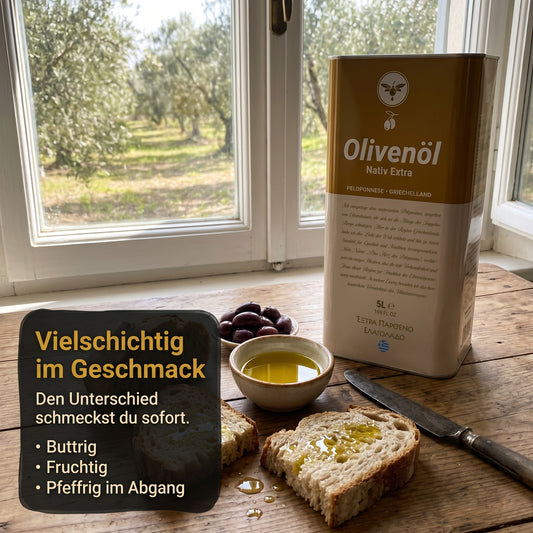
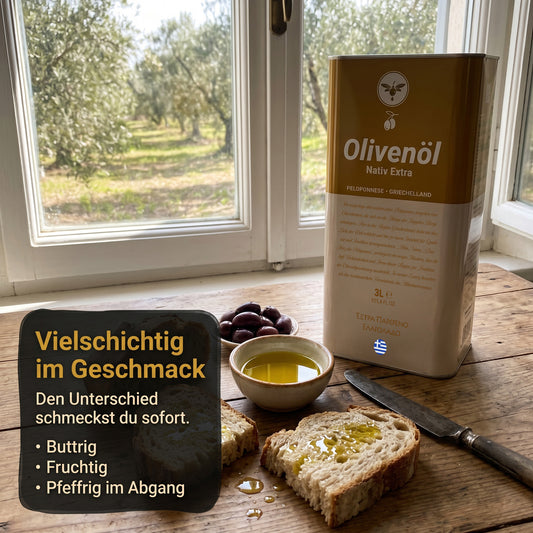
Oiling is the heart of wood-board care, and it is worth doing properly. A dry board is a board that will eventually crack. Warm the wood slightly, apply a thin, even coat of a food-safe oil, leave it to absorb overnight, then buff off any excess in the morning. Do this regularly and your board will keep that deep, warm glow for years. Many people reach for mineral oil, but a kitchen that already keeps a good extra virgin oil to hand has everything it needs to keep its wood – and its food – in top condition.
Everyday ways to use it
An olive wood board is far more than a chopping surface. Flip it to the flat side and build a Mediterranean antipasti spread with olives, cheese and cured vegetables. Use the juice-groove side to carve a Sunday roast without flooding the table. Serve warm bread with a dish of olive oil, present cheese at a dinner party, or simply let it sit on the counter as a beautiful, functional centrepiece. Treated kindly, it becomes the board you reach for every day. Add our handmade olive wood board to your kitchen here.
Our product tip
Olive Wood Cutting & Serving Board (50 x 23 cm)
100% handmade from dense, naturally antibacterial olive wood, with a juice groove on one side and a flat serving surface on the other – a one-of-a-kind board built to last for years.
Secure your olive wood boardFrequently asked questions
How often should I oil my olive wood cutting board?
As a rule, every two to four weeks with regular use, or any time the wood starts to look dry, dull or pale. Apply a thin layer of food-safe oil, let it soak in overnight, and buff off the excess. A well-oiled board stays water-resistant and keeps its rich colour.
Can olive wood boards go in the dishwasher?
Never. The intense heat and long exposure to water will cause the wood to swell, warp and crack. Always wash your board by hand with lukewarm water and mild detergent, then dry it standing on its edge. This simple habit is what lets a good olive wood board last for decades.
Is olive wood really more hygienic than plastic?
Olive wood has a very dense, closed grain that absorbs little moisture and is naturally antibacterial, which is why it resists odours and staining so well. Combined with proper hand washing, prompt drying and regular oiling, it is an excellent, long-lasting choice for everyday food prep.
The final word
An olive wood cutting board rewards the little care it asks for. Choose a dense, handmade board from a sustainable source, wash and dry it by hand, and oil it regularly – and you will have a naturally antibacterial, utterly unique piece of the Mediterranean that lasts a lifetime. Start with a board worthy of your kitchen – Pour La Vie.