Natural Cosmetics Without Additives: A Simple Guide to Truly Clean Skincare
Walk down any beauty aisle and the promises come thick and fast: natural, pure, clean, gentle. Yet turn the bottle over and the ingredient list often tells a different story, dense with names most of us cannot pronounce, let alone recognise. If you have ever wondered what natural cosmetics without additives actually means, and how to tell a genuinely clean product from a cleverly marketed one, this guide is for you. The good news is that truly simple skincare is not complicated. It just asks you to look a little closer and to trust ingredients you can understand.
At Jegit, our whole philosophy is built on the idea of natural, without additives, with a story of origin behind every product. Below we explain what additive-free really means, which ingredients are worth questioning, and how to build a calm, minimal routine around products that let nature do the work.
What “Natural” and “Additive-Free” Really Mean
Here is the catch that surprises many people: words like natural, pure and gentle are not tightly protected on cosmetic packaging. A product can carry a leaf on the label and still contain a long list of synthetic helpers. That does not automatically make it harmful, but it does mean the front of the pack is marketing, and the real information lives on the back.
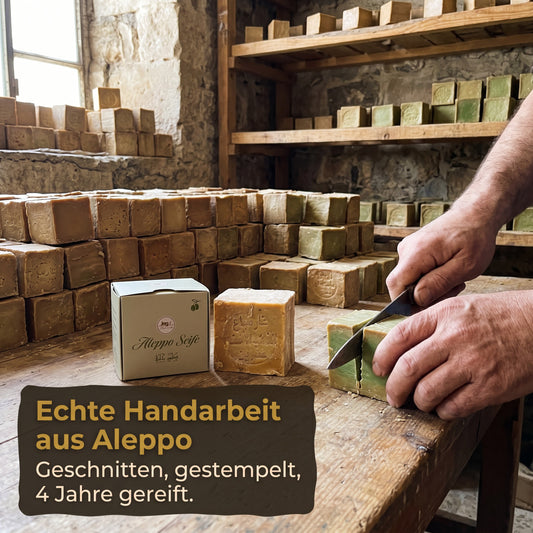
Additive-free skincare, in the honest sense, means a short ingredient list where every component has a clear purpose and nothing is added simply to colour, perfume, preserve or bulk out the product. Traditional soaps and oils are a good example. Classic Aleppo soap, for instance, is made from just a handful of ingredients: olive oil, laurel oil, water and a natural alkali that turns oil into soap. There is nothing to hide because there is nothing extra to add. That simplicity is not old-fashioned; it is precisely what a growing number of people are looking for.
The Ingredients Worth Questioning
You do not need a chemistry degree to shop more thoughtfully. A handful of common additives account for most of what people hoping to simplify their routine choose to avoid:
- Synthetic fragrance (parfum). A single “fragrance” listing can hide dozens of undisclosed compounds and is one of the more frequent triggers for sensitive skin. Naturally scented or fragrance-free products sidestep the guessing game.
- Harsh sulphates. Strong foaming agents such as SLS clean effectively but can leave skin feeling tight and stripped, especially if it is already dry or reactive.
- Synthetic dyes. Colour is purely cosmetic. A soap does not need to be bright pink to work, and the natural greenish-brown of an olive-oil bar is a sign of what it is made from.
- Silicones and mineral-oil derivatives. These create an instant smooth feel but offer little to the skin itself, essentially sitting on the surface.
- Excess preservatives. Some preservation is necessary in water-based products, but a very long preservative list can hint at an over-engineered formula.
The aim is not fear. It is awareness. Once you know what these ingredients are for, you can decide for yourself what belongs in your bathroom.
How to Read a Skincare Label
Every cosmetic sold in Europe lists its ingredients using INCI names, in order of quantity from most to least. That order is your most useful tool. A few simple habits make label-reading quick:
Start at the top, since the first few ingredients make up the bulk of the product. Look for recognisable names such as olive oil (Olea Europaea) or shea near the beginning rather than the end. Be wary of a very long list, as fewer ingredients usually means fewer additives. Notice where water sits; in a rich cream it is normal, but if you are paying a premium for actives, you want them present in meaningful amounts. And treat vague front-of-pack claims as an invitation to check the back, not a substitute for it. With a little practice, a ten-second glance tells you most of what you need to know.
Building a Simple, Additive-Free Routine
Clean skincare does not require a shelf of products. For most people, two well-chosen steps do the heavy lifting: a gentle cleanser and a nourishing moisturiser. Keep those honest and you have a routine that respects your skin and your budget.
Cleanse with an olive-oil soap
A traditional olive-oil soap is one of the oldest additive-free cleansers there is. Our Aleppo soap with 60% olive oil and 40% laurel oil is cut by hand and matured for at least four years, with no synthetic fragrance, colour or foaming agents. It cleanses the skin while olive oil helps it feel soft rather than stripped, which is why so many people use a single bar for face, body and even hair. As a firm bar with no plastic bottle, it is also a quietly sustainable choice.
Moisturise with an olive-leaf cream
After cleansing, a good moisturiser helps the skin feel comfortable and supported. Our Rich Antioxidant Cream with Olive Leaf is built around antioxidants drawn from the olive tree and made in Austria to careful standards. It forms a protective layer of moisture that suits dry and demanding skin, without the long list of fillers you find in many mass-market creams. The olive tree gives its fruit, its oil and its leaves to skincare, and here the leaf takes centre stage.
Natural Skincare for Sensitive Skin
If your skin flushes, tingles or feels tight after washing, simplifying your products is often the kindest thing you can do. Sensitive skin tends to react to the extras, the fragrance and the harsh surfactants, rather than to the cleansing itself. Choosing a mild, additive-free soap and a straightforward moisturiser removes many of the usual suspects at once. Introduce new products one at a time so you can see how your skin responds, and give any change a couple of weeks; skin likes consistency more than novelty. As always, if you have a specific skin condition, a dermatologist is the right person to advise you. Clean cosmetics are about everyday care, not medical treatment.
Frequently Asked Questions
Does “natural” always mean better for my skin?
Not automatically. Natural origin is a good starting point, but what matters most is the full formula: a short, transparent ingredient list with a clear purpose behind each item. A simple, well-made product beats a “natural” label every time.
Are additive-free products suitable for all skin types?
Generally yes, and that is part of their appeal. Because they leave out common irritants like synthetic fragrance and dyes, minimalist products tend to suit a wide range of skin, including sensitive types. The best approach is still to patch test and introduce one product at a time.
Can one product really replace several?
Often, yes. A traditional olive-oil soap can serve as a face, body and hair cleanser, and a single good moisturiser covers most daily needs. Simplifying not only reduces additives but also makes your routine easier to keep up with.
Our product tip
Aleppo Soap – 60% Olive Oil & 40% Laurel Oil
A hand-cut, four-year matured soap made without synthetic fragrance, colour or additives, for face, body and hair.
Shop Aleppo SoapClean Skincare, the Honest Way
Natural cosmetics without additives are not a trend to chase but a simpler way of caring for your skin: fewer ingredients, more transparency, and products whose origin you can actually trace. Read the back of the pack, favour short and recognisable ingredient lists, and let a couple of well-made essentials replace a crowded shelf. Your skin rarely needs more; it usually needs less, chosen with care. That belief in the natural and the unadulterated is at the heart of everything we make. Pour La Vie.