Aleppo Soap for Acne and Oily Skin: A Gentle, Natural Cleansing Routine
If your skin tends to look shiny by midday or breaks out when you use the wrong product, you have probably searched for a cleanser that feels effective without stripping or irritating. That search often leads people to Aleppo soap — a traditional olive-and-laurel bar that has been made in the same patient way for centuries. This guide explains what makes it different, why so many people with oily and blemish-prone skin reach for it, and how to use it as part of a calm, sensible routine. As always, gentle skincare is about balance, not miracles.
What is Aleppo soap?
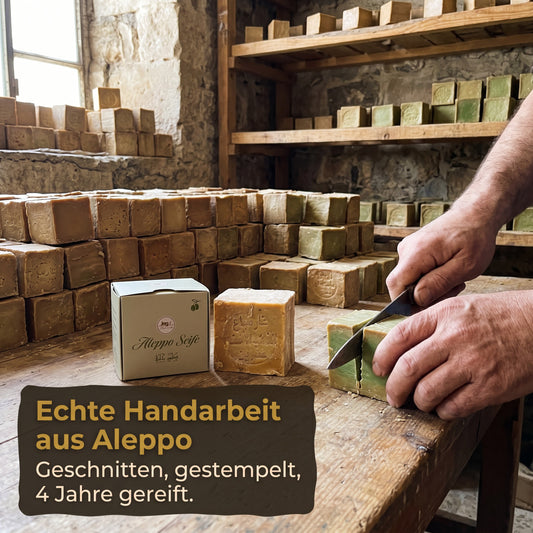
Authentic Aleppo soap is made from just two oils and the basics of true soap-making: olive oil, laurel (bay) oil, water and a natural alkali, cured slowly over years. There are no synthetic fragrances, colourants, hardeners or foaming agents. Jegit’s bar combines 60% olive oil and 40% laurel oil and is aged for at least four years, which gives it its mild character and its distinctive earthy scent. Because the ingredient list is so short and free of additives, it appeals to people who want to know exactly what they are putting on their skin.
Why people with oily or blemish-prone skin choose it
Oily and blemish-prone skin is tricky. Harsh foaming washes can strip the skin’s surface, which sometimes prompts it to produce even more oil in response — the opposite of what you wanted. A traditional soap like this takes a gentler approach. It cleanses away excess oil, sweat and grime without the long list of drying synthetic detergents found in many blemish washes, so skin is left feeling clean rather than tight and squeaky.
The two key ingredients are the reason for its long-standing reputation. Olive oil is naturally rich and conditioning, helping the skin feel comfortable after washing. Laurel oil has been valued for generations for its cleansing, purifying character, which is exactly why people with congested or oily skin gravitate towards a higher-laurel bar. None of this is a medical treatment for acne — but as a simple, additive-free daily cleanser, many people find it a kinder base for skin that reacts badly to fragranced products.
What makes it different from a typical acne wash
Most anti-blemish washes rely on strong surfactants and active ingredients to degrease the skin quickly. They can work, but for some people they lead to redness, flaking and a cycle of over-drying and rebound oiliness. Aleppo soap works differently: it is a genuine soap, not a detergent bar, and it is fragrance-free and additive-free. For sensitive, reactive or combination skin that cannot tolerate perfumed products, that simplicity is often the whole appeal.
How to use Aleppo soap on oily, blemish-prone skin
- Patch test first. Before making it your daily cleanser, wash a small area (such as your jaw) for a few days to make sure your skin is happy with it.
- Work up a lather in your hands. Wet the bar and your hands, then rub the soap between your palms to build a soft, creamy lather rather than scrubbing the bar directly on your face.
- Massage gently. Using your fingertips, massage the lather over damp skin in small circles for around 20–30 seconds. There is no need to scrub — let the soap do the work.
- Rinse thoroughly with lukewarm water. Hot water can leave skin feeling tight, so keep it lukewarm and rinse until no residue remains.
- Pat dry and moisturise. Even oily skin benefits from a light moisturiser afterwards to keep it balanced.
- Start once a day. Begin with an evening wash to remove the day’s oil and pollution. If your skin stays comfortable, you can add a morning wash.
Between uses, let the bar dry out on a well-draining soap dish. A traditional soap lasts far longer — and stays firmer — when it is not sitting in a puddle of water.
A few honest tips
Give it a little time. Switching from a foaming detergent wash to a traditional soap can feel unfamiliar at first, and some people notice an adjustment period. Two to three weeks is usually enough to tell whether it suits you.
Do not over-cleanse. With oily skin it is tempting to wash constantly, but over-washing can backfire. Twice a day is plenty.
Listen to your skin. If you notice persistent dryness, tightness or irritation, cut back to once a day or every other day. Everyone’s skin is different, and a higher laurel-oil content feels more purifying to some and a little strong to others.
Persistent or severe breakouts deserve professional advice. A gentle cleanser is a supporting act. If acne is painful, cystic or not improving, a dermatologist can help you find the right plan.
Frequently asked questions
Is Aleppo soap good for oily skin?
Many people with oily skin like it because it cleanses away excess oil without the harsh synthetic detergents that can trigger rebound shine. It is fragrance-free and additive-free, which suits skin that reacts to perfumed washes. Use it once or twice a day and always follow with a light moisturiser.
Can Aleppo soap cause a purge or breakouts at first?
Some people notice a short adjustment period when switching to any new cleanser. Introduce it gradually, patch test, and give your skin two to three weeks. If irritation continues, reduce how often you use it.
Should I choose a higher laurel-oil percentage for blemish-prone skin?
Laurel oil is the more purifying, cleansing component, so people with oily or congested skin often prefer a bar with a noticeable laurel content, such as a 40% blend. Very sensitive or dry skin may prefer a lower percentage. It comes down to how your own skin feels.
Our product tip
Aleppo Soap – 40% Laurel Oil & 60% Olive Oil
A traditional, additive-free olive-and-laurel bar, patiently aged for at least four years — a gentle daily cleanser for face and body.
Shop Aleppo soapFor oily and blemish-prone skin, the appeal of Aleppo soap is its honesty: two natural oils, no additives and a gentle clean that respects your skin’s balance. Treat it as the calm, dependable base of your routine, be patient, and let simple, natural care do its quiet work — Pour La Vie.