Olive Oil Soap: Benefits, Uses and How to Choose the Right Bar
Olive oil soap is one of the oldest beauty products in the world, and one of the simplest. Long before shelves filled up with synthetic gels and foaming washes, people around the Mediterranean cleansed their skin with a humble bar made mostly from olive oil. Centuries later, that same idea is winning a new following among people who want fewer ingredients, gentler care and a more honest relationship with what they put on their skin.
If you have been curious about switching to a natural bar but are not sure where to start, this guide explains what olive oil soap really is, why it is so gentle, how to use it on your face, body and hair, and how to recognise a genuine, well-made bar from a mass-produced imitation.
What Is Olive Oil Soap?
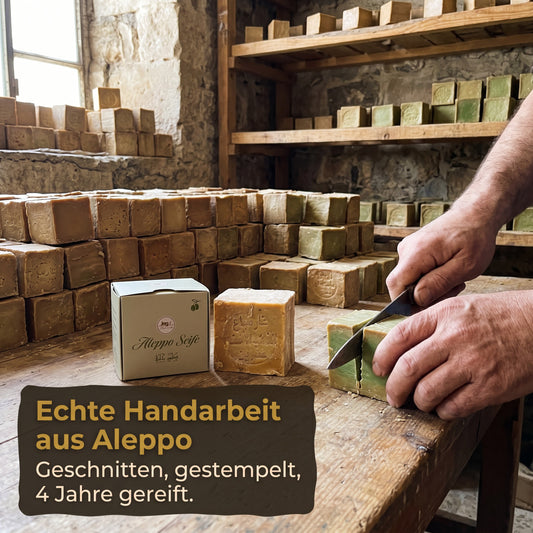
At its heart, olive oil soap is exactly what the name suggests: soap in which olive oil is the main ingredient. Traditional recipes combine olive oil with water and a natural alkali, and then leave the bars to cure and harden over weeks, months or even years. Some classic varieties, such as the soaps of the eastern Mediterranean, add a second oil for extra character. Our own Aleppo soap with 60% olive oil and 40% laurel oil follows this time-honoured tradition, hand-cut and matured for four years before it ever reaches you.
What sets a true olive oil soap apart is its short, recognisable ingredient list. There are no synthetic fragrances, no artificial colours and no fillers. That simplicity is the whole point: every part of the bar earns its place.
Why Olive Oil Makes Such a Gentle Soap
Olive oil has been valued as a skin-care ingredient for thousands of years, and for good reason. It is naturally rich in mono-unsaturated fats and antioxidants that help a soap clean without stripping the skin of its own protective oils. Where many conventional washes leave skin feeling tight and squeaky, a good olive oil bar tends to leave it feeling soft and comfortable.
Because the formula is so mild, olive oil soap suits a wide range of skin types, including skin that is dry, mature or easily irritated. It produces a creamy, low, lotion-like lather rather than the big fluffy foam of detergent-based products, which is a sign that it is cleansing gently. Many people who find ordinary soaps harsh discover that a simple olive oil bar feels far kinder day to day.
How to Use Olive Oil Soap
One of the joys of a natural olive oil bar is its versatility. A single soap can replace several plastic bottles in your bathroom.
On the face
Wet your skin with lukewarm water, work the bar into a soft lather between your hands, and massage it gently over your face in circular movements. Rinse and pat dry. Used morning and evening, it makes a calm, fuss-free cleanser. Follow with your usual moisturiser if your skin likes it.
On the body
In the shower or bath, an olive oil bar cleanses the whole body while helping skin feel nourished rather than dried out. It is a particularly pleasant choice in winter, when central heating and hot water can leave skin feeling parched.
On the hair
Traditional olive oil soaps such as Aleppo soap have long been used as a natural shampoo bar. Rub the bar directly over wet hair or build up a lather in your hands, massage it into the scalp, then rinse thoroughly. An acidic rinse of diluted vinegar afterwards helps smooth the hair. It can take a little time for hair to adjust, so give it a couple of weeks before judging the result.
What to Look For When Choosing a Bar
Not every product labelled "olive" is the real thing, so it pays to read carefully. A few simple checks will help you find a bar worth buying.
First, look at the ingredient list. A genuine olive oil soap should have olive oil at or near the top, with very few other components and no synthetic fragrance or colour. Second, consider how it is made. Bars that are hand-cut and traditionally cured tend to be milder and longer lasting than quickly produced industrial soap. Our Aleppo soap, for example, is matured for four years so the natural ingredients reach their full mildness.
Third, think about origin and transparency. A trustworthy maker is happy to tell you where the oil comes from and how the soap is produced. Finally, do not be put off by a plain appearance or an earthy, natural scent. A pure olive oil bar will never look or smell like a brightly perfumed supermarket soap, and that is exactly as it should be.
Caring for Your Soap
A natural bar will reward a little care. Keep it on a well-drained dish away from the direct stream of the shower so it can dry fully between uses. A bar that is allowed to dry out lasts considerably longer than one left sitting in a puddle of water. Stored somewhere cool and airy, a well-made olive oil soap keeps beautifully and only becomes harder and milder with age.
Frequently Asked Questions
Is olive oil soap suitable for sensitive skin?
Its short ingredient list and gentle, non-stripping wash make olive oil soap a popular choice for sensitive and dry skin. As with any new product, it is sensible to try it on a small area first if your skin reacts easily.
Can I really use one bar for face, body and hair?
Yes. Traditional olive oil soaps were designed to be all-purpose, and many people happily use a single bar from head to toe. Hair in particular may need a short adjustment period when you first switch.
Why does my olive oil soap not foam much?
A modest, creamy lather is completely normal and is actually a good sign. The big, airy foam of many conventional washes usually comes from synthetic detergents, which a pure olive oil bar simply does not contain.
Our product tip
Aleppo Soap – 60% Olive Oil & 40% Laurel Oil
A traditional, hand-cut olive oil soap, matured for four years for natural mildness on face, body and hair.
Discover the soapChoosing an olive oil soap is a small change that brings your daily routine closer to nature. With a single, honest bar made from ingredients you can actually name, you cleanse gently, waste less and rediscover a tradition that has cared for skin for centuries. Pour La Vie.