Olive Oil for Skin: Benefits, Uses and How to Apply It
Long before serums and sheet masks filled bathroom shelves, people around the Mediterranean were caring for their skin with one simple ingredient: olive oil. Pressed from the fruit of the olive tree, it has been used to soften, soothe and protect the skin for thousands of years. Today, as more of us look for gentle, natural alternatives to complicated routines, olive oil is enjoying a well-deserved revival. In this guide we look at what makes olive oil good for the skin, how to use it on your face and body, which skin types it suits best, and how modern olive-based skincare builds on this ancient tradition.
Why Olive Oil Has Been a Skincare Staple for Centuries
In ancient Greece and Rome, olive oil was rubbed into the skin after bathing, used in massage, and valued as a everyday beauty essential. This was not a passing trend: the olive tree was woven into Mediterranean life, and its oil was one of the few natural emollients people had to keep skin supple under a hot sun. That heritage is part of what makes olive oil so appealing today – it is a time-tested ingredient with a simple, transparent origin, free from the long ingredient lists of many conventional products.
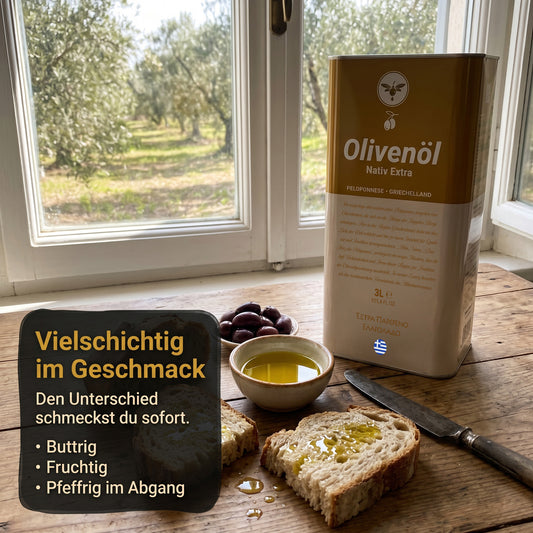
At Jegit, that connection to origin is at the heart of everything. Our olive oil comes from hand-harvested fruit and is made without chemicals, the same unhurried, natural approach that has always defined good Mediterranean oil.
What Makes Olive Oil Good for the Skin
Olive oil’s reputation as a skincare ingredient comes down to its composition. A genuine extra virgin olive oil is rich in compounds that are naturally kind to skin.
A natural source of antioxidants
Extra virgin olive oil contains vitamin E and plant polyphenols, antioxidants that help protect the skin from the visible effects of environmental stress such as pollution and sun exposure. A fresh, cold-extracted, unfiltered oil tends to retain more of these naturally occurring compounds than a heavily refined one, which is why quality matters when you use oil on your skin.
Nourishing fatty acids
Olive oil is high in oleic acid, a moisture-rich fatty acid that helps soften the skin and support its natural barrier. Applied thinly, it can leave skin feeling smooth and comfortable, making it a popular choice for dry or rough areas like elbows, knees and hands.
A simple, gentle formula
For people who prefer minimalist skincare, pure olive oil is about as simple as it gets: a single, recognisable ingredient with no synthetic fragrance or additives. This straightforwardness is exactly why it has stayed popular through generations of changing beauty trends.
How to Use Olive Oil on Your Skin
As a facial or body oil
Warm two or three drops of olive oil between clean fingertips and press gently onto slightly damp skin, then massage in. Applying it to damp skin helps lock in moisture. A little goes a long way – the goal is a soft, nourished feel rather than a greasy film. For the body, a small amount smoothed on after a shower helps skin feel supple.
As a gentle cleanser
Olive oil can be used as part of an oil-cleansing step to loosen everyday grime and make-up. Massage a little onto dry skin, then wipe away with a warm, damp cloth. Because it is mild, many people find it a comfortable option for removing eye make-up.
For hands, cuticles and lips
A single drop worked into dry cuticles, rough hands or chapped lips is a quick, natural way to add comfort and softness. Keeping a small bottle within reach makes it easy to use whenever skin feels dry.
Which Skin Types Suit Olive Oil?
Olive oil is generally most loved by those with normal to dry skin, who appreciate its rich, cushioning feel. If your skin is oily or acne-prone, take a more measured approach: oleic-rich oils can feel heavy and may not suit everyone, so use sparingly and see how your skin responds. As with any new product, it is wise to do a small patch test on the inner arm first and to introduce it gradually. If you have a specific skin condition, speak to a dermatologist before adding any oil to your routine.
From Kitchen Oil to Modern Olive Skincare
Pure olive oil is a lovely natural option, but the olive tree offers even more than its fruit. The leaves are exceptionally rich in antioxidants, and modern natural cosmetics harness this with carefully formulated creams and masks that combine olive-derived actives with the right texture for the face.
If you love the idea of olive-based skincare but want a formula tailored to your skin, Jegit’s olive-leaf range is a natural next step. The Rich Antioxidant Cream with Olive Leaf is designed for dry, demanding skin and forms a protective moisture barrier, while the lighter Soft Antioxidant Cream with Olive Leaf suits oily and sensitive skin without feeling heavy. For a weekly reset, the Antioxidant Mask with Olive Leaf pairs mineral-rich clay with olive-leaf antioxidants. Each one is made in Austria and carries the same respect for natural origin as our oil.
Tips for Choosing the Right Olive Oil for Skin
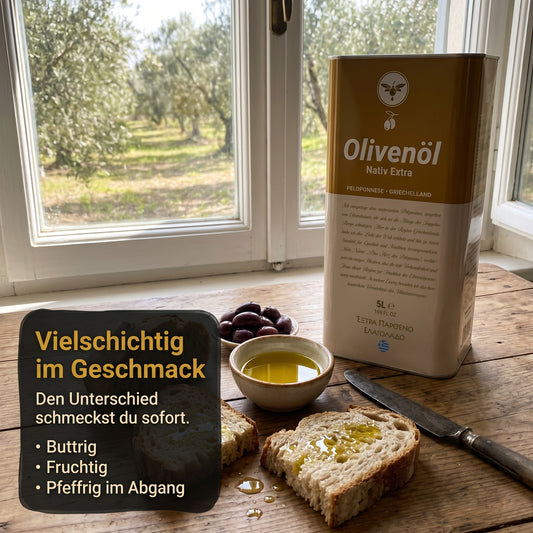
If you want to use the oil itself on your skin, choose a genuine extra virgin olive oil rather than a refined or blended one. Look for oil that is cold-extracted and ideally unfiltered, as these methods preserve more of the natural antioxidants. A fresh, fragrant oil with a peppery note is a good sign of quality. Store it away from heat and light so it stays fresh, and only use a clean, food-grade oil on your skin. Because the same qualities that make an oil good to eat also make it pleasant on skin, a well-made culinary oil like a Peloponnese extra virgin olive oil is a beautiful place to start.
Frequently Asked Questions
Can I use cooking olive oil on my face?
Yes, provided it is a clean, high-quality extra virgin olive oil. The same unrefined oil you enjoy in the kitchen can be used on the skin; just apply a thin layer and patch test first. Avoid heavily refined or flavoured oils.
Will olive oil clog my pores?
Olive oil is rich and works best on normal to dry skin. If you are prone to breakouts, use only a tiny amount or choose a lightweight, purpose-made cream such as a soft olive-leaf moisturiser instead, and monitor how your skin reacts.
How often should I use olive oil on my skin?
For most people a few times a week is plenty, or daily on very dry areas like hands and elbows. Listen to your skin: if it feels comfortable and soft, your routine is working; if it feels heavy, simply use less.
Our product tip
Rich Antioxidant Cream with Olive Leaf
Olive-leaf antioxidants in a nourishing cream that forms a protective moisture barrier for dry, demanding skin.
Shop the creamFrom the kitchen table to the dressing table, olive oil remains one of nature’s simplest and most generous gifts for the skin. Whether you reach for a pure extra virgin oil or a modern olive-leaf cream, you are tapping into a tradition of natural care that has stood the test of time. Pour La Vie.