Aleppo Soap for Laundry: How to Wash Clothes Naturally
Most of us know Aleppo soap as a gentle bar for the face, body and hair. Far fewer people realise that this ancient olive-and-laurel soap has been used for centuries for another everyday task: washing clothes. As more households look for a simpler, plastic-free way to do the laundry, the humble soap bar is quietly making a comeback. If you have ever wondered whether you can really clean your washing with a single natural bar, the answer is yes — and this guide shows you exactly how.
Can You Really Wash Clothes With Aleppo Soap?
You can. Long before boxed detergents and plastic bottles existed, people across the Levant and the Mediterranean scrubbed their linens with olive-oil soap. Aleppo soap is a true soap, which means it is made by combining plant oils with an alkali to create natural surfactants — the molecules that lift grease and dirt away from fabric so they can be rinsed off with water. Our own Aleppo soap with 60% olive oil and 40% laurel oil is made exactly this way, with nothing added, which is why it works on skin and textiles alike.
Why Aleppo Soap Works for Laundry
The cleaning power comes from its two oils. Olive oil forms a mild, skin-friendly soap base that loosens everyday grime without harsh chemicals, while laurel (bay) oil brings its own naturally cleansing and pleasantly herbal character. Because the bar contains no synthetic fragrances, optical brighteners, enzymes or fillers, it rinses cleanly and leaves very little behind. For anyone with sensitive skin who reacts to conventional detergents, that short, honest ingredient list is often the whole appeal.
It is worth setting expectations, too. A natural soap produces less foam than a modern detergent, and foam is not what does the cleaning — the surfactants are. So do not judge the results by the amount of suds you see.
How to Use Aleppo Soap for Laundry
Hand-washing
For hand-washing, fill a basin with warm water and swish the bar through it for a few seconds to release the soap, or lather it directly onto damp fabric. Work it gently into the cloth, let the garment soak for ten to fifteen minutes, then rinse thoroughly in clean water until it runs clear. This is ideal for everyday items, underwear and lightly soiled clothes.
Spot-treating stains and collars
Aleppo soap makes an excellent pre-treatment. Dampen the stained area, rub the bar directly onto it to build a paste, and gently work it in with your fingers or a soft brush. Leave it for a few minutes before washing as usual. It is particularly handy on grubby collars, cuffs and fresh food marks.
Making soap flakes for the machine
To use Aleppo soap in a washing machine, grate a small amount of the bar into fine flakes with a kitchen grater. Dissolve roughly one to two tablespoons of flakes in a little hot water to make a paste or liquid, then add it to the drum or detergent drawer. Because pure soap can react with the minerals in hard water, adding a spoonful of washing soda to the wash, and a dash of white vinegar in the rinse compartment, helps keep fabrics soft and residue-free.
Delicates and wool
The mildness that makes Aleppo soap kind to skin also makes it gentle on delicate fabrics. A few soap flakes dissolved in lukewarm water create a soft bath for hand-washing wool, silk and other delicates. Always wash in cool water for these fibres, handle them gently, and rinse well.
What to Expect From Natural Laundry
Clothes washed with Aleppo soap come out fresh and clean, with only a faint, natural scent rather than a strong perfumed one. If you love heavily fragranced laundry, this will feel different — but many people come to prefer the quiet, clean smell of real soap. Whites are best kept bright with an occasional soak in washing soda or a little oxygen bleach, since natural soap contains none of the optical brighteners that make conventional powders appear to whiten.
Tips for the Best Results
Keep your bar dry between uses so it lasts longer; a well-drained soap dish or a small grater tin works well. Dissolve flakes fully before they meet your clothes to avoid patches of undissolved soap. And in very hard water areas, that spoonful of washing soda really does make a difference. A single bar goes a remarkably long way, which is part of why it is such a low-waste choice.
Frequently Asked Questions
Can I use Aleppo soap in a washing machine?
Yes. Grate the bar into flakes and dissolve one to two tablespoons in hot water before adding the liquid to the drum. In hard water, a spoonful of washing soda helps the soap work more effectively and prevents build-up on fabrics.
Is Aleppo soap gentle enough for sensitive skin and baby clothes?
Its simple, additive-free recipe of olive and laurel oil is a big reason people with sensitive skin choose it, and it rinses away cleanly. As with any new laundry method, wash and rinse thoroughly, and if you have specific skin concerns, test on a small load first.
Will Aleppo soap leave a residue on clothes?
Not if you dissolve it properly and rinse well. Any greyness usually comes from soap reacting with hard water rather than the soap itself, which is easily solved with a little washing soda in the wash and white vinegar in the rinse.
Our Product Tip
Aleppo Soap – 60% Olive Oil & 40% Laurel Oil
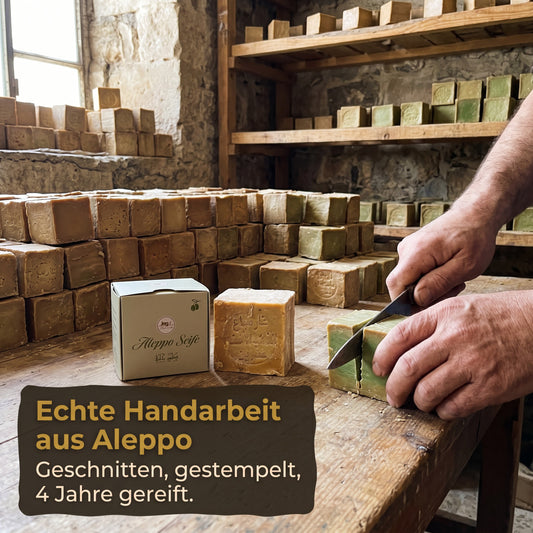
One pure, additive-free bar for body, hair and even the laundry basket — traditionally hand-cut and matured for four years.
Shop Aleppo SoapWashing clothes with Aleppo soap is a small return to a slower, more natural way of caring for the things we wear. One honest bar, a little water and a few simple habits are all it takes to keep your laundry clean and your home a touch greener. That is the spirit of Jegit — pure, natural and made to last. Pour La Vie.