Welche Naturkosmetik bei empfindlicher Haut?
Reactive skin rarely stays quiet for long. One new cream feels fine for two days, then suddenly your cheeks sting, turn red, or feel tight by afternoon. If you are asking welche Naturkosmetik bei empfindlicher Haut the answer is not simply “the more natural, the better.” Sensitive skin usually does best with fewer ingredients, cleaner formulas, and a clear purpose - not with the longest botanical label on the shelf.
That distinction matters because natural skincare can be a very good fit for delicate skin, but only when it is chosen with care. Plant-based does not automatically mean gentle. Essential oils, strong fragrance components, and highly active extracts can still overwhelm a compromised skin barrier. The goal is not to chase trends. It is to support the skin so it feels calm, comfortable, and resilient again.
Welche Naturkosmetik bei empfindlicher Haut really makes sense?
The best natural skincare for sensitive skin is usually simple, low-irritation, and barrier-supportive. Think of products that cleanse without stripping, moisturize without heavy synthetic additives, and avoid unnecessary perfumes, dyes, or aggressive exfoliants. A short ingredient list is often a better sign than a formula packed with dozens of plant extracts.
Sensitive skin tends to react when the skin barrier is weakened. Once that barrier is disrupted, even water, temperature shifts, or a previously tolerated product can start to feel irritating. That is why the most useful natural formulas are not the ones promising instant glow or dramatic resurfacing. They are the ones that reduce friction in your routine.
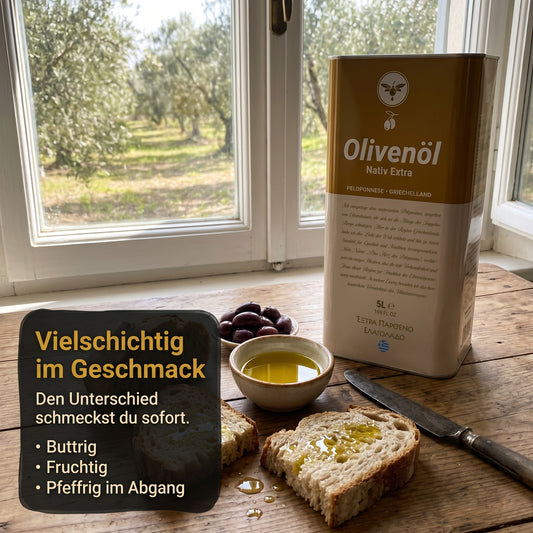
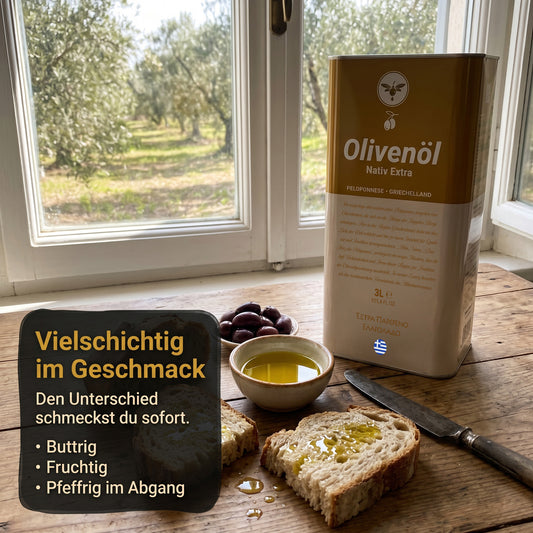
Ingredients rooted in traditional, minimal skincare can be especially helpful here. Olive oil-based cleansing and moisturizing ingredients, for example, are often appreciated because they are nourishing and familiar to the skin. Laurel oil, when used in balanced formulations such as authentic Aleppo soap, may also suit some people well. But even with traditional ingredients, concentration and formulation matter. Sensitive skin is rarely about one miracle ingredient. It is about balance.
What sensitive skin usually needs most
When skin is easily irritated, the first priority is comfort. That means a cleanser that leaves the skin soft rather than squeaky, a moisturizer that seals in hydration, and a routine that does not ask the skin to adapt to something new every few days.
Natural skincare can support this especially well when it focuses on skin-compatible oils, mild surfactants, and a low additive load. Products built around olive-derived ingredients are often a strong match because they can help soften the skin and reduce that dry, tight feeling that makes reactivity worse. This is one reason Mediterranean skincare traditions still feel relevant. They tend to value purity, function, and restraint over excess.
At the same time, sensitive skin may still need different things depending on the cause. Dry-sensitive skin often needs richer nourishment. Oily-sensitive skin may need lighter hydration but still benefits from calm, non-stripping care. Skin that is reacting after over-exfoliation usually needs a full reset, even if the product causing the issue was marketed as clean or natural.
Ingredients to look for in natural skincare
If you want to shop more confidently, it helps to know what tends to support sensitive skin rather than challenge it. Gentle oils such as olive oil can help reduce dryness and improve comfort, especially in cleansers, soaps, and simple moisturizers. Glycerin is another excellent sign because it draws water into the skin without being harsh.
Shea butter can work well for very dry sensitive skin, though some people prefer lighter textures. Oat, calendula, and aloe are also commonly used in calming formulas. They are not guaranteed to suit everyone, but they often appear in products made for easily irritated skin.
Traditional Aleppo soap is worth mentioning with nuance. A well-made bar based on olive oil and laurel oil can be appealing if you want a minimalist, authentic product without unnecessary additives. Many people appreciate how clean and straightforward the formula is. But soap in general can be too drying for some highly reactive faces, especially if the barrier is already damaged. It may be better suited to the body, hands, or a face that tolerates soap well. This is where listening to your own skin matters more than following any rule.
What to avoid, even in “clean” or natural products
The biggest mistake people make is assuming that natural equals non-irritating. Fragrance is still fragrance, whether it comes from synthetic perfume or essential oils. Lavender, citrus, peppermint, eucalyptus, and tea tree may smell fresh and botanical, but sensitive skin often prefers little to no scent at all.
Alcohol-heavy toners can also be a problem, especially if your skin already feels tight or warm after washing. Strong scrubs, fruit acids, and frequent exfoliation may seem tempting when skin looks dull or uneven, but they often make sensitivity worse before they make anything better. If your skin reacts easily, less correction usually works better than more.
Watch out for products that combine too many active botanicals in one formula. A cream with ten plant extracts may sound luxurious, but it also gives your skin ten chances to disagree. For reactive skin, clean and curated beats complicated.
A simple routine for anyone asking welche Naturkosmetik bei empfindlicher Haut
Start with a gentle cleanse, especially at night. You want the skin clean, but not stripped. If your skin feels tight right after washing, that cleanser is probably too aggressive. In the morning, some people with very sensitive skin do better with just lukewarm water or a very mild cleanse.
Follow with a moisturizer that focuses on hydration and barrier support. This is where simple, nourishing formulas shine. If your skin is dry, choose a richer texture. If it is combination or oily but still sensitive, look for a lightweight cream or lotion with minimal fragrance and a restrained ingredient list.
Then stay consistent. A product cannot prove itself in one use, and your skin cannot stabilize if you rotate through five new items in two weeks. Give a gentle routine time. Sensitive skin often rewards patience more than experimentation.
If you want to try a traditional natural product such as a high-quality olive oil soap or authentic Aleppo soap, introduce only one item at a time. Use it for several days before adding anything else. That makes it much easier to tell whether your skin feels calmer, drier, smoother, or more reactive.
How to patch test natural skincare the smart way
Patch testing is especially valuable when your skin tends to flare unexpectedly. Apply a small amount behind the ear, along the jawline, or on the inner arm for a few days before using it fully. This is not a perfect guarantee, but it lowers the chance of a bigger reaction.
Pay attention to delayed signs, not just immediate stinging. Some products feel fine at first and then lead to redness, rough texture, or itchiness after repeated use. Sensitive skin often reacts cumulatively. That is why a calm formula with fewer variables is usually the safest bet.
When “gentle” still is not enough
There are times when skincare alone is not the full answer. If your skin burns frequently, flakes persistently, or reacts to almost everything, you may be dealing with eczema, rosacea, contact dermatitis, or another condition that needs professional guidance. In that case, the right natural skincare can still support your routine, but it should not replace a proper evaluation.
There is also a practical truth many people overlook: your skin may tolerate a product on the body that it would never accept on the face. Hands, legs, and elbows often do well with richer traditional soaps and oils. The face, especially around the nose and cheeks, can be more selective. That is not failure. It is just skin being skin.
For people who value clean ingredients, conscious sourcing, and products with real heritage, this is where curation matters. A smaller selection of handpicked, purposeful formulas will usually serve sensitive skin better than a crowded shelf full of promises. Brands such as Jegit build around that principle - natural essentials, thoughtful ingredients, and fewer unnecessary extras.
If your skin is sensitive, choose products that feel quiet rather than exciting. The best routine is often the one that gives you nothing dramatic to report, except that your skin finally feels like itself again.