Thymianhonig im Alltag verwenden: Ideen und Tipps
A spoonful of thyme honey can change the character of an ordinary morning. It tastes deeper than standard honey, with an herbal edge, a warm Mediterranean aroma, and a sweetness that feels less flat and more layered. If you have been wondering how to use thymianhonig im alltag, the good news is that it does not need to stay reserved for special occasions or cheese boards. It works best when it becomes part of small, repeatable habits.
Thyme honey is one of those pantry essentials that feels both indulgent and practical. For people who care about natural ingredients, origin, and everyday quality, it offers more than sweetness alone. The flavor is distinctive, so a little goes a long way. That makes it especially useful in a conscious kitchen where every ingredient should earn its place.
Why thymianhonig im alltag works so well
Not every honey is easy to use across the day. Some are so mild they disappear in food, while others are so dominant they fit only a narrow range of recipes. Thyme honey sits in a more interesting middle ground. It has enough personality to bring depth to yogurt, toast, tea, or marinades, but it still blends naturally into familiar routines.
Its appeal is also about what it replaces. If you are trying to cut back on overly processed sweeteners, thyme honey can be a more intentional option for sweetening simple meals and drinks. That does not mean using it without limits. It is still a sugar source, and the right amount depends on your overall diet. But for many households, swapping a generic squeeze bottle for a carefully sourced honey is a meaningful upgrade in both taste and ingredient quality.
There is also a sensory reason it fits modern routines. The herbal notes make everyday food feel less repetitive. A plain bowl of Greek yogurt becomes breakfast with character. A simple vinaigrette tastes more balanced. Warm water with lemon feels less predictable. That is the quiet strength of a premium pantry staple - it makes the basics better.
Start with breakfast, where thyme honey shines
Breakfast is the easiest place to begin because thyme honey needs very little help. Spoon it over thick yogurt, oatmeal, chia pudding, or warm toast with butter or tahini. It also pairs especially well with nuts, seeds, and fruit that have some tartness, such as berries, citrus, figs, or green apple.
If your mornings are rushed, keep it simple. A bowl of unsweetened yogurt with a drizzle of thyme honey and a handful of walnuts is balanced, quick, and satisfying. If you prefer something heartier, add it to warm oats with cinnamon and sliced pear. The honey softens the spice and gives the bowl a more rounded finish.
On toast, thyme honey has a more elevated feel than jam but takes the same amount of effort. Try it with ricotta, labneh, or nut butter. The contrast between creamy and herbal-sweet is what makes it work. You do not need many ingredients when the honey itself is high quality.
In drinks, less is usually more
One of the most natural ways to use thymianhonig im alltag is in warm drinks. Stir a small amount into herbal tea, black tea, or warm lemon water. Because thyme honey has a more pronounced flavor than neutral honey, it is better to start modestly and taste as you go.
This is where trade-offs matter. If a drink is very delicate, the herbal note may stand out more than you want. In a strong tea or ginger infusion, that can be an advantage. In a very subtle white tea, it may be too much. It depends on whether you want the honey to disappear or to contribute its own character.
Cold drinks can work too, especially in homemade lemonade or a simple sparkling water mix with citrus. The trick is dissolving it properly. Stir it first with a bit of warm water before adding it to a cold base. That avoids clumps and gives you a more even sweetness.
Use it in cooking, not just as a topping
Many people keep special honey only for finishing. That is a missed opportunity. Thyme honey can play a useful role in savory cooking, especially when you want a cleaner sweet note than brown sugar or syrup.
It works beautifully in salad dressings. Whisk it with olive oil, lemon juice, mustard, and a pinch of sea salt for a vinaigrette that feels fresh but grounded. The honey softens acidity without making the dressing taste sugary. This is particularly good with peppery greens, roasted vegetables, or grain salads.
In marinades, thyme honey adds light caramelization and balance. Use it with olive oil, garlic, and citrus for roasted carrots, squash, or chicken. The key is restraint. Too much can burn quickly or dominate the other ingredients. A teaspoon or two is often enough.
It also has a place on cheese and mezze-style plates. Drizzle a little over feta, goat cheese, or baked halloumi, then add nuts or herbs. The herbal sweetness echoes the savory saltiness in a way that feels very Mediterranean and very easy to serve.
Thymianhonig im Alltag for simple wellness rituals
For many people, honey is not just about recipes. It is also part of slower, more intentional daily habits. A spoonful in warm water after a long day, a touch in herbal tea during colder months, or a small breakfast ritual built around whole ingredients can all make everyday life feel more grounded.
This is where quality matters more than quantity. A hand-selected thyme honey with clean origin and authentic flavor gives you a different experience than a generic supermarket option. You taste the difference, but you also feel more confident about what you are bringing into your routine.
That said, it helps to keep expectations realistic. Thyme honey is not a magic fix. It is best seen as one element in a broader lifestyle centered on natural ingredients, balance, and fewer unnecessary additives. Used that way, it fits beautifully.
Pairing ideas that make thyme honey easier to use often
If you want thyme honey to become a real pantry staple, pair it with foods you already buy. It goes naturally with Greek yogurt, tahini, citrus, nuts, seeded crackers, soft cheese, roasted vegetables, and good olive oil. These pairings matter because they reduce friction. The easier it is to use, the more likely it becomes part of daily life.
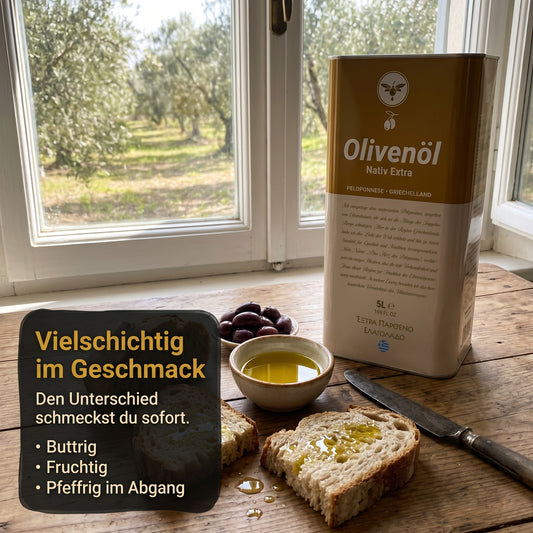
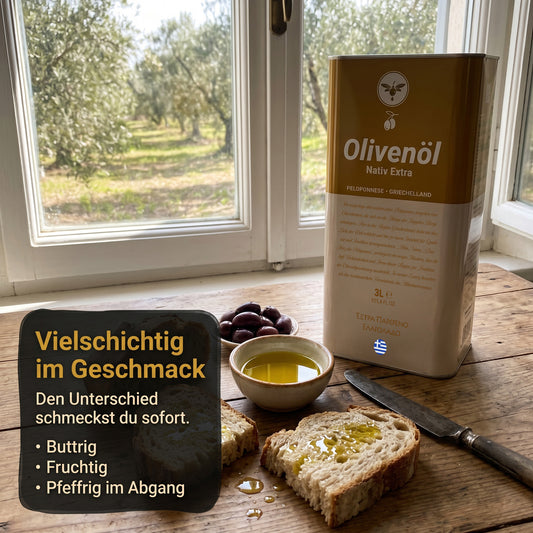
One particularly strong pairing is premium olive oil. A little thyme honey over yogurt or bread with a drizzle of high-quality olive oil creates a sweet-savory balance that feels luxurious but takes under a minute. That kind of low-effort ritual fits the conscious, Mediterranean-inspired approach many modern households want more of.
You can also use it to refresh familiar snacks. Slice apples and add a spoonful of yogurt with thyme honey. Mix it into cottage cheese with cinnamon. Drizzle it over plain pancakes instead of heavily processed syrup. None of these ideas are complicated, but they shift everyday eating toward ingredients with more character and less clutter.
How to store and use it well
Thyme honey does not need complicated handling, but a few habits help. Store it tightly closed at room temperature and away from direct heat or sunlight. If it crystallizes, that is normal. Place the jar in gently warm water and let it loosen slowly. High heat is not ideal if you care about preserving its natural qualities.
When cooking, think of thyme honey as a finishing or balancing ingredient rather than a bulk sweetener. It is too flavorful and too valuable to disappear into recipes that need a large amount of sugar. It performs best where its taste can still be noticed.
If you are new to it, start with one daily use you genuinely enjoy. Maybe it is your yogurt bowl, your afternoon tea, or a dressing you make on repeat. Once that becomes second nature, the rest follows easily.
A good pantry is not packed with more products than you need. It is built around a few reliable essentials that bring quality, flavor, and intention to the way you live. Thyme honey does exactly that. Used thoughtfully, it turns ordinary meals into cleaner, richer, more satisfying routines - one spoonful at a time.