Aleppo Seife richtig anwenden – Die vollständige Anleitung
If your bathroom shelf is full of half-used cleansers, specialty face washes, and body products that promise a lot but leave your skin feeling tight, Aleppo soap can feel like a reset. Knowing how to use Aleppo soap properly makes all the difference - not just for cleansing, but for creating a simpler, cleaner routine built around one traditional bar.
Made with olive oil and laurel oil, true Aleppo soap has earned its reputation the old-fashioned way. It is straightforward, versatile, and deeply rooted in a method that values purity over filler ingredients. That does not mean it works exactly the same for everyone, though. Skin type, hair texture, water hardness, and even how long you leave the lather on can change the experience.
How to use Aleppo soap in your daily routine
Aleppo soap is most often used as a face and body cleanser, but many people also use it for hands, shaving, and even hair. The simplest way to start is to use it once a day and pay attention to how your skin responds.
Wet the bar briefly, work it between your hands or directly onto damp skin, and create a light lather. Massage that lather onto the skin, then rinse thoroughly with lukewarm water. You do not need an aggressive foam for it to cleanse well. In fact, one of the strengths of Aleppo soap is that it cleans without the overly stripped feeling many synthetic cleansers leave behind.
If your skin is on the dry or sensitive side, keep contact time short at first. Cleanse, rinse, and follow with a simple moisturizer or facial oil if needed. If your skin tends to be oily, you may prefer leaving the lather on for a few extra seconds before rinsing. The goal is not to force a result, but to find the balance where your skin feels clean, calm, and comfortable.
Using Aleppo soap on the face
For facial cleansing, less is usually more. Rub the bar into wet hands, then apply the lather rather than rubbing the bar directly over the face. This gives you more control and is gentler, especially if your skin is reactive or prone to redness.
Massage gently in circular motions, avoiding the eye area, then rinse well. If you wear makeup or sunscreen, you may need a double cleanse in the evening. Aleppo soap can handle daily buildup well, but heavier makeup sometimes calls for an oil-based first step before you wash.
The proportion of laurel oil matters here. Bars with a lower percentage often feel milder and are a safer starting point for dry or easily irritated skin. Higher laurel oil content may suit combination or oilier skin better, but that is not a fixed rule. Some people love the purifying feel, while others find it too strong for twice-daily facial use.
What to expect in the first few uses
If you are switching from creamy cleansers or products with silicones and fragrance, your skin may need a short adjustment period. That does not mean Aleppo soap is not working. It may simply feel different - cleaner, more direct, less coated.
A healthy adjustment should not feel harsh. Slightly different texture or a more matte finish can be normal at first. Stinging, persistent tightness, or flaky irritation are signs to reduce frequency, choose a milder bar, or keep Aleppo soap for body use instead of the face.
How to use Aleppo soap on the body
For body cleansing, Aleppo soap is refreshingly uncomplicated. Apply it to damp skin with your hands, a washcloth, or a soft sponge, then rinse thoroughly. Many people use it in place of conventional shower gel because it contains fewer unnecessary additives and fits a more conscious routine.
It works especially well for areas that need regular but gentle cleansing, such as the chest, back, underarms, and legs. If you have dry skin on the body, avoid very hot water and do not over-cleanse. Once-daily use is enough for most people.
On rougher areas like elbows, knees, or feet, you can let the lather sit briefly before rinsing. The bar itself can also be practical for travel, gym bags, or minimalist households because it replaces multiple bottles with one reliable essential.
Can you use Aleppo soap for hair?
Yes, but this is where expectations need to be realistic. Aleppo soap can be used as a shampoo bar alternative, especially by people who prefer simple ingredient lists and a more natural scalp-care approach. Wet the hair thoroughly, lather the soap in your hands or glide it lightly over the scalp, then massage and rinse well.
For some hair types, especially short hair, oily scalps, or hair that is not color-treated, this works surprisingly well. For long, dry, curly, bleached, or highly processed hair, the result can vary. Hair may feel clean but slightly grippy, especially in areas with hard water.
That does not make Aleppo soap a poor option. It just means it is more likely to work as a scalp cleanser than as a one-step solution for every hair texture. Some people continue with a diluted acidic rinse, while others decide they prefer Aleppo soap for skin only. Both are reasonable.
Aleppo soap for shaving
Aleppo soap can also be a good choice for shaving because it creates a light, slick lather and supports a clean routine with fewer synthetic ingredients. Work up a foam with your hands or a shaving brush, apply to damp skin, and shave gently.
It tends to work best for quick maintenance shaving on legs, underarms, or the face if your skin is not highly reactive. If you are prone to razor burn, test carefully. A dedicated shaving product may create more cushion, but many people prefer the simplicity of one bar that serves more than one purpose.
How often should you use Aleppo soap?
This depends on your skin and where you use it. Once daily is a smart starting point for the face. For the body, daily use is usually fine. For hands, use it as needed, especially if you want a cleaner alternative to heavily fragranced liquid soaps.
Twice-daily facial cleansing can work for oily skin, humid climates, or post-workout routines, but sensitive skin often does better with a lighter approach. A traditional soap can be wonderfully effective, but more is not automatically better.
Choosing the right Aleppo soap
Not every bar suits every need. The core formula is simple, but the ratio of olive oil to laurel oil changes the character of the soap. Olive oil is known for its nourishing, skin-friendly feel. Laurel oil is often chosen for its clarifying and purifying qualities.
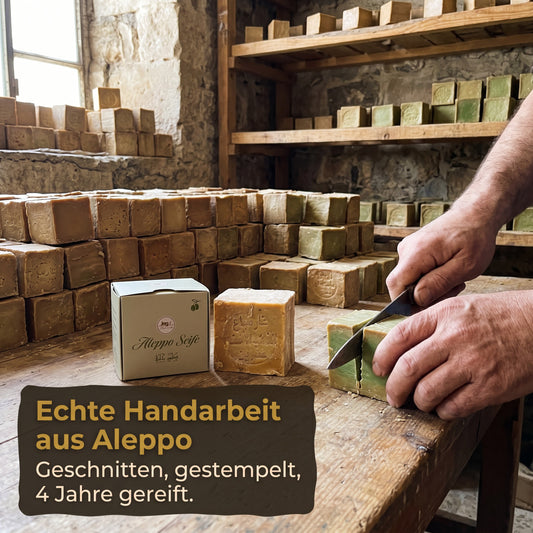
If you are new to Aleppo soap, start with a milder balance and see how your skin reacts over a week or two. If you want a deeper-cleansing feel for oilier skin or areas like the back and chest, a higher laurel content may be a better fit. Authenticity matters too. A well-made bar should feel dense, cure well, and reflect traditional craftsmanship rather than flashy marketing.
At Jegit, that standard matters because people looking for real Aleppo soap are rarely looking for a trend. They want a trustworthy product with a clear origin, clean ingredients, and everyday usefulness.
Common mistakes when learning how to use Aleppo soap
The biggest mistake is using too much, too soon. When a product is natural and simple, people sometimes assume they can use it everywhere, twice a day, with no adjustment period. But skin still has preferences.
Another common issue is storage. Aleppo soap should be kept dry between uses on a well-draining soap dish. If it sits in water, the bar softens quickly and does not last as long. Proper storage protects both the texture and the value of the soap.
It also helps to avoid layering too many active products right after cleansing, especially on the face. If you use exfoliating acids, retinoids, or strong acne treatments, introduce Aleppo soap thoughtfully. A cleaner routine often works best when it is actually simpler, not just more natural on paper.
Is Aleppo soap right for everyone?
Not always, and that honesty matters. If your skin barrier is very compromised, if you have a diagnosed skin condition, or if you know you react poorly to soap-based cleansers, you may need a different approach. Aleppo soap is traditional and effective, but traditional does not mean universally perfect.
For many people, though, it offers something rare in modern personal care - a product with real heritage, a short ingredient list, and enough versatility to replace several cluttered bottles. Used correctly, it can bring your routine back to what many skin-conscious households actually want: clean, gentle, and uncomplicated.
The best way to use Aleppo soap is to let it earn its place slowly. Start simple, notice how your skin responds, and build a routine that feels lighter, cleaner, and easier to trust.