Aleppo Seife richtig anwenden: so geht’s
A bar of Aleppo soap can replace half the clutter around your sink - but only if you use it in a way that matches your skin, your hair, and your water. That is exactly where many people go wrong. If you have been wondering how to aleppo seife richtig anwenden in daily life, the answer is not complicated, but it is more specific than “just wash with it.” Traditional soap made with olive oil and laurel oil behaves differently from synthetic cleansers, and that difference is what makes it so appealing for a cleaner, more conscious routine.
Why Aleppo soap feels different from modern cleansers
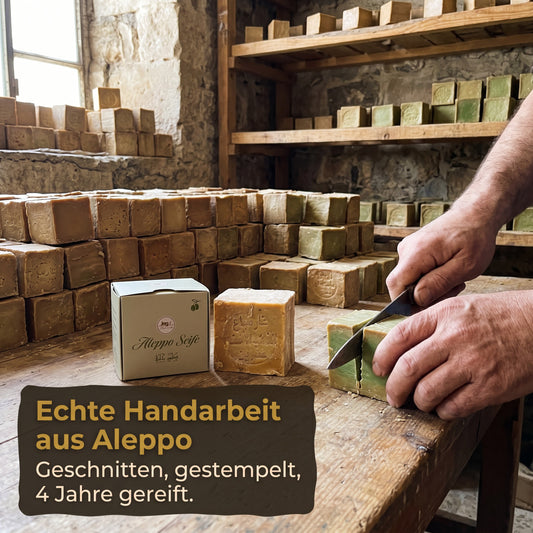
Aleppo soap is rooted in a very simple idea: fewer ingredients, more purpose. A real bar is traditionally made from olive oil, laurel oil, water, and lye, then cured over time. That long, traditional process matters because it creates a hard, long-lasting bar with a clean ingredient profile and a character that feels noticeably different from mass-market body washes.
On the skin, Aleppo soap usually leaves a very clean, almost bare finish. Some people love that immediate sense of purity. Others expect the silky slip of synthetic cleansers and are surprised by the difference. Neither reaction is wrong. It simply means natural soap works in its own way.
Olive oil is valued for its mild, nourishing character, while laurel oil is often appreciated in face and body care for its clarifying feel. The exact balance between the two affects the experience. A lower laurel oil content is generally milder and often a better match for dry or sensitive skin, while a higher percentage can feel more cleansing and may suit oilier skin types better.
Aleppo Seife richtig anwenden on the face
Facial skin is where technique matters most. The best approach is gentle, brief cleansing rather than letting the soap sit on the skin too long. Wet your face with lukewarm water first. Then lather the soap in your hands instead of rubbing the bar directly on your face. Massage the foam lightly over the skin and rinse thoroughly.
For many people, once a day is enough, especially if their skin tends to feel tight after washing. At night, Aleppo soap can be a simple way to remove the day’s buildup. In the morning, some skin types may do better with just water or a shorter cleanse. If your skin feels clean but not strained, that is usually a good sign that you have found the right rhythm.
After cleansing, it helps to apply a simple moisturizer while the skin is still slightly damp. This is especially useful if you are switching from conventional face wash to a traditional soap bar. The soap itself is minimalist, but your routine does not have to stop there. Supporting the skin barrier with a clean, uncomplicated moisturizer often makes the difference between “too drying” and “just right.”
If you wear heavy makeup or mineral sunscreen, a double-cleanse approach may work better. Use an oil-based remover first, then follow with Aleppo soap. That keeps you from over-washing in an attempt to get everything off in one step.
How to use Aleppo soap on the body
For the body, Aleppo soap is refreshingly simple. Wet the skin, create lather with your hands, a washcloth, or a soft natural sponge, then cleanse and rinse. Used this way, it can replace conventional shower gel without filling your bathroom with unnecessary fragrance, dyes, or synthetic foaming agents.
Still, “natural” does not automatically mean “more is better.” If your skin is dry, hot showers and heavy scrubbing can make even a high-quality soap feel too intense. In that case, keep the water warm instead of hot, focus the soap on areas that truly need cleansing, and use body oil or lotion afterward. This matters even more in winter, in dry indoor air, or if you already know your skin barrier is easily disturbed.
If your skin tends to be oily or you simply prefer a very clean feel, daily use on the body is often well tolerated. If your skin is sensitive, every other day may feel better, with plain water rinses in between. There is no prize for using more product. The right routine is the one that keeps your skin balanced.
Aleppo soap for hair: useful, but not for everyone
Yes, Aleppo soap can be used as a shampoo bar alternative. But hair is also where expectations need the most adjustment. Soap-based cleansing reacts differently depending on your scalp type, hair texture, length, and especially your water hardness.
To wash your hair, wet it thoroughly, lather the bar in your hands or directly at the roots, and massage the foam into the scalp. Focus on cleansing the scalp rather than coating the lengths. Then rinse very well. If your hair feels heavy, waxy, or dull afterward, the issue is often not the soap itself but mineral buildup from hard water.
Some people do very well with Aleppo soap on short hair or on a balanced, not overly dry scalp. Others find it works only occasionally as a clarifying wash. Very long, color-treated, curly, or highly porous hair can be more demanding. In those cases, the hair may need an acidic rinse afterward or may simply respond better to a different kind of cleanser.
That does not make Aleppo soap a poor choice. It just means this is one area where tradition meets modern reality. If you want to try it for hair, start once a week rather than replacing your entire routine overnight.
Can you use Aleppo soap for shaving?
You can, and many people like it for that purpose. Build a creamy lather in your hands or with a shaving brush, apply it to damp skin, and shave with light pressure. Because the formula is so stripped back, it appeals to people who want fewer additives in their grooming routine.
The trade-off is glide. Some bars create a rich enough lather for a comfortable shave, while others may feel less cushiony than a dedicated shaving cream. If your skin is easily irritated, test carefully and always follow with a soothing moisturizer or a simple oil.
What to expect when you switch
When moving from conventional cleanser to Aleppo soap, there can be a short adjustment period. Skin may feel more “squeaky clean” at first, and hair may need time if you use the bar on your scalp. This does not automatically mean the soap is wrong for you. It may simply mean your skin or hair is adapting to a formula without silicone films, synthetic surfactants, and heavy fragrance.
That said, not every product suits every person. If your face becomes persistently tight, flaky, or reactive, reduce frequency or choose a bar with lower laurel oil content. If your scalp feels uncomfortable or your hair never settles, Aleppo soap may be better reserved for body care.
Common mistakes when using Aleppo soap
The biggest mistake is overuse. Because the ingredient list looks so pure, some people use the soap more often, leave it on longer, or scrub more aggressively than necessary. Simple cleansing works best.
Another common issue is poor storage. A high-quality bar lasts much longer if it can dry fully between uses. Keep it on a well-draining soap dish and away from standing water. That preserves the bar, keeps it cleaner, and makes the experience better day after day.
It also helps to choose the right bar for your needs. Not every Aleppo soap is identical. Laurel oil percentage, curing time, and overall quality all shape the result. A thoughtfully made, traditional bar tends to feel more consistent and more satisfying than generic versions made to imitate the original.
Aleppo Seife richtig anwenden for a simpler routine
If your goal is a cleaner bathroom shelf and fewer unnecessary ingredients, Aleppo soap can be a strong fit. It works best when you stop expecting it to behave like a synthetic all-in-one cleanser and start using it with a little intention. On the face, less is often more. On the body, it can be a beautifully simple daily staple. On the hair, it depends on your scalp, your strands, and your water.
That is also what makes it appealing for a conscious lifestyle. A well-made bar is not trying to do everything through marketing language. It offers a traditional, ingredient-conscious form of cleansing that many modern routines have moved away from. For people who care about purity, origin, and practical function, that is not a compromise. It is often the point.
If you are building a more natural routine, start small, pay attention to how your skin responds, and let the product earn its place. The best care is not the most complicated - it is the one you trust enough to keep using.