Ratgeber Clean Beauty: Inhaltsstoffe erklärt
Man greift zu einem Reiniger, der als natürlich, rein und hautfreundlich angepriesen wird. Dann dreht man die Flasche um und sieht eine Wand aus unbekannten Namen. Genau deshalb ist ein Ratgeber zu Clean Beauty Inhaltsstoffen wichtig – nicht als Trendstück, sondern als praktischer Weg, um bessere Produkte mit mehr Vertrauen zu kaufen.
Clean Beauty wird oft wie ein Versprechen behandelt. Manchmal verdient sie dieses Vertrauen, und manchmal stützt sie sich auf Verpackungen, Farbpaletten und sanfte Sprache. Der eigentliche Unterschied liegt in der Formulierung. Wenn Sie Hautpflege wünschen, die zu einem bewussteren Lebensstil passt, verdient die Inhaltsstoffliste mehr Aufmerksamkeit als das Vorderetikett.
Was Clean Beauty Inhaltsstoffe wirklich bedeuten
Clean Beauty hat keine universelle rechtliche Definition. Hier beginnt die Verwirrung. Für einige Marken bedeutet es, eine kurze Liste umstrittener Inhaltsstoffe zu vermeiden. Für andere bedeutet es, weniger synthetische Zusätze, einfachere Formulierungen oder natürlich gewonnene Rohstoffe mit einem klaren Zweck zu verwenden.
Für die meisten informierten Käufer reduzieren sich Clean Beauty Inhaltsstoffe auf drei Dinge: Transparenz, Notwendigkeit und Verträglichkeit. Transparenz bedeutet, dass man verstehen kann, was drin ist und warum. Notwendigkeit bedeutet, dass jeder Inhaltsstoff eine funktionale Rolle hat, anstatt die Formulierung aufzublähen. Verträglichkeit bedeutet, dass das Produkt die Haut ohne unnötige Irritationen unterstützt.
Das bedeutet nicht, dass jeder synthetische Inhaltsstoff schlecht ist oder jeder pflanzliche Inhaltsstoff automatisch sanft. Es hängt von der Konzentration, dem Hauttyp, der Formulierungsqualität und der Art der Anwendung ab. Ein durchdachter Clean Beauty Ansatz geht weniger um Angst als vielmehr darum, Formulierungen zu wählen, die bewusst, ausgewogen und vertrauenswürdiger sind.
Ein praktischer Ratgeber Clean Beauty Inhaltsstoffe
Wenn Sie Etiketten lesen möchten, ohne jedes Produkt zu zerdenken, beginnen Sie mit der Inhaltsstoffliste in Schichten. Die ersten paar Inhaltsstoffe machen normalerweise den Großteil der Formulierung aus. Wenn diese mit dem Zweck des Produkts übereinstimmen, ist das ein gutes Zeichen. In einem Reiniger wünschen Sie sich milde Reinigungsmittel und unterstützende Feuchthaltemittel. In einem Gesichtsöl oder Balsam wünschen Sie sich erkennbare Pflanzenöle, Wachse oder Buttern, die zum versprochenen Hautnutzen passen.
Die zweite Schicht ist das Unterstützungssystem. Hier sehen Sie möglicherweise Stabilisatoren, Konservierungsmittel, pH-Regulatoren und Texturgeber. Dies sind nicht automatisch rote Flaggen. In vielen Fällen sind sie notwendig, um ein Produkt sicher und haltbar zu halten. Eine Creme ohne ein ordnungsgemäßes Konservierungssystem kann problematischer sein als eine, die ein gut gewähltes, reizarmes Konservierungsmittel verwendet.
Die dritte Schicht ist der zusätzliche Lärm. Stark parfümierte Formulierungen, Farbstoffe ohne Hautnutzen und lange Listen von Füllstoffen können ein Produkt in der Praxis weniger „sauber“ erscheinen lassen, selbst wenn das Marketing etwas anderes sagt. Wenn die Liste überladen aussieht, stellen Sie eine einfache Frage: Enthält dieses Produkt das, was meine Haut braucht, oder versucht es, mich zu beeindrucken?
Inhaltsstoffe, die viele Käufer bevorzugen zu begrenzen
Ein nützlicher Ratgeber zu Clean Beauty Inhaltsstoffen sollte ehrlich über Nuancen sein. Es gibt keine einzige schwarze Liste, die für jeden funktioniert. Dennoch entscheiden sich viele inhaltsstoffbewusste Käufer dafür, bestimmte Kategorien aufgrund von Empfindlichkeitsbedenken, Überbeanspruchung oder der Präferenz für eine einfachere Pflege zu begrenzen.
Synthetischer Duftstoff ist eines der häufigsten Beispiele. Duftstoffe können ein Produkt angenehm in der Anwendung machen, sind aber auch ein häufiger Auslöser für reaktive Haut. Ätherische Öle können in die gleiche Kategorie fallen. Sie klingen natürlich, doch einige sind hochaktiv und können reizend sein, besonders in Leave-on-Produkten.
Aggressive Sulfate sind eine weitere Gruppe, die Menschen oft in der Gesichts- und Körperpflege vermeiden, insbesondere wenn sie trockene oder geschädigte Haut haben. Starke Tenside können Öl zu aggressiv entfernen und die Haut eher straff als sauber fühlen lassen. In gleicher Weise können Formulierungen mit hohem Alkoholgehalt schlecht für empfindliche Haut sein, obwohl nicht jeder Alkohol problematisch ist. Fettalkohole zum Beispiel verhalten sich ganz anders als austrocknende.
Das Ziel ist nicht Angst. Es ist Bewusstsein. Wenn Sie ein Muster erkennen, dass bestimmte Inhaltsstoffe Reaktionen auslösen, ist dieses Wissen wertvoll. Wenn Sie einen Reiniger finden, der Ihre Haut konstant gut anfühlen lässt, lohnt es sich, die Inhaltsstoffliste zu merken – nicht als Vorlage für alle, sondern als persönliche Referenz.
Was Clean Ingredients tatsächlich leisten können
Ein realistischer Clean Beauty Ansatz geht nicht um Perfektion. Es geht darum, Produkte zu wählen, die leichter zu verstehen sind, weniger wahrscheinlich Probleme verursachen und von Unternehmen hergestellt werden, die offen über das, was drin ist und warum, kommunizieren.
Dazu gehören natürlich gewonnene, funktional wertvolle Rohstoffe: Pflanzenöle, die nähren statt nur aufzufüllen, milde Reinigungsmittel, die die Haut sauber statt geschädigt hinterlassen, einfache Formulierungen, bei denen jeder Inhaltsstoff einem Zweck dient.
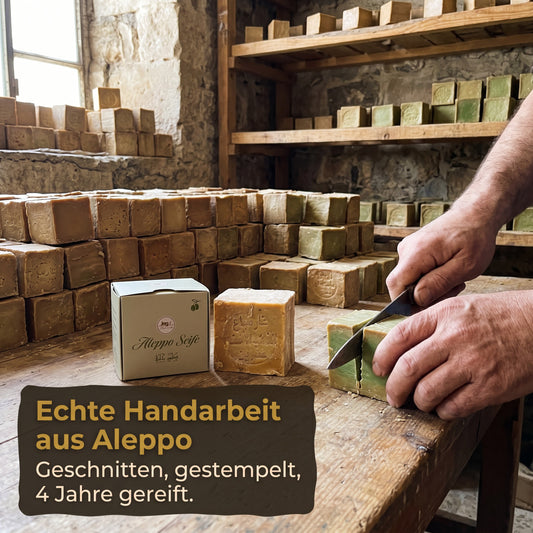
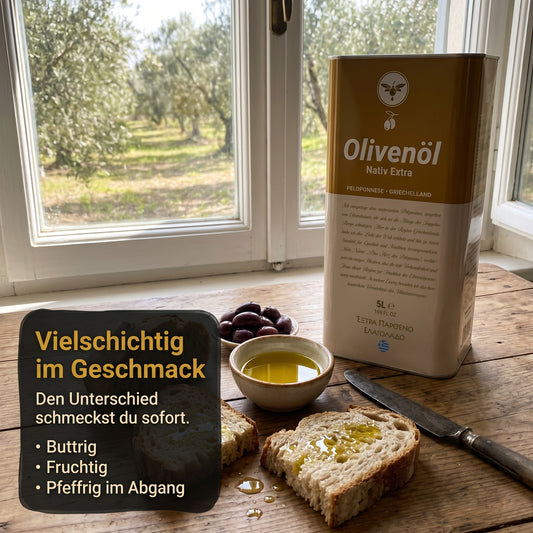
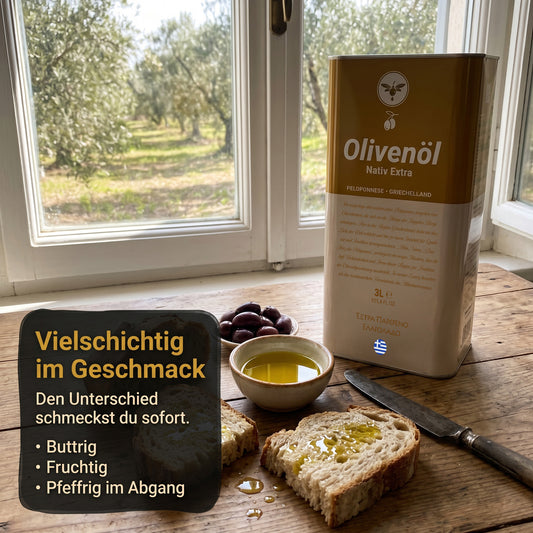
Für eine Marke wie Jegit zeigt sich diese Philosophie in der Produktauswahl selbst. Naturprodukte wie Aleppo-Seife und kaltgepresstes Olivenöl sind von Natur aus transparent: wenige Inhaltsstoffe, klare Herkunft, keine künstlichen Zusätze. Diese Art von Klarheit ist nicht nur ein Marketingmerkmal. Sie ist der Kern dessen, was bewusste Hautpflege tatsächlich bedeutet.
Wie es weitergeht
Wenn Sie beginnen möchten, Etiketten bewusster zu lesen, halten Sie es zunächst einfach. Konzentrieren Sie sich auf die ersten fünf bis acht Inhaltsstoffe. Achten Sie auf erkennbare Pflanzenöle, milde Reinigungsmittel und eine Beschreibung, die zur tatsächlichen Formulierung passt. Wenn ein Produkt behauptet, beruhigend zu sein, sollten die wichtigsten Inhaltsstoffe beruhigend sein – und nicht eine lange Liste, die am Ende mit einem einzigen Kamillenextrakt abschließt.
Mit der Zeit werden Sie ein Gefühl dafür entwickeln, welche Inhaltsstoffe für Ihre Haut funktionieren und welche nicht. Dieses Wissen ist nützlicher als jede schwarze Liste, denn es basiert auf Ihrer eigenen Erfahrung und nicht auf allgemeiner Angst.
Clean Beauty ist kein absoluter Standard. Es ist eine Denkweise: neugierig, ehrlich und mehr daran interessiert, was tatsächlich funktioniert, als daran, was auf dem Etikett am besten klingt.