Ist Alepposeife gut bei Akne?
Wenn Ihre Haut jedes Mal rebelliert, wenn Sie Ihre Routine vereinfachen, ist die Frage berechtigt: Ist Alepposeife gut bei Akne, oder ist sie nur ein weiteres Naturprodukt mit einer tollen Geschichte? Die ehrliche Antwort ist, dass sie für einige Akne-anfällige Haut sehr gut geeignet sein kann, besonders wenn Sie weniger Inhaltsstoffe und einen Reiniger ohne synthetische Duftstoffe wünschen, aber die Ergebnisse hängen von Ihrem Hauttyp, der Zusammensetzung der Seife und der Häufigkeit der Anwendung ab.
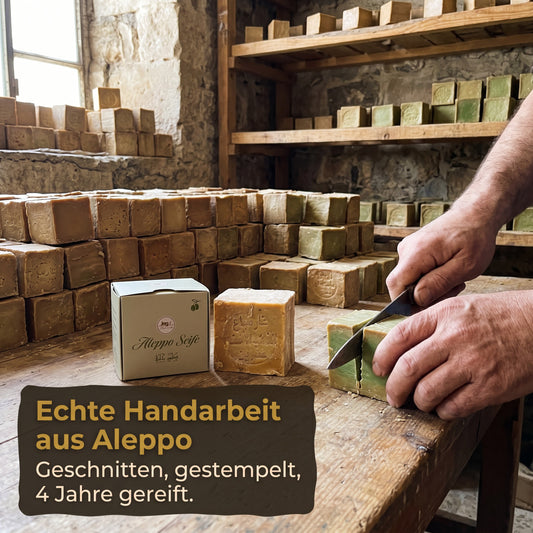
Alepposeife hat sich eine treue Anhängerschaft erworben, weil sie ungewöhnlich einfach ist. Traditionelle Versionen werden aus Olivenöl, Lorbeeröl, Wasser und Lauge hergestellt und dann über einen längeren Zeitraum ausgehärtet. Das ist wichtig für Menschen, die unnötige Zusatzstoffe in ihrer Hautpflege reduzieren möchten. Es ist auch wichtig für Akne-anfällige Haut, die oft nicht nur auf Öl und Schweiß, sondern auch auf aggressive Reinigungsmittel, starke Duftstoffe und überladene Formeln schlecht reagiert.
Ist Alepposeife gut für Akne-anfällige Haut?
Für viele Menschen, ja – aber nicht auf die gleiche Weise wie ein medizinisches Akne-Reinigungsmittel. Alepposeife ist keine medikamentöse Behandlung für Akne. Sie ersetzt keine Inhaltsstoffe wie Benzoylperoxid, Salicylsäure oder verschreibungspflichtige Therapien, wenn Ausbrüche anhaltend, entzündlich oder hormonell bedingt sind. Was sie tun kann, ist eine sauberere, sanftere Basisroutine zu unterstützen.
Diese Unterstützung kommt in der Regel von zwei Dingen. Erstens reinigt traditionelle Alepposeife ohne die lange Liste von Zusatzstoffen, die in vielen herkömmlichen Gesichtsreinigern zu finden sind. Zweitens wird Lorbeeröl für seine reinigende Wirkung geschätzt, während Olivenöl dazu beiträgt, die Formel hautfreundlicher zu machen als viele austrocknende Seifen. Für Haut, die zu Ausbrüchen neigt und auch empfindlich reagiert, kann diese Balance ansprechend sein.
Dennoch gibt es einen Kompromiss. Alepposeife ist immer noch Seife, was bedeutet, dass sie alkalisch ist. Manche Akne-anfällige Haut verträgt das gut. Manche nicht. Wenn Ihre Hautbarriere bereits geschwächt ist oder Ihre Haut nach dem Waschen spannt und rot wird, kann selbst eine hochwertige traditionelle Seife bei zu häufiger Anwendung zu stark wirken.
Warum Alepposeife bei Ausbrüchen helfen kann
Akne wird selten durch ein einziges Problem verursacht. Überschüssiges Öl, verstopfte Poren, Entzündungen, Bakterien, Reibung, Stress und Hormone können alle eine Rolle spielen. Ein Reiniger wird nicht all das lösen, aber er kann einige häufige Auslöser reduzieren.
Traditionelle Alepposeife kann helfen, tägliche Ablagerungen wie Sonnencreme, Schweiß, überschüssigen Talg und städtischen Schmutz zu entfernen, die auf der Haut sitzen und zur Verstopfung beitragen. Bei Menschen mit fettiger Haut kann dies den Teint klarer und leichter machen, ohne auf aggressive Tenside angewiesen zu sein.
Lorbeeröl ist ein Grund, warum Alepposeife oft für zu Unreinheiten neigende Haut diskutiert wird. Es wird traditionell in Reinigungsstücken für Haut verwendet, die ein reineres, frischeres Gefühl benötigt. Viele Anwender finden, dass Seifenstücke mit einem moderaten Anteil an Lorbeeröl die Haut gründlich gereinigt hinterlassen, was nützlich sein kann, wenn Ihre Ausbrüche mit überschüssigem Öl zusammenhängen.
Olivenöl spielt eine andere Rolle. In einem richtig hergestellten Seifenstück trägt es zu einer pflegenderen Reinigung bei. Das bedeutet nicht, dass sich die Seife cremig wie ein Balsamreiniger anfühlt, aber sie kann sich weniger aggressiv anfühlen als herkömmliche Seifen, die auf maximale Entfettung ausgelegt sind. Für Akne-anfällige Erwachsene, insbesondere solche, die nicht mehr mit Talg auf Teenager-Niveau zu kämpfen haben, aber immer noch Ausbrüche bekommen, kann diese sanftere Balance ein echter Vorteil sein.
Wann Alepposeife möglicherweise nicht die beste Wahl ist
Natürlich bedeutet nicht automatisch für jedes Gesicht geeignet. Wenn Ihre Haut sehr trocken, hochsensibel oder zu ekzemartigen Reizungen neigt, kann Alepposeife für die tägliche Gesichtsanwendung zu reinigend sein, besonders in Klimazonen mit geringerer Luftfeuchtigkeit oder im Winter.
Sie kann auch eine schlechte Wahl sein, wenn Sie bereits starke aktive Inhaltsstoffe verwenden. Wenn Ihre Routine Retinoide, Peeling-Säuren, Benzoylperoxid oder Akne-Verschreibungen enthält, kann das Hinzufügen einer alkalischen Seife Ihre Haut zu Spannungsgefühlen, Schuppenbildung oder Brennen treiben. In diesem Fall ist das Problem nicht, dass Alepposeife schlecht ist. Es ist, dass Ihre gesamte Routine zu viel wird.
Es gibt auch das Problem der Erwartungen. Wenn Ihre Akne zystisch, schmerzhaft, hormonell bedingt ist oder Narben hinterlässt, wird ein traditionelles Reinigungsstück allein nicht ausreichen. Sie bevorzugen vielleicht immer noch einen sauberen, minimalistischen Reiniger, aber Sie sollten ihn als einen Teil der Routine betrachten, nicht als die gesamte Lösung.
Die richtige Alepposeife für Akne wählen
Nicht jedes Stück ist gleich. Der Prozentsatz des Lorbeeröls verändert das Gefühl der Seife auf der Haut. Niedrigere Prozentsätze sind oft milder und olivenlastiger. Höhere Prozentsätze sind in der Regel reinigender und können intensiver wirken.
Für Akne-anfällige Gesichtshaut ist ein moderater Lorbeeranteil oft der praktischste Ausgangspunkt. Er bietet die reinigende, klärende Wirkung, die Menschen suchen, ohne direkt zur stärksten Version zu springen. Wenn Ihre Haut fettig und widerstandsfähig ist, bevorzugen Sie möglicherweise einen höheren Lorbeeranteil. Wenn Ihre Haut Mischhaut ist oder leicht austrocknet, ist ein sanfteres Stück oft die sicherere Wahl.
Auch die Qualität zählt. Eine traditionell hergestellte, gut ausgehärtete Alepposeife fühlt sich tendenziell raffinierter an als eine überstürzte Nachahmung. Wenn ein Seifenstück als rein, handgemacht und frei von unnötigen Zusatzstoffen beworben wird, sollte dies mehr als nur ein Etikett sein. Die Einfachheit der Inhaltsstoffe und die traditionelle Aushärtung sind ein Teil dessen, was das Produkt überhaupt erst attraktiv macht.
Für Käufer, die Wert auf Herkunft, klare Inhaltsstoffe und eine bewusstere Hautpflegeroutine legen, macht hier ein sorgfältig ausgewähltes Produkt einen Unterschied. Marken wie Jegit sprechen diese Denkweise an, weil sie traditionelle mediterrane Essentials als funktional, nicht als dekorativ betrachten.
Wie man Alepposeife bei Akne anwendet
Der größte Fehler ist, zu viel, zu schnell zu verwenden. Wenn Sie Alepposeife zum ersten Mal im Gesicht ausprobieren, beginnen Sie einmal täglich, vorzugsweise abends. Schäumen Sie die Seife in Ihren Händen auf, anstatt sie direkt auf das Gesicht zu reiben, massieren Sie dann den Schaum sanft auf die feuchte Haut und spülen Sie gründlich mit lauwarmem Wasser ab.
Achten Sie nach der Reinigung darauf, wie sich Ihre Haut 20 bis 30 Minuten später anfühlt. Sauber ist gut. Spannend, quietschend und unangenehm ist es nicht. Wenn sich Ihre Haut ausgetrocknet anfühlt, reduzieren Sie die Anwendung auf ein paar Mal pro Woche oder reservieren Sie die Seife für den Körper, die Brust, die Schultern oder den Rücken, wo Akne oft von einer gründlicheren Reinigung profitiert.
Anschließend eine einfache Feuchtigkeitscreme verwenden. Dieser Schritt wird oft übersprungen, wenn die Haut fettig ist, aber Akne-anfällige Haut braucht dennoch Unterstützung für die Hautbarriere. Tatsächlich kompensiert zu trockene Haut oft mit erhöhter Ölproduktion oder wird insgesamt reaktiver.
Wenn Sie eine starke Sonnencreme oder Make-up tragen, benötigen Sie möglicherweise auch eine erste Reinigung vor der Alepposeife. Andernfalls kann die Seife doppelte Arbeit leisten und sich rauer anfühlen als beabsichtigt.
Gesichtsakne versus Körperakne
Ein Grund, warum Alepposeife so gute Bewertungen erhält, ist, dass sie oft besonders gut bei Körperakne wirkt. Die Haut am Rücken, an der Brust und an den Schultern ist in der Regel weniger empfindlich als die im Gesicht und verträgt ein traditionelleres Seifenformat besser.
Wenn also Gesichtsakne mit Empfindlichkeit einhergeht, Sie aber auch mit Verstopfungen nach dem Training oder Sommerakne am Körper zu kämpfen haben, kann Alepposeife hervorragend für den Körper geeignet sein, auch wenn Sie sich entscheiden, sie nicht täglich auf Wangen oder um die Augen zu verwenden. Das ist immer noch ein Gewinn, und zwar ein realistischer.
Was Sie nach der Umstellung erwarten können
Beurteilen Sie es nicht nach einmaligem Waschen. Die Haut braucht oft eine kurze Anpassungsphase, wenn Sie von herkömmlichen Reinigungsmitteln, insbesondere stark parfümierten oder schaumverstärkten Formeln, umsteigen. Achten Sie in den ersten Wochen eher auf ein Muster als auf einen perfekten Morgen.
Ein gutes Ergebnis sieht in der Regel so aus, dass sich die Haut sauberer anfühlt, mittags weniger fettig ist und insgesamt etwas ruhiger wirkt. Ein schlechtes Ergebnis äußert sich in anhaltender Straffheit, stärkerer Rötung, neuen Irritationen oder Ausbrüchen, die eher mit Barrierestress als mit verstopften Poren zusammenhängen.
Dieser Unterschied ist wichtig, denn Akne und Irritationen können aus der Ferne ähnlich aussehen, erfordern aber unterschiedliche Lösungen. Wenn Ihre Haut rau, schuppig und gleichzeitig glänzend wird, könnte sie übermäßig gereinigt und nicht verbessert worden sein.
Ist Alepposeife also gut bei Akne? Das kann sie sein – insbesondere für fettige, Mischhaut oder zu Körperakne neigende Haut, die gut auf eine einfache, zusatzstofffreie Reinigung anspricht. Die besten Ergebnisse erzielen Sie jedoch, wenn Sie sie als eine bewusste Wahl betrachten, nicht als ein Wundermittel. Beginnen Sie sanft, wählen Sie den richtigen Lorbeeranteil, und lassen Sie Ihre Haut Ihnen sagen, ob Tradition und Einfachheit genau das sind, was ihr gefehlt hat.